Self-Portrait in Rome by Horace Vernet
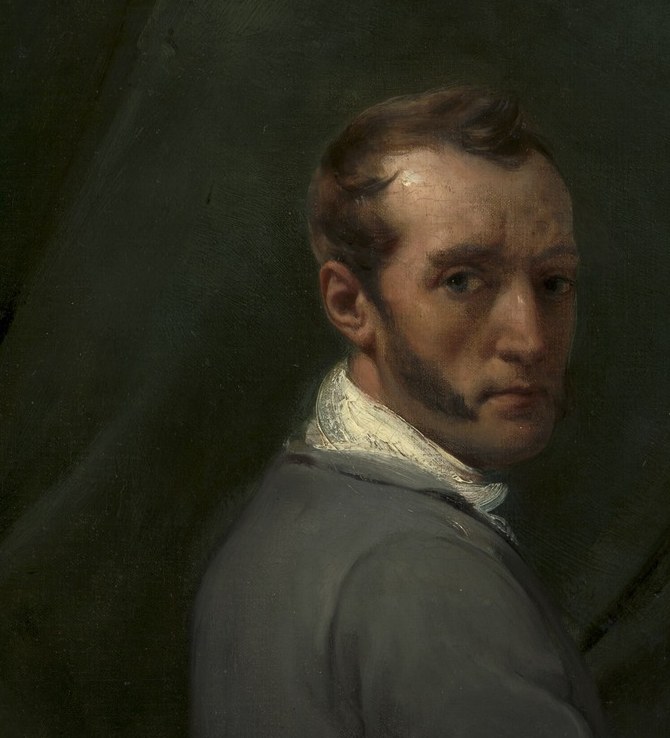
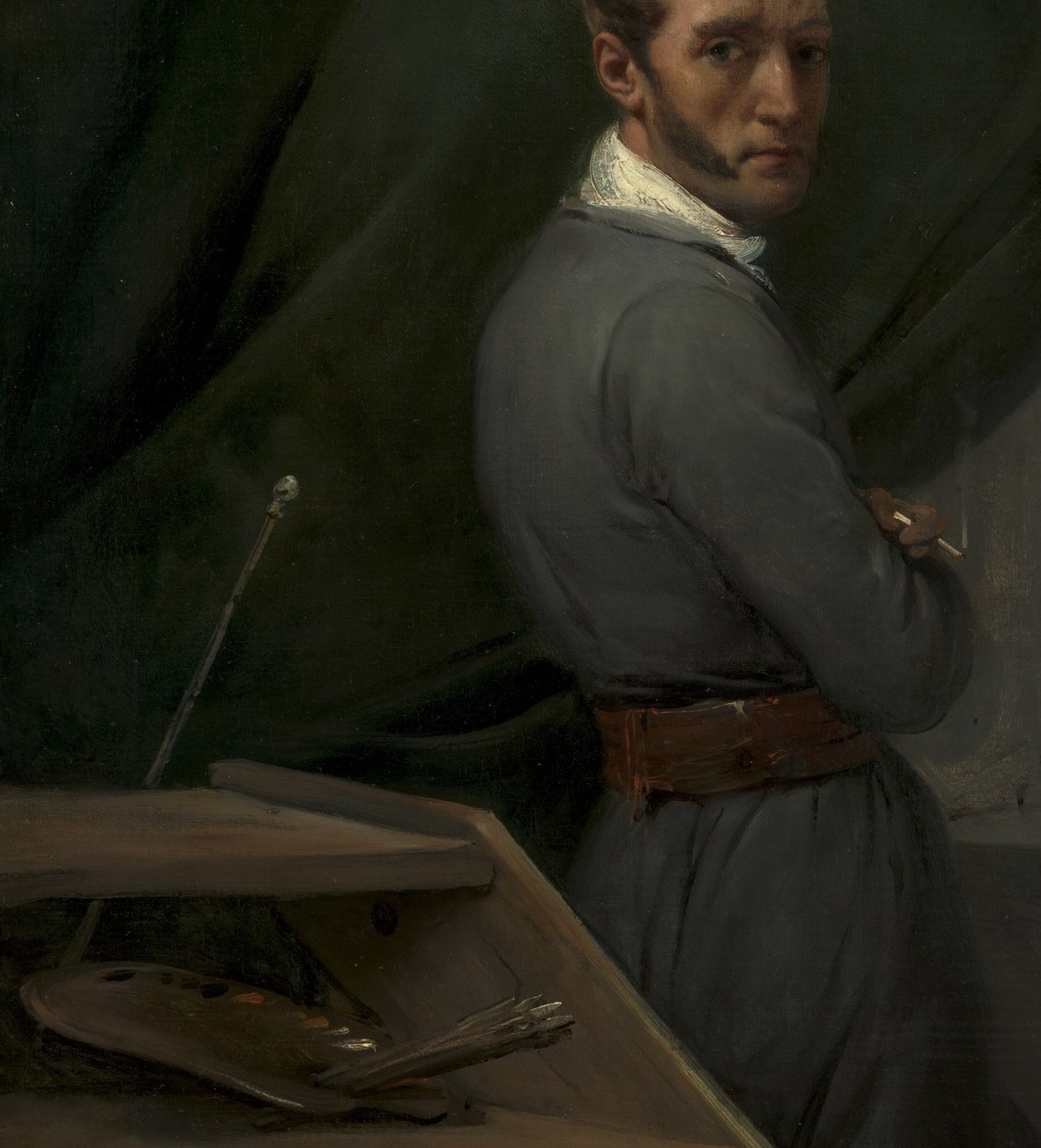
This is Horace Vernet's *Self-Portrait in Rome*, painted in 1832 and now in The Cleveland Museum of Art. It is a self-portrait designed to sell a reputation. Vernet was a titan of French Romantic painting, renowned for colossal battle scenes and Orientalist epics, but here he trades cannon smoke for a quiet Roman window and a casual backward stare.
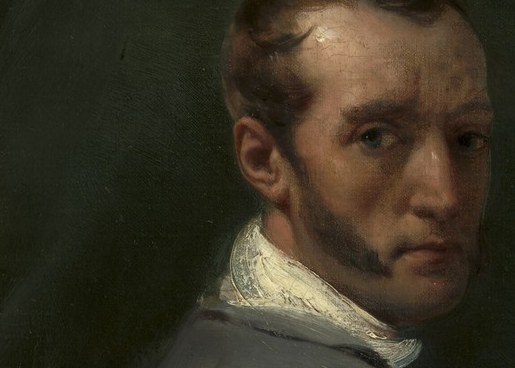
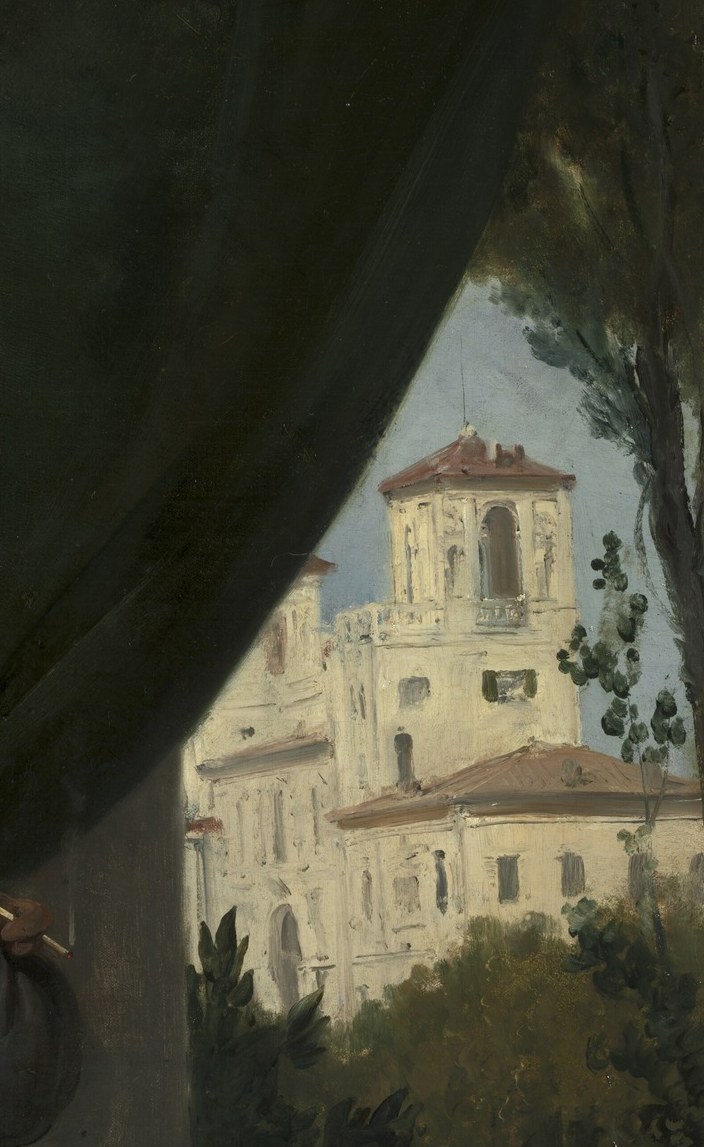
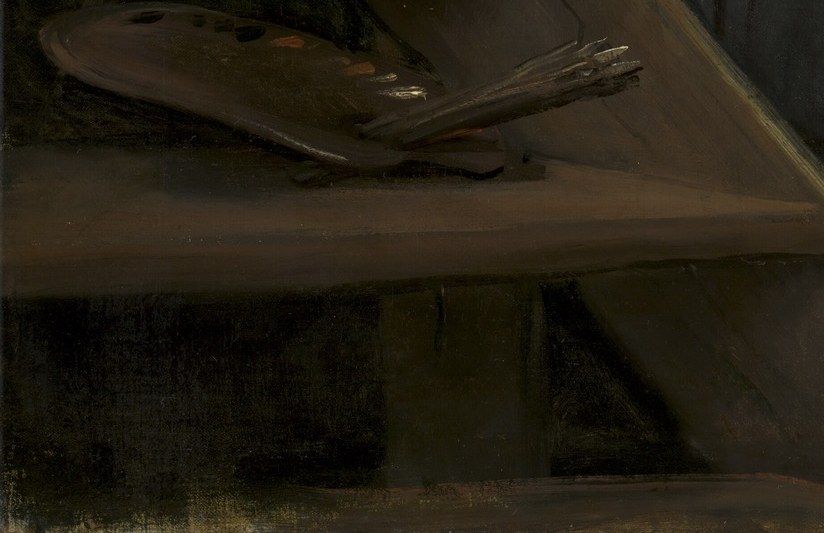
The pose is the whole pitch. He shows you his back, a dark coat filling the foreground, then catches you mid-stride with a direct, level gaze over his left shoulder. The discarded palette and brushes at the lower edge confirm he is not a gentleman at leisure but an artist interrupted at work. Through the window, a specific Roman dome anchors the scene to a real moment in his Grand Tour.
Born in 1789, Vernet came from a dynasty of painters and became the most famous military painter of his generation, serving as director of the French Academy in Rome from 1829. This small, personal canvas is a backstage pass: a man who spent years staging the drama of empire, pausing to stage the drama of himself.
Next time you face a camera, try looking away first. The most commanding portraits often begin with a refusal.
Details
Transcript
He painted himself in Rome, 1832. But he refuses to face you like a gentleman. This glance over the shoulder is a signature of charisma. He is Horace Vernet, and he is working. The dome outside marks the Roman street. He placed his tools in the foreground to signal his trade. Vernet was the most famous military painter of his generation. This portrait is a quiet contract: I see you, and you see my work.