La Mere Adele (Cordon Bleu) by Robert Vonnoh
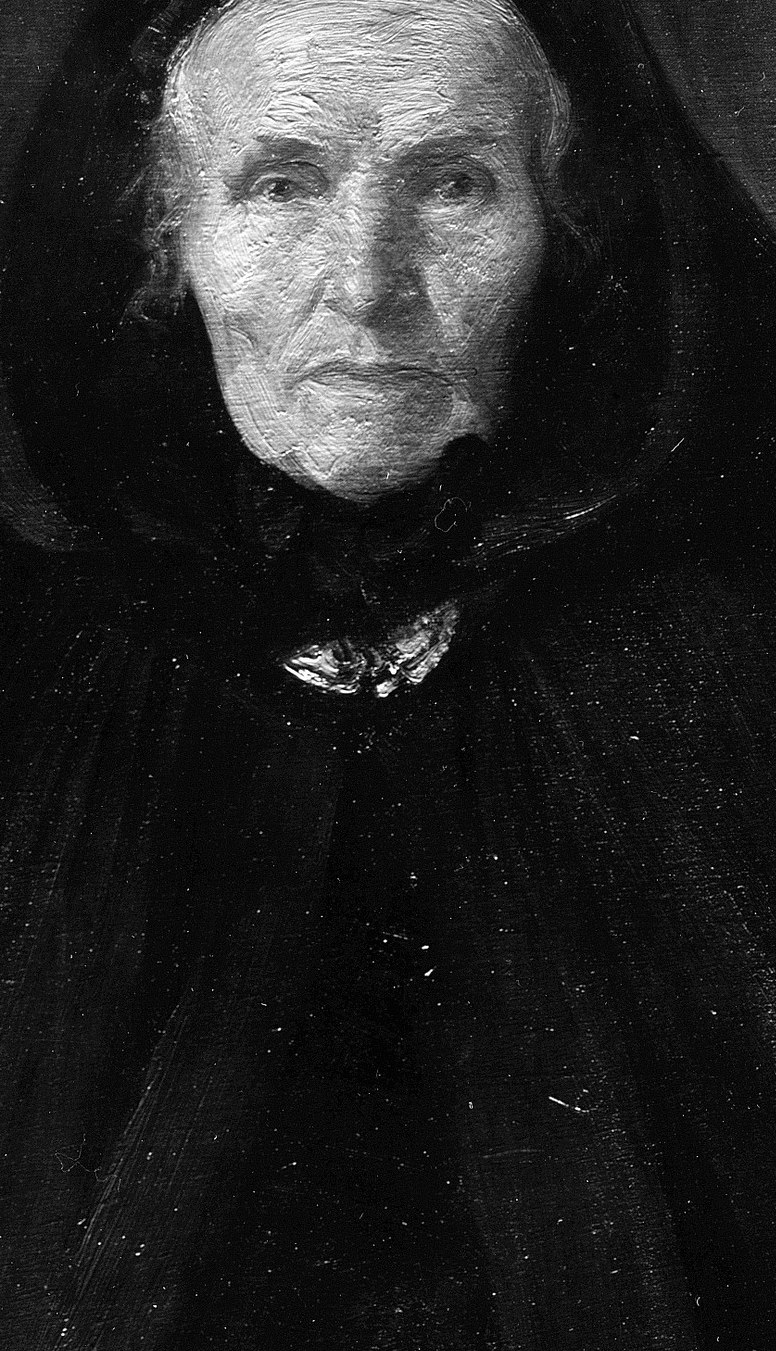
Robert Vonnoh's "La Mere Adele (Cordon Bleu)" (1911), housed at The Metropolitan Museum of Art, is a masterclass in American Impressionism, showcasing the artist's distinctive use of visible brushwork.
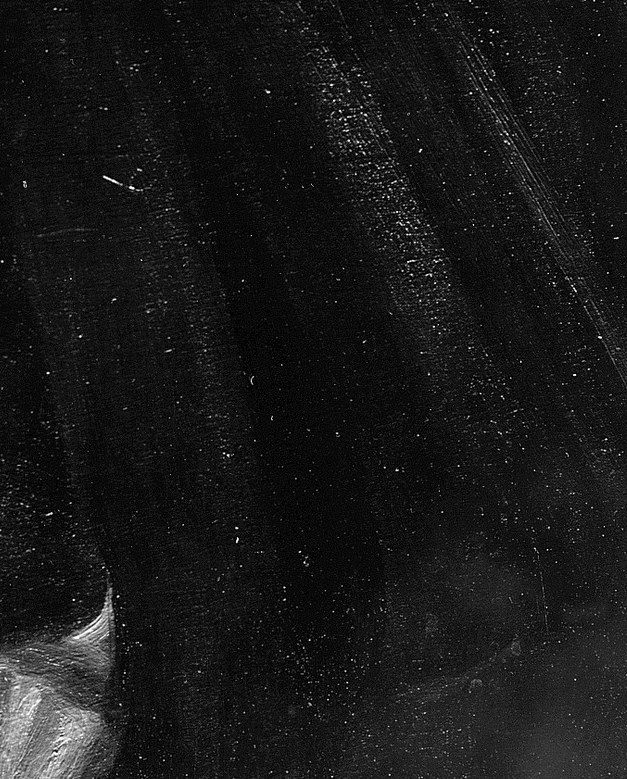
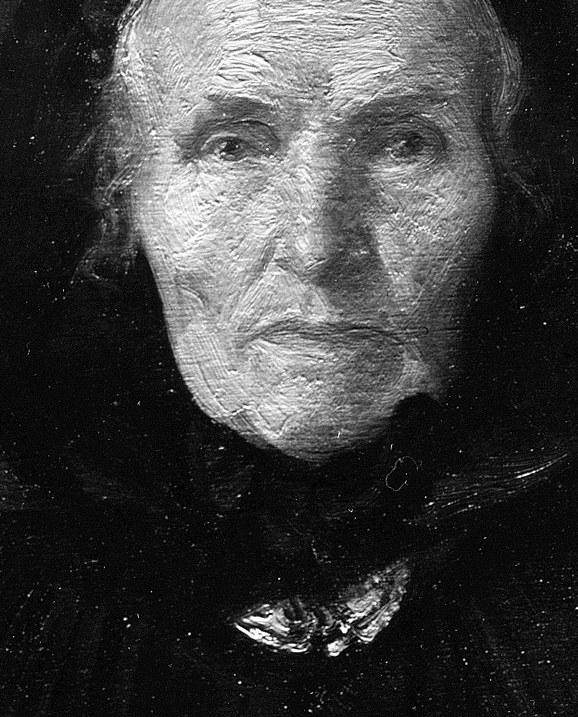
Observe how Vonnoh built up the paint on her dark cloak and particularly on her face. The thick, tactile strokes aren't just details; they are fundamental to how the light interacts with the painting.
Vonnoh, an American Impressionist who often traveled between the US and France, used this impasto technique to create a surface texture that brings a luminous quality to the subject's skin, a hallmark of his style. This direct approach to portraiture, with its focus on light and form, defines his contribution to the movement.
Doesn't it make you want to reach out and touch the canvas?
Details
Transcript
This American Impressionist painter worked with thick, visible paint. Look closely at the texture of her dark cloak. The artist applied oil paint with tangible, visible brushstrokes. These strokes capture the light, giving her face a luminous quality. The effect is most clear here, on her forehead.