The Intruder by Metsu, Gabriel
Gabriel Metsu's The Intruder, painted around 1660, is more than just a domestic scene; it's a carefully constructed narrative rich with symbolism. This oil on panel work, housed in a private collection, uses common Dutch Golden Age motifs to tell a story.
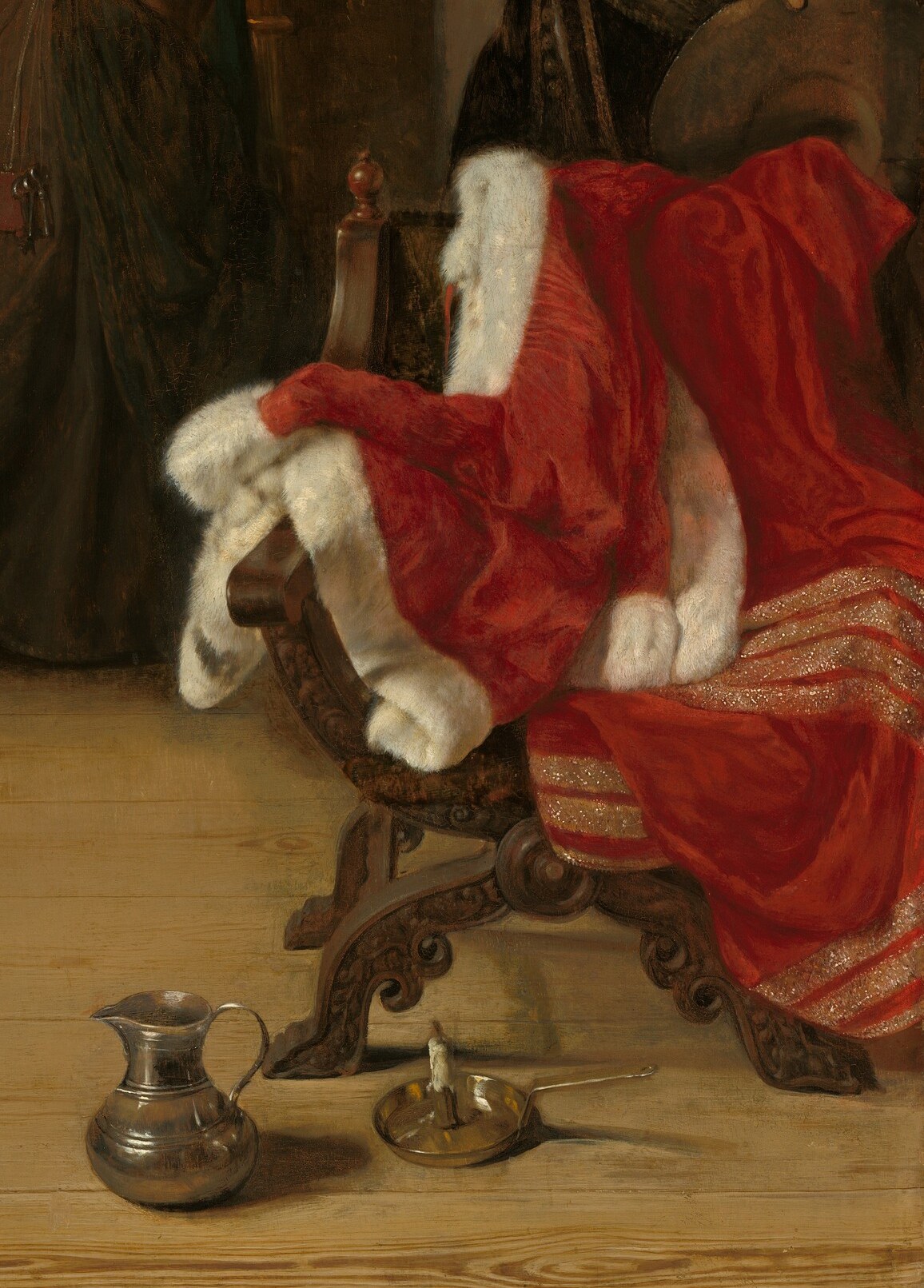
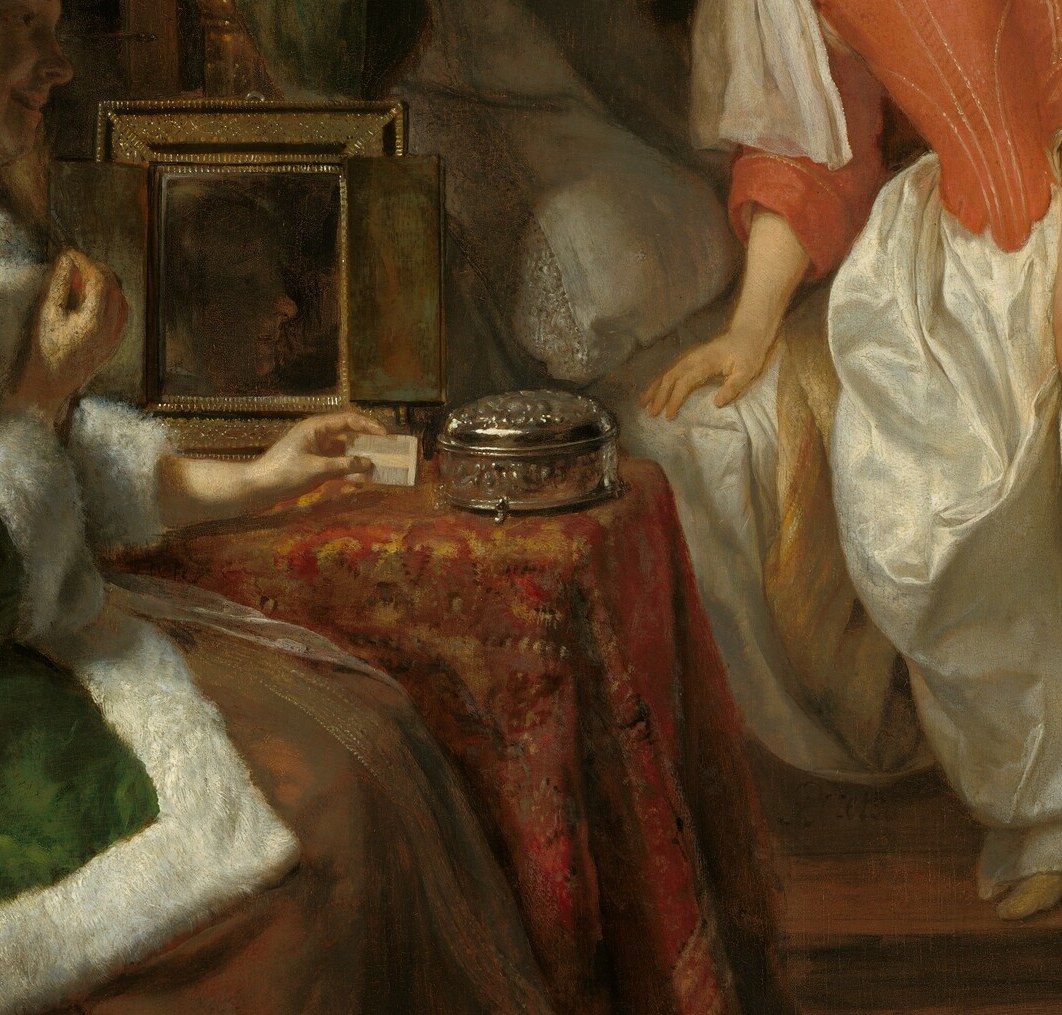
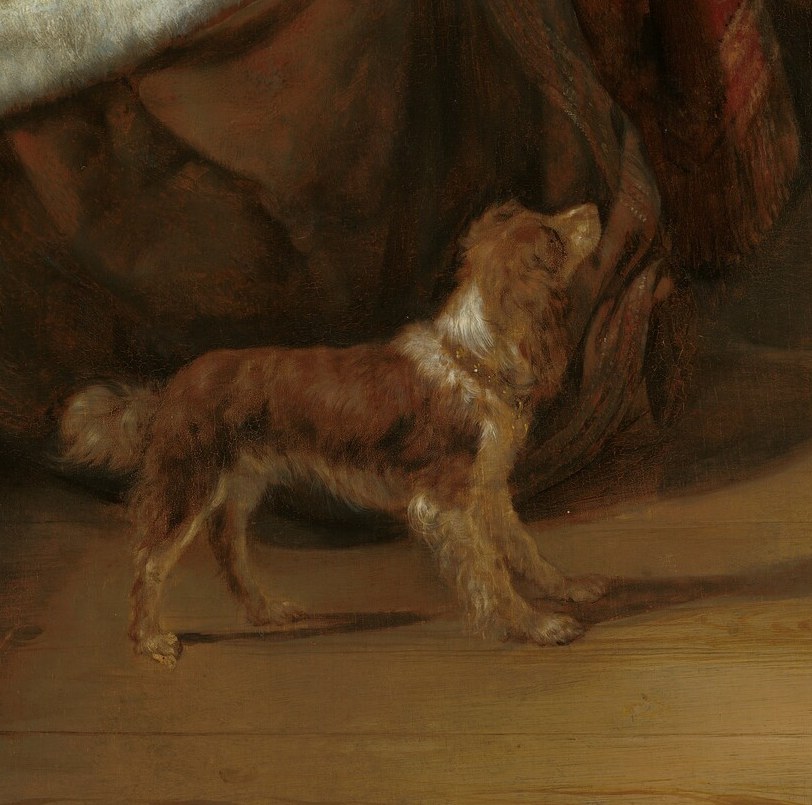
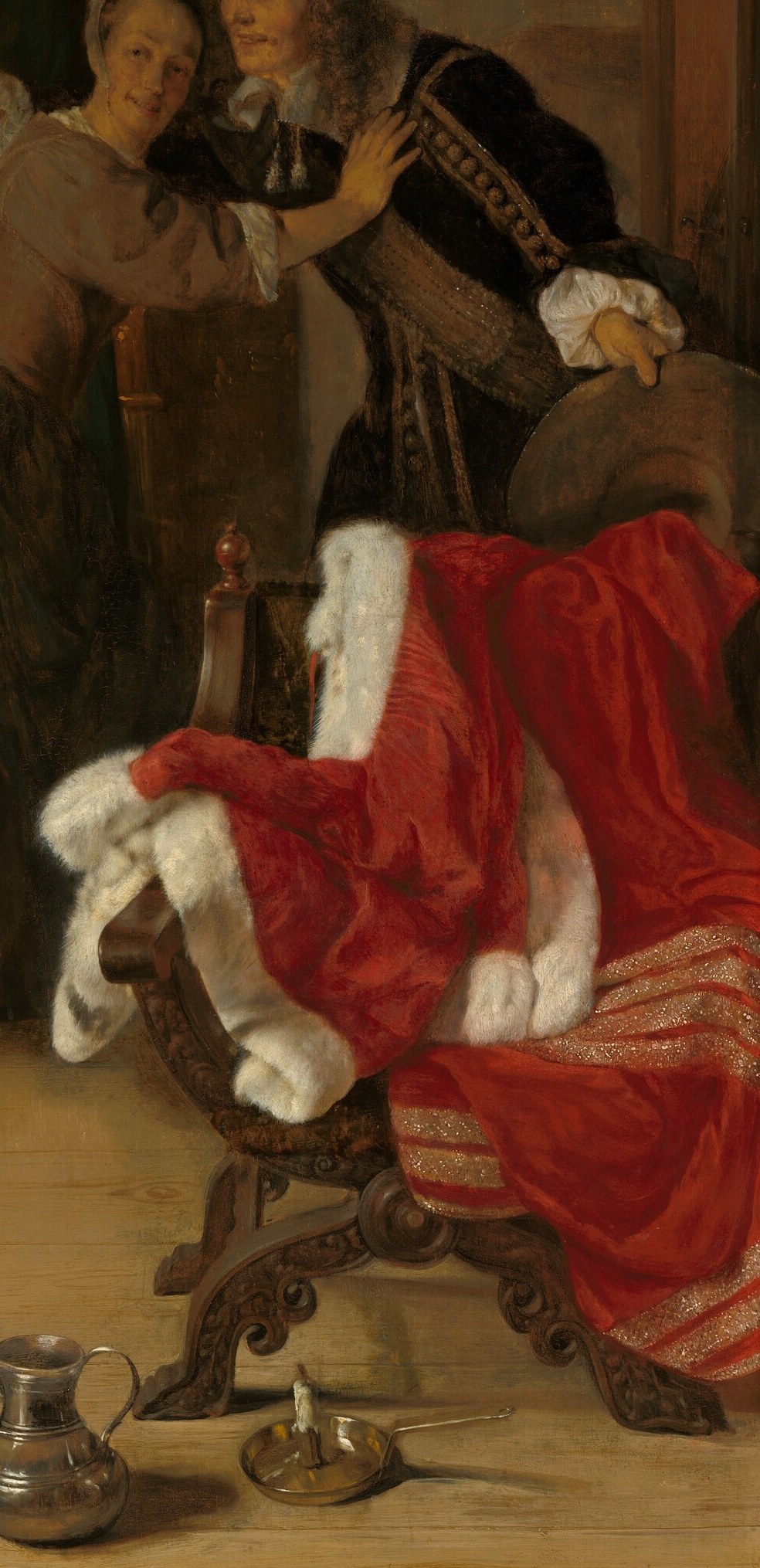
Look closely at the details: the luxurious red robe, the intimate jewelry box and mirror, and the alert dog. Each element was a visual cue to the 17th-century viewer, hinting at themes of wealth, vanity, and fidelity, or its absence.
Art in this period often used everyday objects to convey deeper moral or social messages. Metsu masterfully orchestrates these elements to depict an unexpected arrival, creating a dramatic tension that holds the viewer's gaze. What do you think the man's intentions are?
This painting invites us to decode its visual language, revealing the hidden stories within seemingly simple scenes.
Details
Transcript
This isn't just an intruder. It's a coded message. The red robe on the chair symbolizes wealth and luxury. The jewelry box and mirror suggest vanity and seduction. The dog often represents loyalty, or in this case, a watchful guardian. Her partially uncovered shoulder hints at a private moment interrupted. Together, these elements tell a story of an unexpected, unwelcome disruption.