The Duke of Wellington by Spanish 18th/19th Century
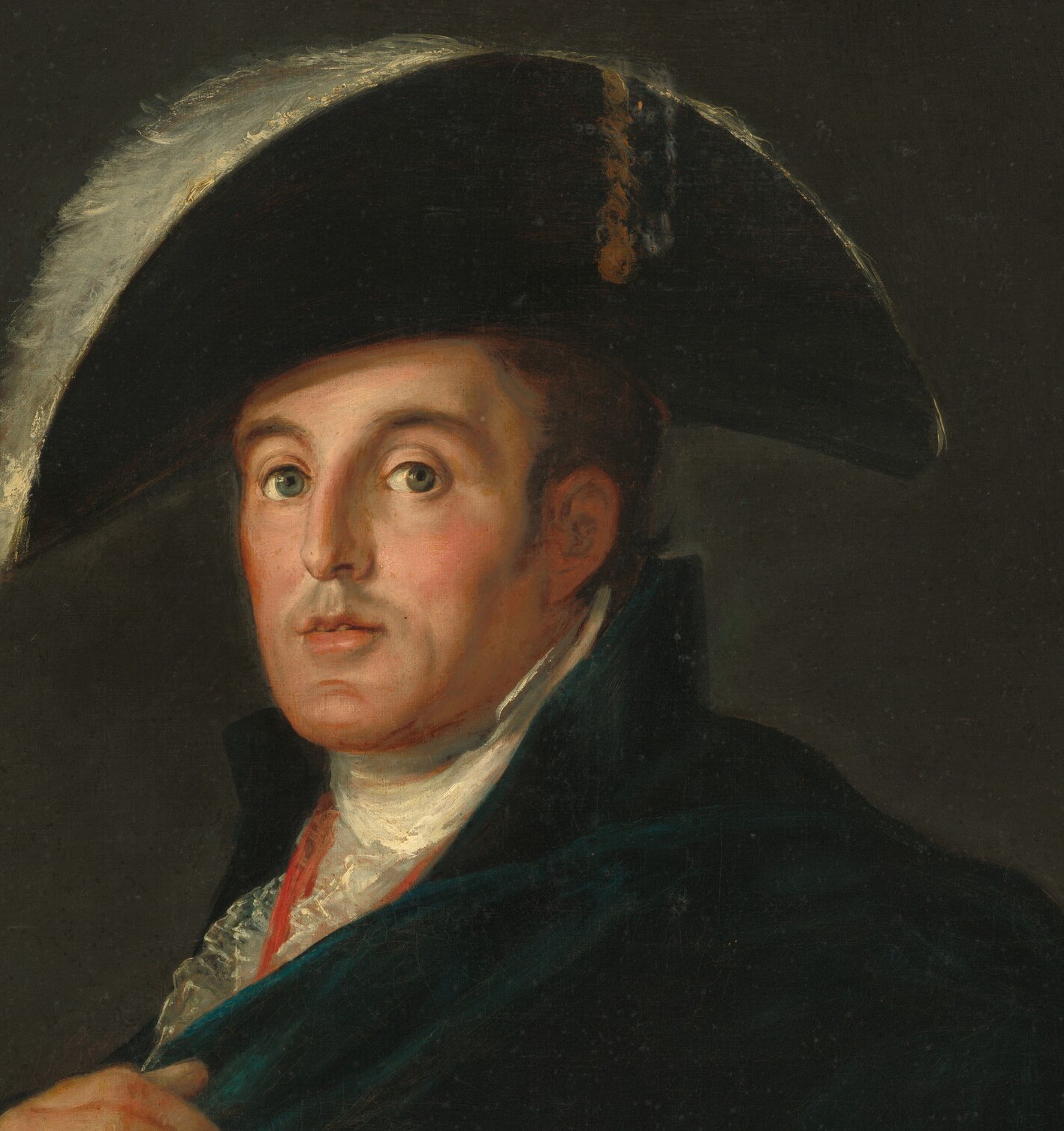
Francisco Goya's "The Duke of Wellington" (c. 1812) at the National Gallery, London, is more than just a portrait of a military hero; it's a study in psychological realism by a master.
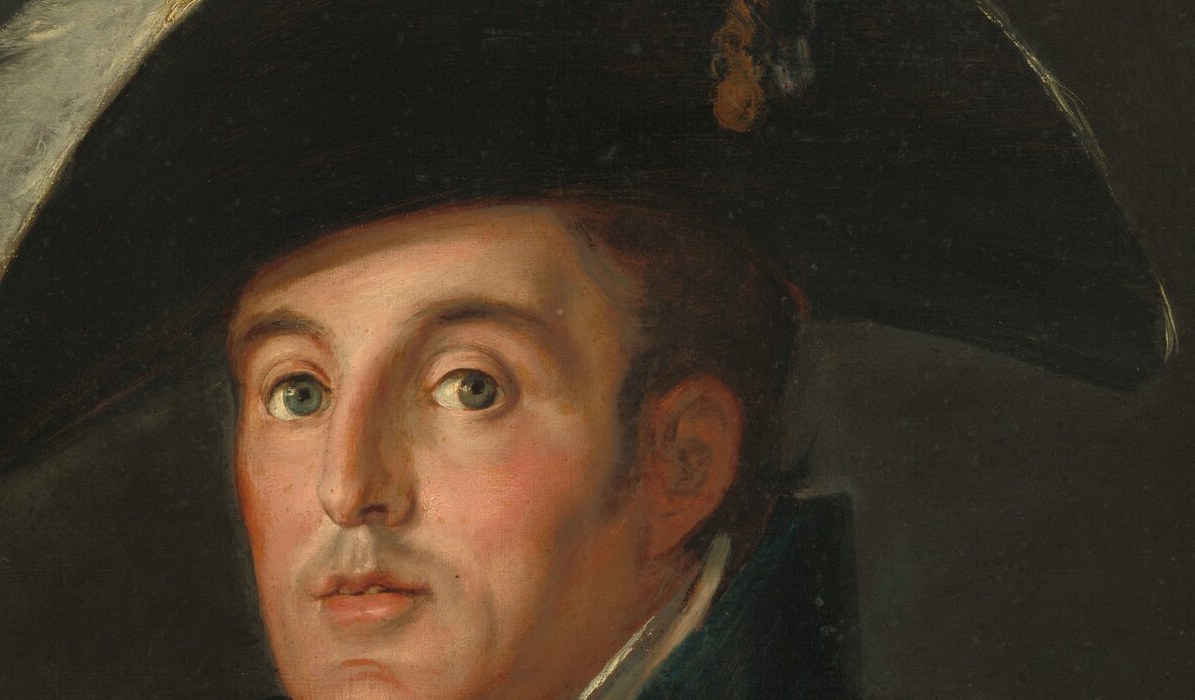
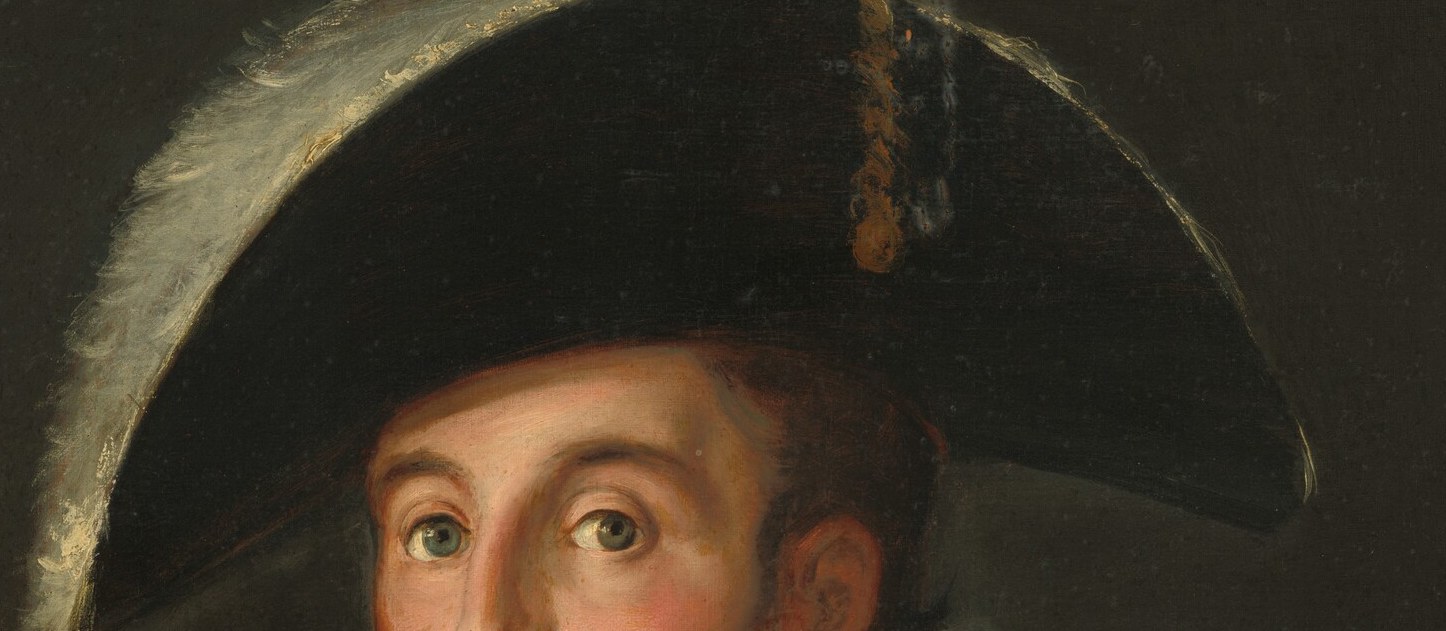
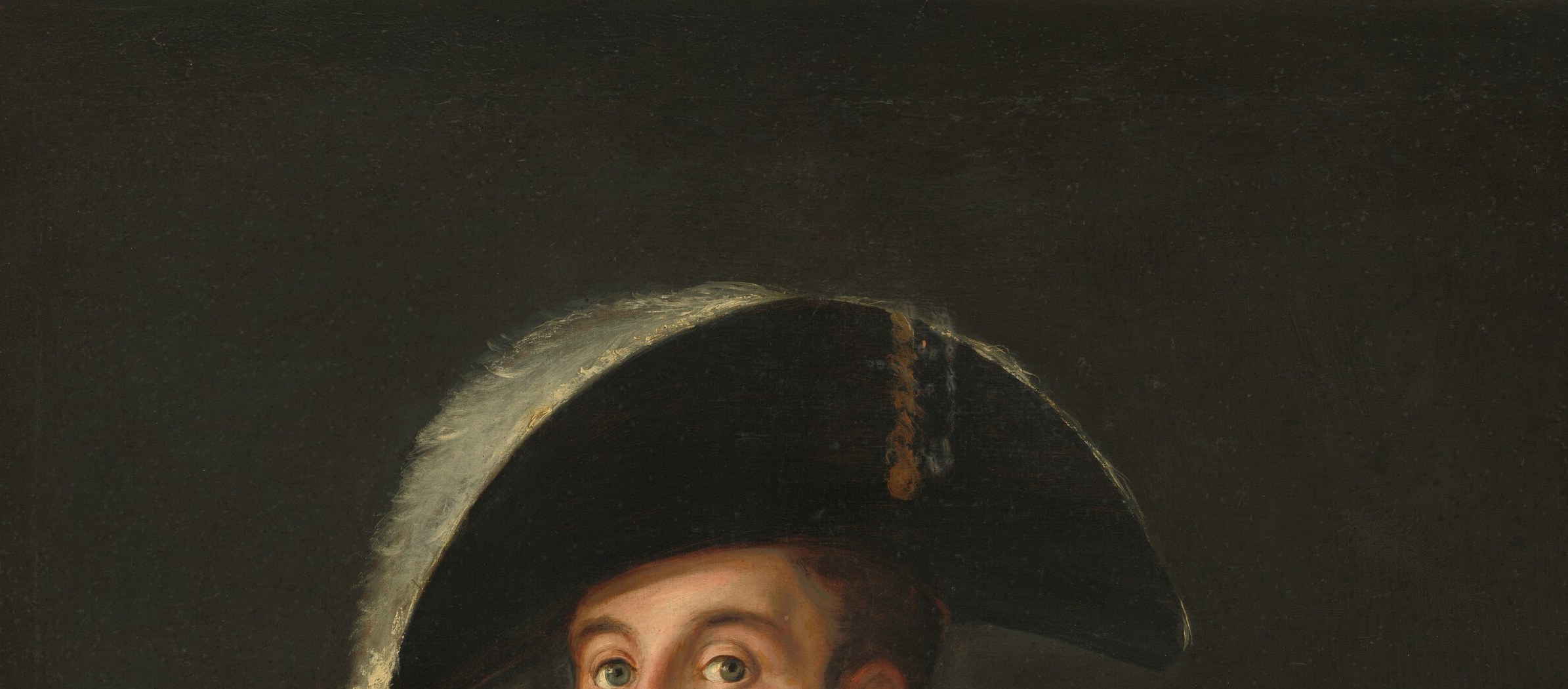
Look closely at the Duke's eyes, shaded by his large bicorne hat, yet still holding a direct, scrutinizing gaze. Goya captures a man of immense power, but one who is also guarded and intensely aware of being observed.
Historically, Goya is known to have revised elements of this portrait, including the pose of Wellington's hand. These changes subtly reflect the evolving relationship between the artist and his famous sitter, adding layers to the visual narrative. This work isn't just a record of a face, but a glimpse into a complex personality at a pivotal moment in history.
What do you see in his eyes?
Details

Transcript
Arthur Wellesley, Duke of Wellington. Conqueror of Napoleon's marshals. This painter was a master of psychological truth. He captures a guarded, scrutinizing look. The hat's shadow emphasizes the intensity of his gaze. Look at the stiff, controlled way he holds his hand. The painter revised this pose, as relations cooled. Goya caught the man beneath the hero.