The Sorrow of Telemachus by Angelica Kauffmann
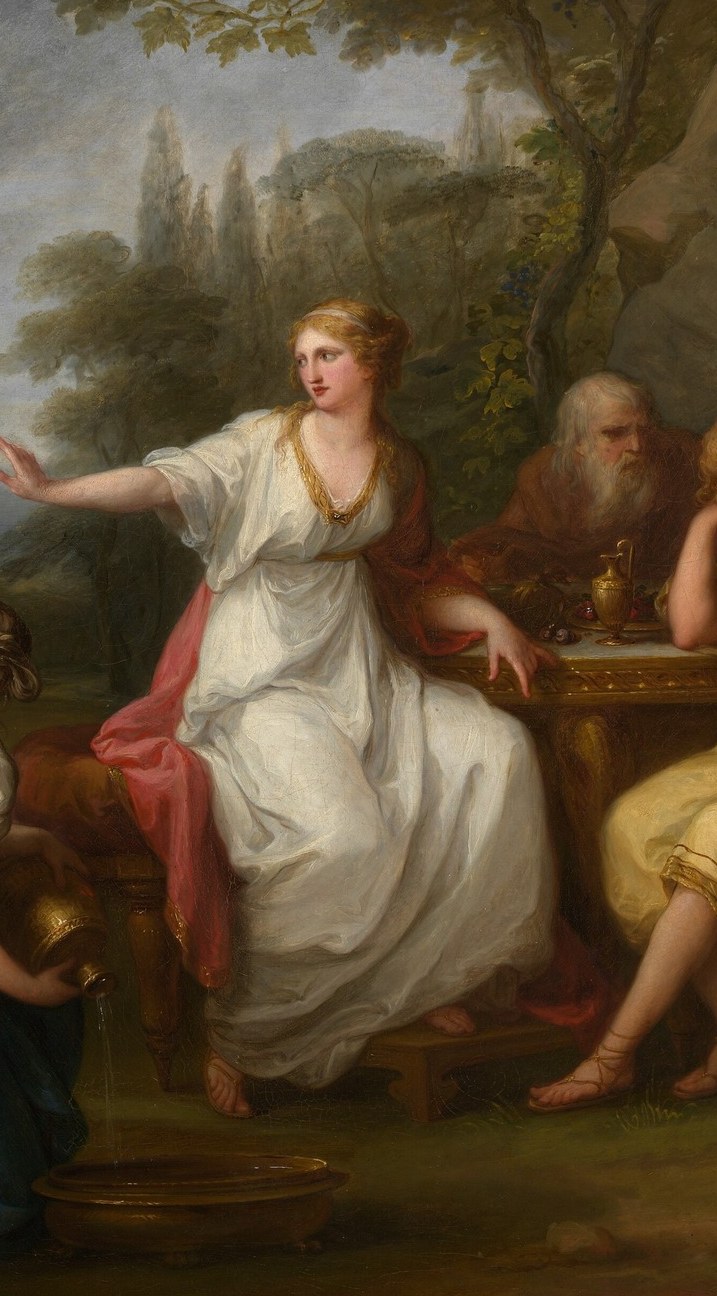
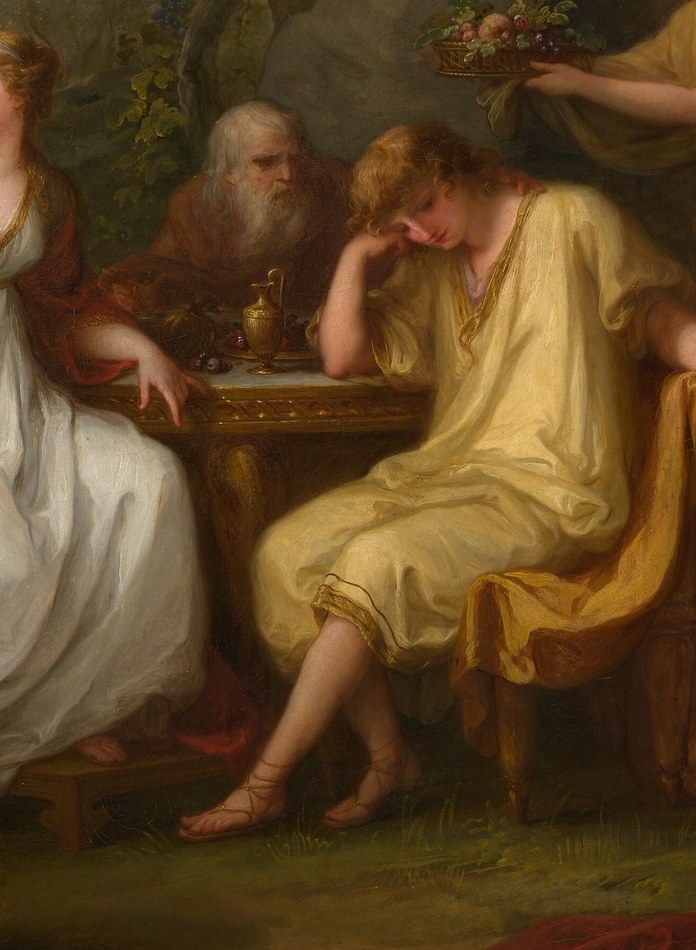
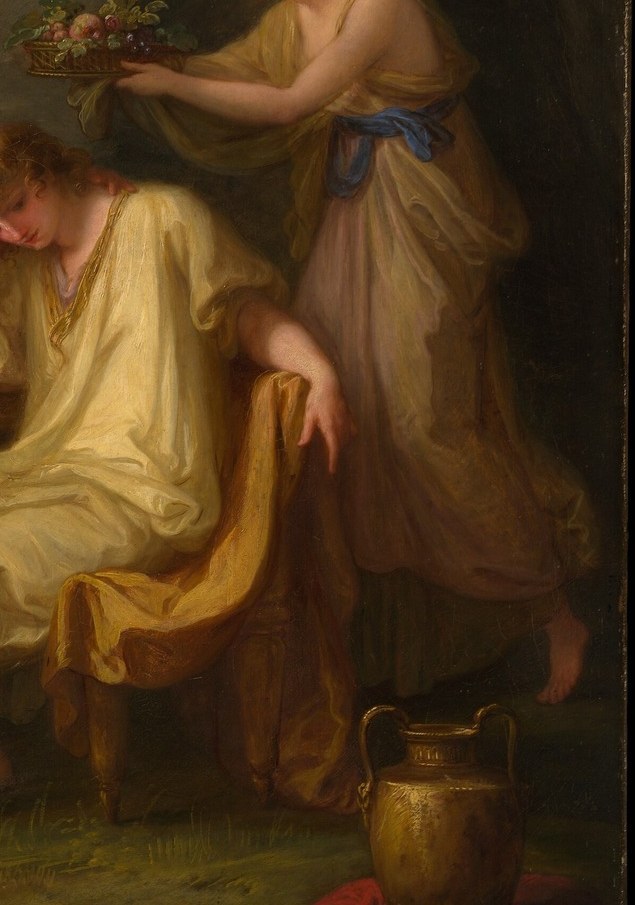
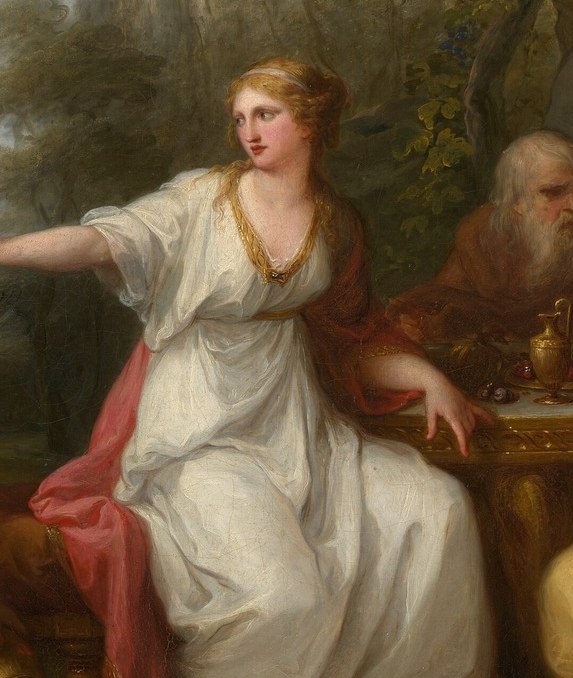
Angelica Kauffmann painted The Sorrow of Telemachus in 1783, and it now hangs in the Metropolitan Museum of Art. It looks like a serene Neoclassical scene from Homer's Odyssey, Telemachus slumps in despair, a goddess gestures toward his fate. But this painting was a quiet act of professional warfare.
Kauffmann was one of only two women among the founding members of Britain's Royal Academy. Her male peers tolerated her portraits and decorative work. History painting, big, moral, literary subjects like this one, was considered the highest calling, and it was meant to be a man's job. Kauffmann disagreed. She exhibited large mythological canvases repeatedly, forcing the art world to reckon with a woman commanding the same intellectual territory as the men. It damaged her reputation in ways that were deeply personal and professional; critics called her work derivative, her ambition unseemly.
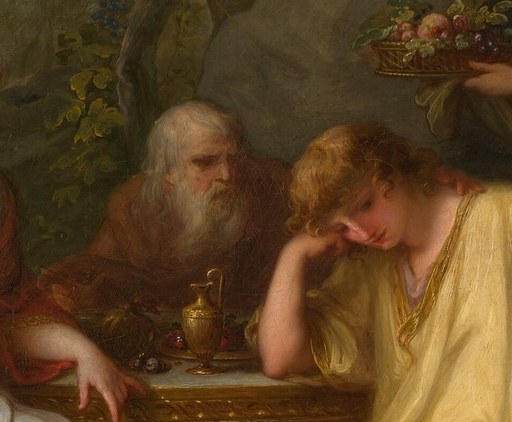
Look closely at Telemachus's downcast eyes. He is not a heroic figure. Kauffmann painted interiority, a man paralyzed by grief, rather than action. The brightest passage in the painting is the white drapery on the standing woman, a rhetorical gesture that an 18th-century viewer would have read as a sign of divine instruction. She channels the light through fabric, a technical choice that suggests moral clarity is entering the scene, even while Telemachus remains in shadow.
The real sorrow in this painting might be her own. A woman at the top of her field, barred from the work she was best at, knowing every large canvas would be met with suspicion. She made it anyway.
Details
Transcript
In 1783, this painting caused a serious problem. It was made by a woman. One of only two in the Royal Academy. She painted Telemachus, the son of Odysseus, in despair. Look at his face. He refuses to meet our gaze. The scandal was not his sorrow. It was her ambition. History painting was the highest genre. Reserved for men. Angelica Kauffmann refused to stay in her lane.