Portrait of a Horseman by James Seymour
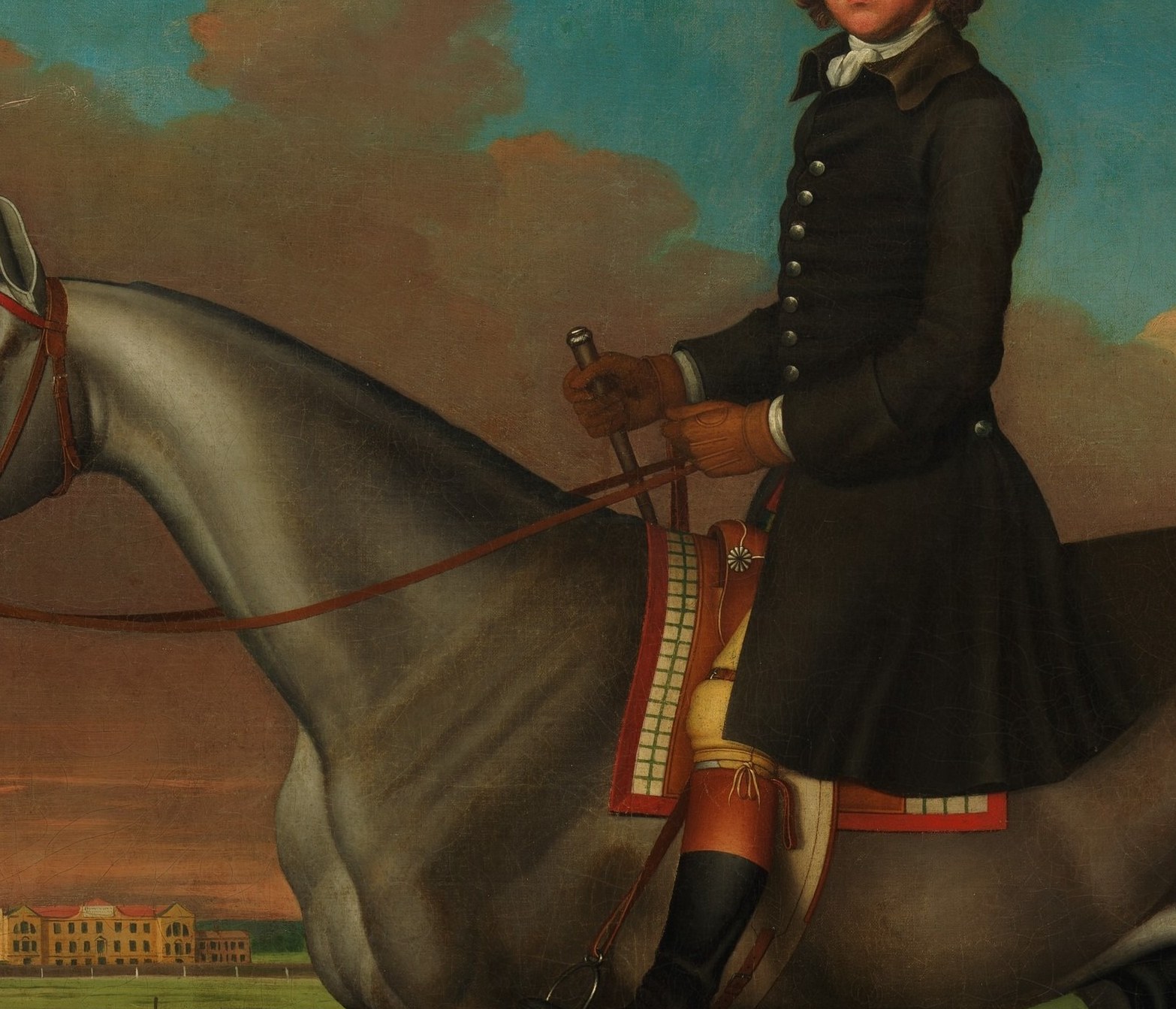
This is James Seymour's "Portrait of a Horseman," painted in 1748 and now at The Metropolitan Museum of Art. For decades it was simply catalogued as an unknown rider, but scholarship now agrees the face is Seymour himself, a self-portrait of the artist as landed gentry.
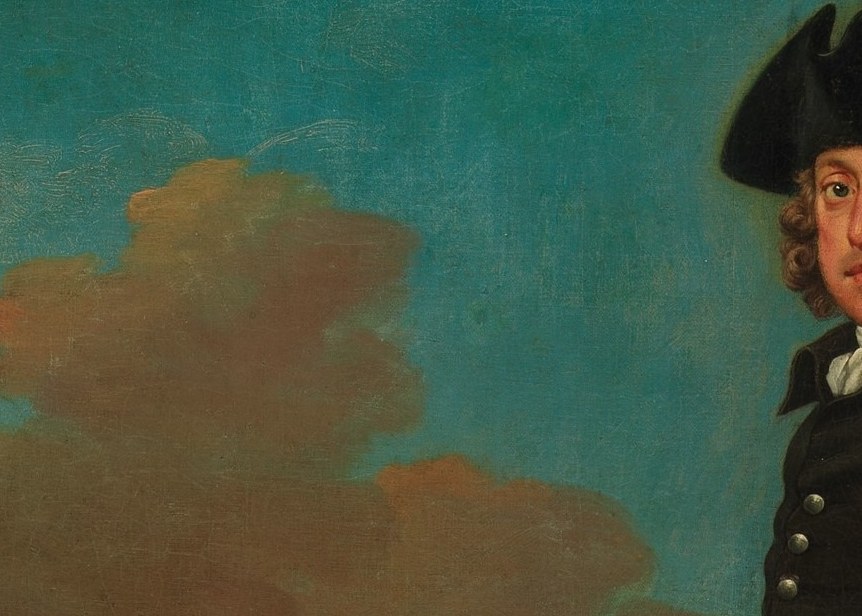
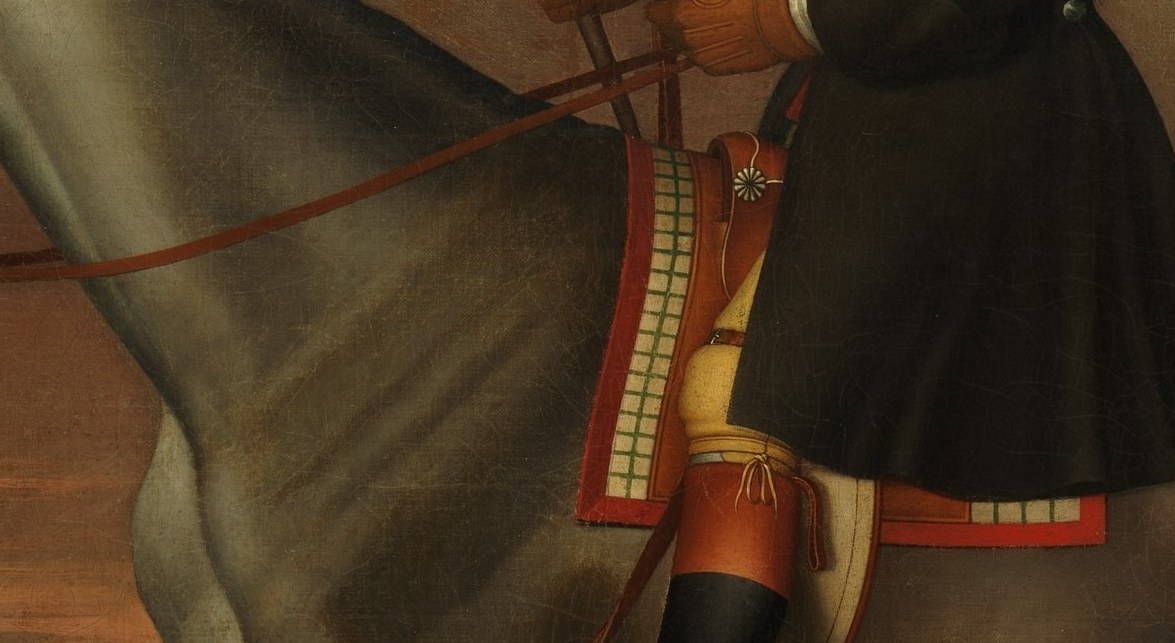
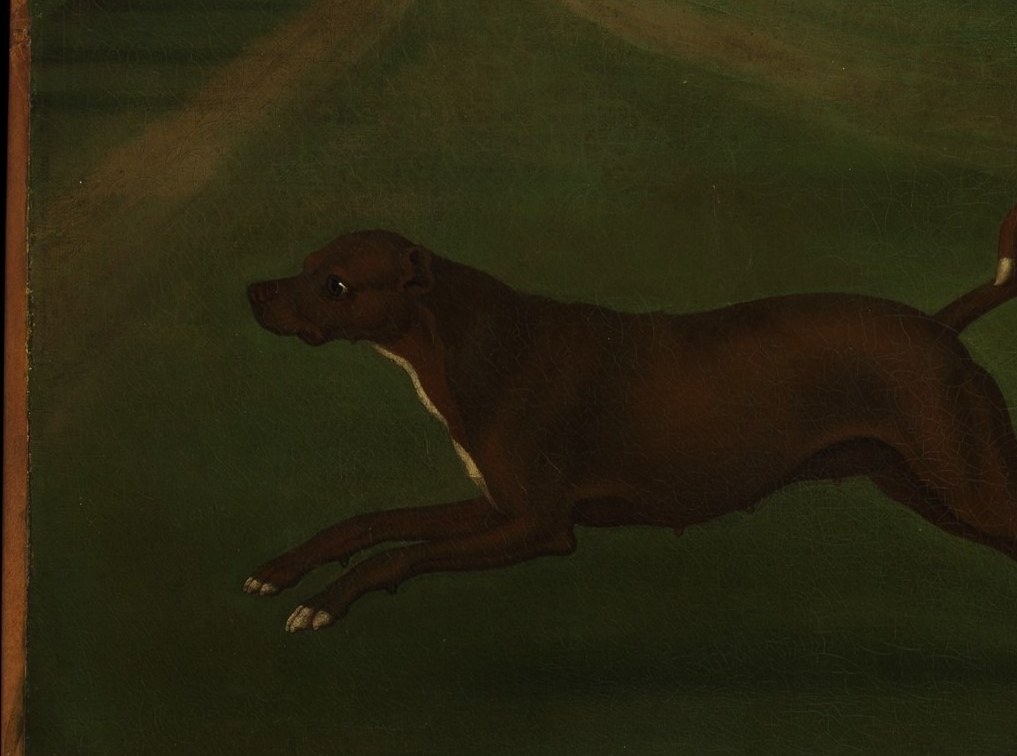
Look at the details that sell the status: the severe black coat cutting against the pale horse, the cocked tricorn hat, the small hunting dog at the lower left, and the flat managed parkland stretching to the horizon. Every element is a class marker in 18th-century Britain, the visual language of a man who owns what he surveys. The horse itself is rendered with the kind of anatomical precision that made Seymour the rival of George Stubbs.
Seymour was born in 1702 to a wealthy London dealer and grew up inside the Virtuosi Club of St. Luke, surrounded by paintings and prominent artists. He was largely self-taught. But his true education happened at the racetrack. He drew horses, painted them, bred them, owned them, and bet on them compulsively. His sporting patrons included Sir William Jolliffe and the Duke of Somerset, and his reputation spread across Europe and America.
By 1750, the gambling had undone him. The man in this painting, surveying his estate with gloved hands easy on the reins, died two years later in a London debtors' prison. The painting survived him and now hangs in New York, a full-length portrait of a life that looked, for one moment on canvas, like pure authority.
Details
Transcript
A rider surveys his estate on a gray horse. The black coat and tricorn hat signal pure authority. This is James Seymour, the most sought-after horse painter in England. He was also a compulsive gambler at the track. He painted this self-portrait just two years before debt consumed him. The hunting dog and managed parkland show the life he wagered and lost. He died broke in a London debtors' prison, aged 50.