A Small Cheyenne Village by Catlin, George
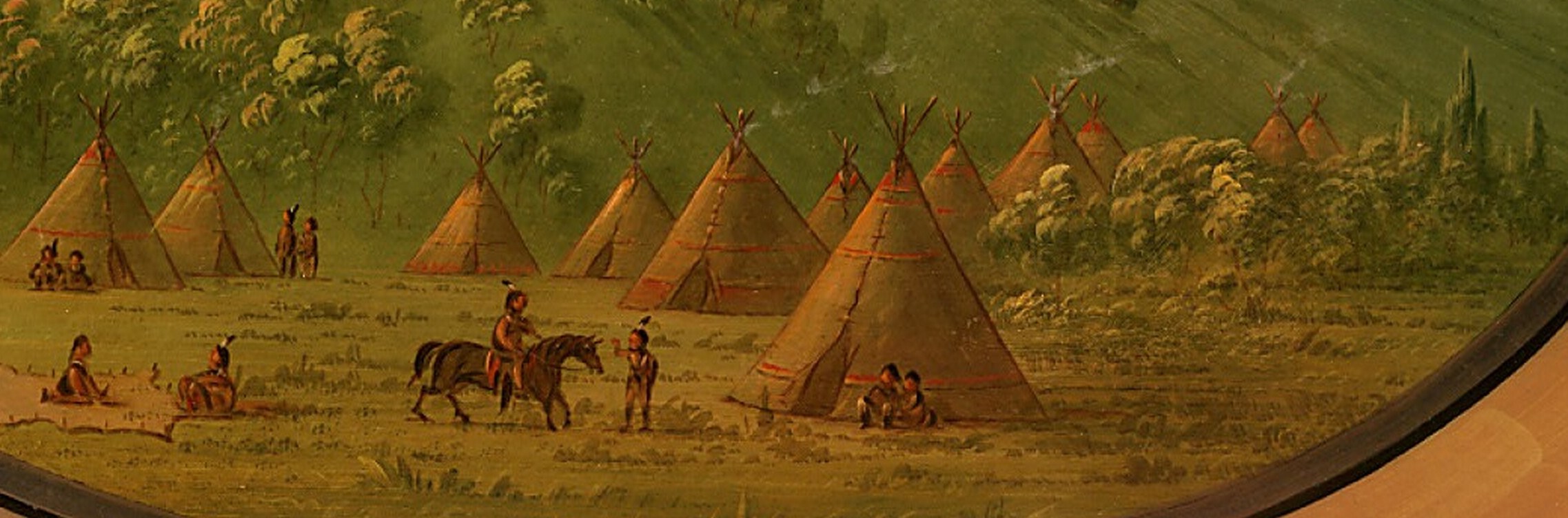
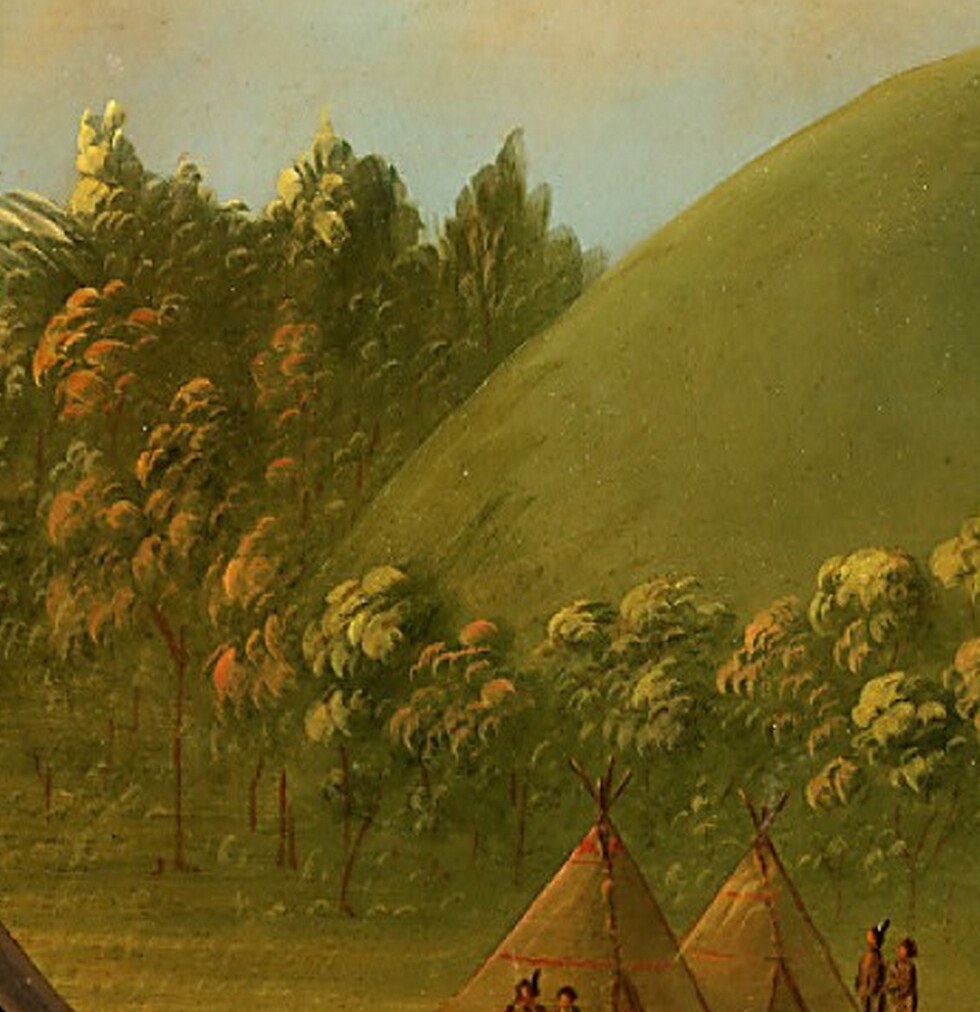
George Catlin's "A Small Cheyenne Village," painted around 1861 and now in a museum collection, captures a vivid glimpse into Native American life on the American frontier. Catlin, a lawyer turned painter, dedicated his career to documenting Indigenous cultures during his travels in the 1830s.
In this painting, observe the circular arrangement of the tipis, a traditional Cheyenne layout that was often open to the east, symbolizing community and welcoming the sunrise. The figures moving among the dwellings and the presence of dogs near the tipis further bring the scene to life, showing daily activities.
Catlin's firsthand experience on the frontier provided him with a unique perspective, allowing him to record the cultural practices and spatial organization of tribes like the Cheyenne. His work became an invaluable visual record during a period of significant change for Native American societies.
What details in this village scene resonate most with you?
Details

Transcript
In the 1830s, this painter traveled west to document Native American life. His paintings offer a detailed record of their homes and daily life. Cheyenne tipis were typically arranged in a circle, open to the east. This layout symbolized the community, with the opening for sunrise. Every element, from the river to the sky, reflects their environment. This careful observation documented a way of life changing rapidly.