Gathering Wood by Anton Mauve
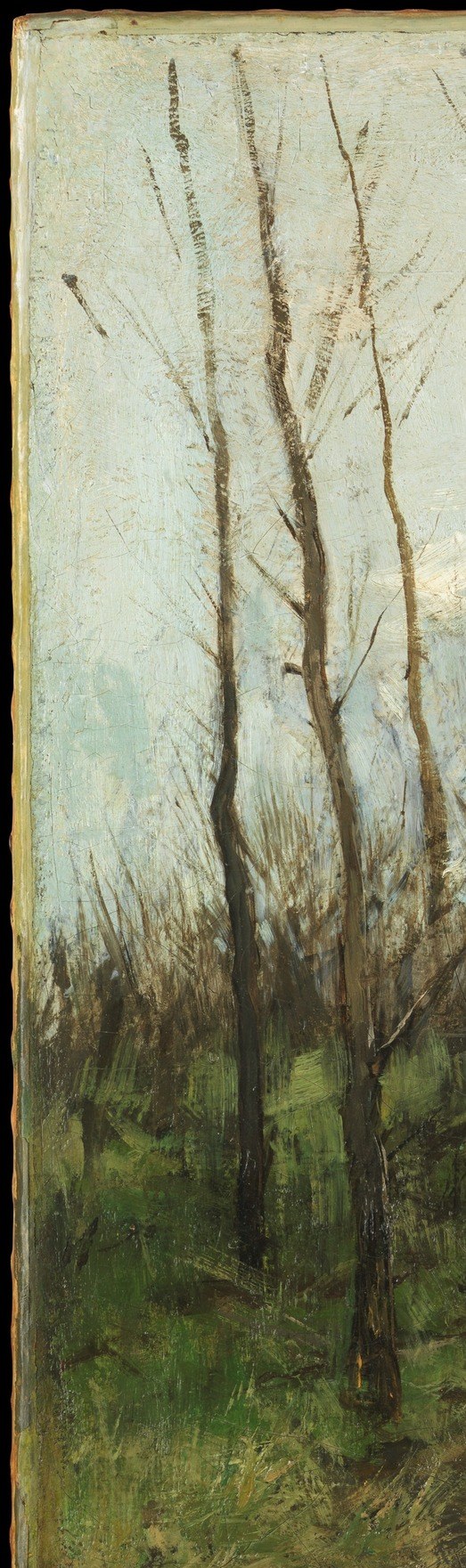
Gathering Wood, painted by Anton Mauve in 1873, holds a secret most people scroll straight past. At first glance it shows one man guiding a horse-drawn cart through a cold Dutch landscape. But Mauve painted a second figure walking near the horse's shoulder, so small and dark it nearly dissolves into the mud and shadow.
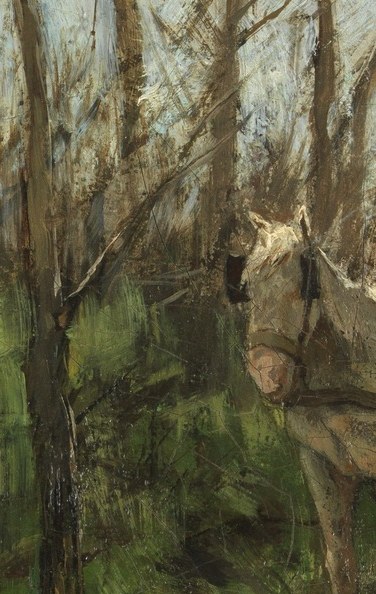
Look for the companion at the horse's left. The figure is hunched, barely more than a silhouette, but once you see them the whole painting shifts. The story is no longer a solitary struggle. It is two people sharing the load on a grey winter day, a truth that was always there in the churned mud and the patient horse.
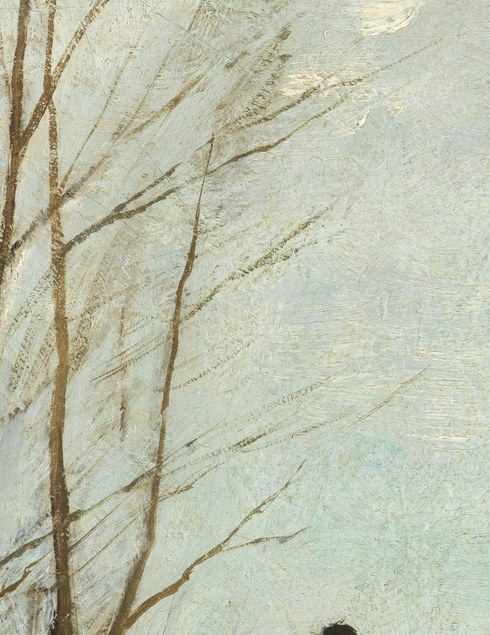
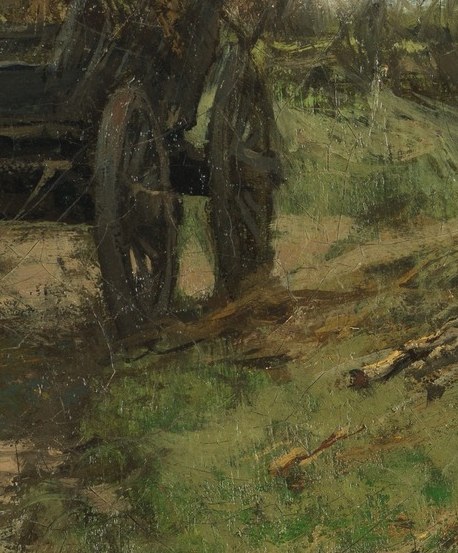
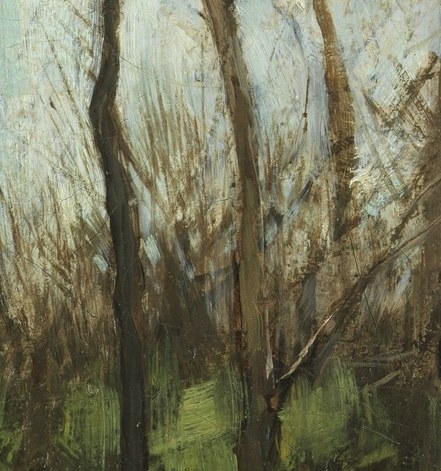
Mauve was a leading painter of the Hague School, a group of Dutch realists who documented rural life without romanticizing it. He was also Vincent van Gogh's cousin-in-law and an important early influence. Van Gogh admired Mauve's directness and his feeling for working animals and heavy skies. This painting, now in The Metropolitan Museum of Art, shows exactly that: thick, visible brushstrokes, a palette of ochre, grey, and dull green, and a world where dignity comes from endurance.
What you notice first in a painting is rarely all that it holds. Next time you look at a landscape, ask what might be hiding in plain sight.
Details
Transcript
One man, a horse, and a winter load of wood. Anton Mauve painted Dutch peasants the way they actually lived. The mud is so thick it holds the wheel. The horse's head says everything about that day. Look beside the horse. Someone else is walking. This labor was never solitary. The companion is just easy to miss.