Portrait of a Man as Saint George by Caletti, Giuseppe
This is a portrait of a real man wearing the identity of a saint. In "Portrait of a Man as Saint George," painted by Giuseppe Caletti around 1624, the sitter poses in armor with the red-cross banner that marks Saint George. He is not the legendary dragon-slayer but an ordinary gentleman who commissioned a painting of himself in a role.
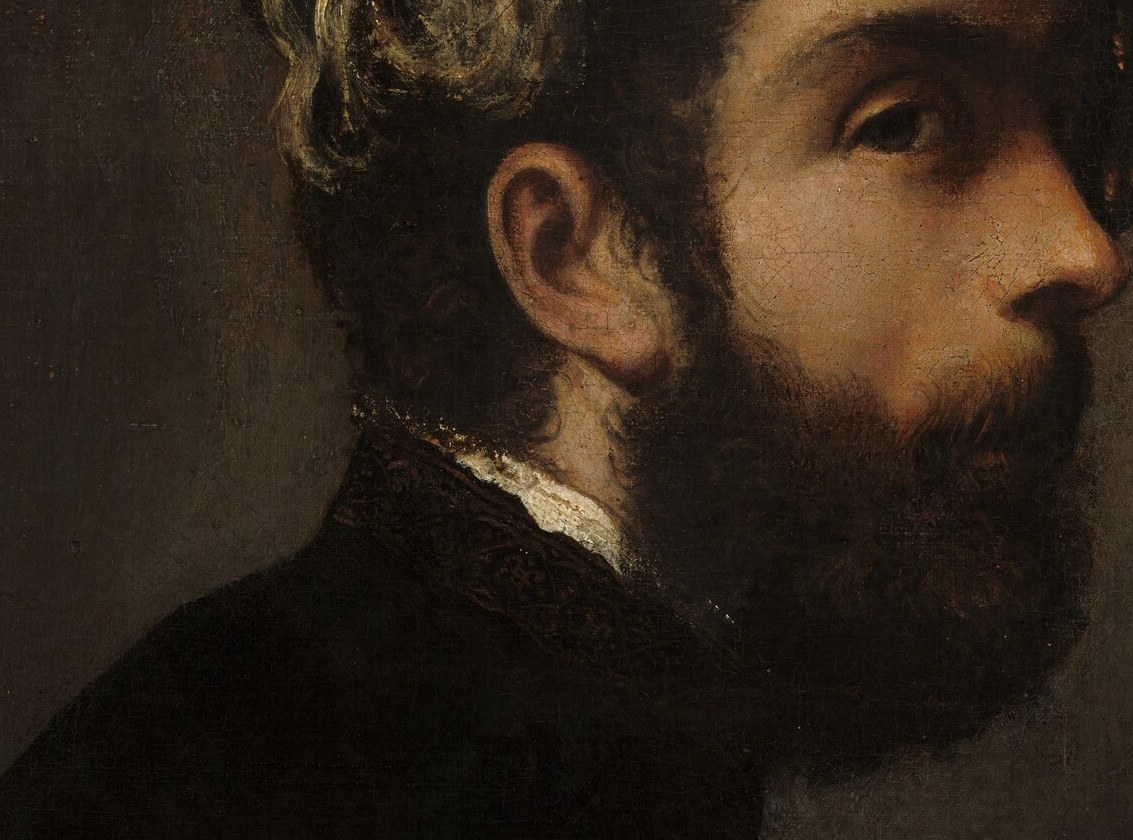
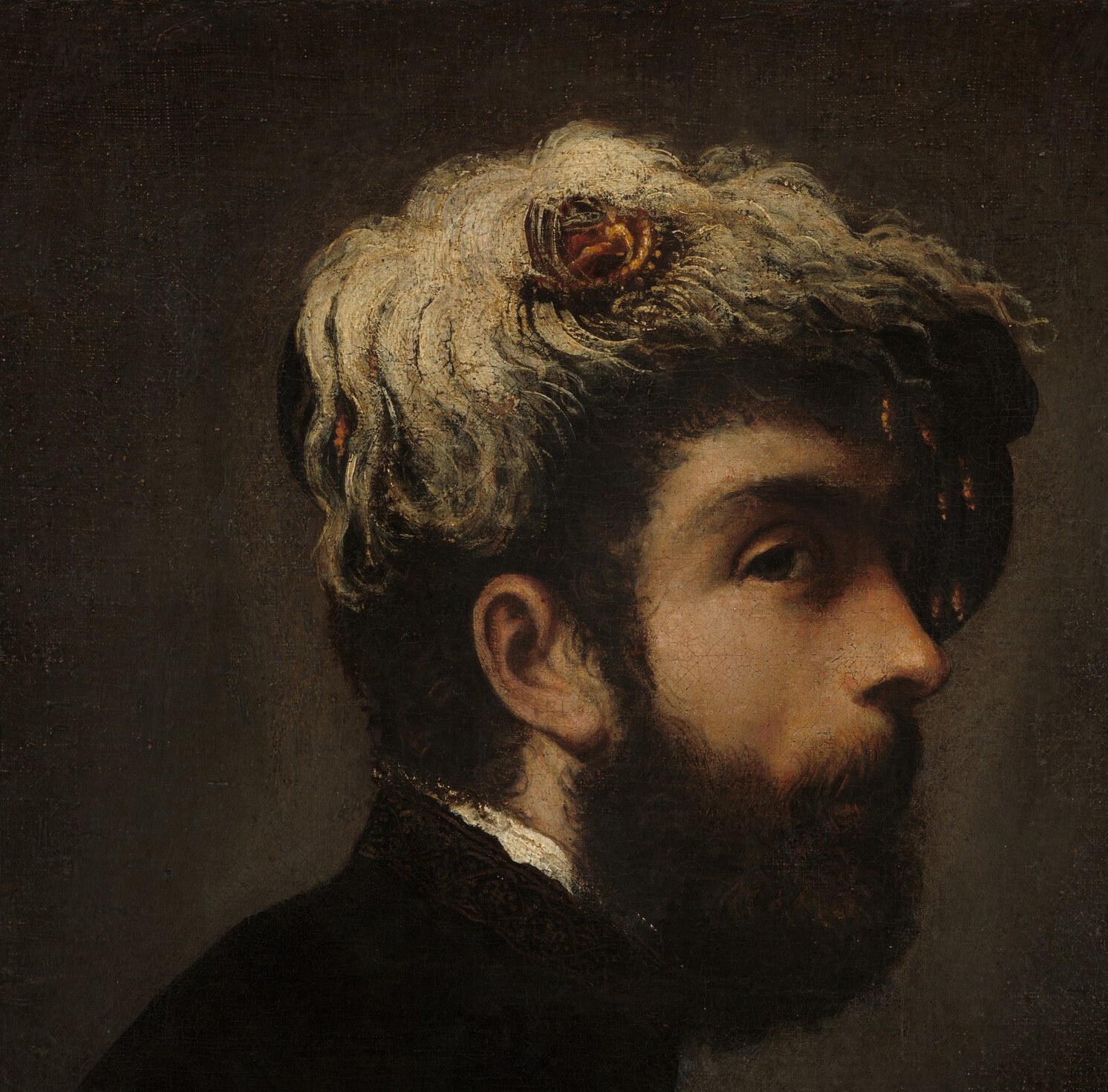
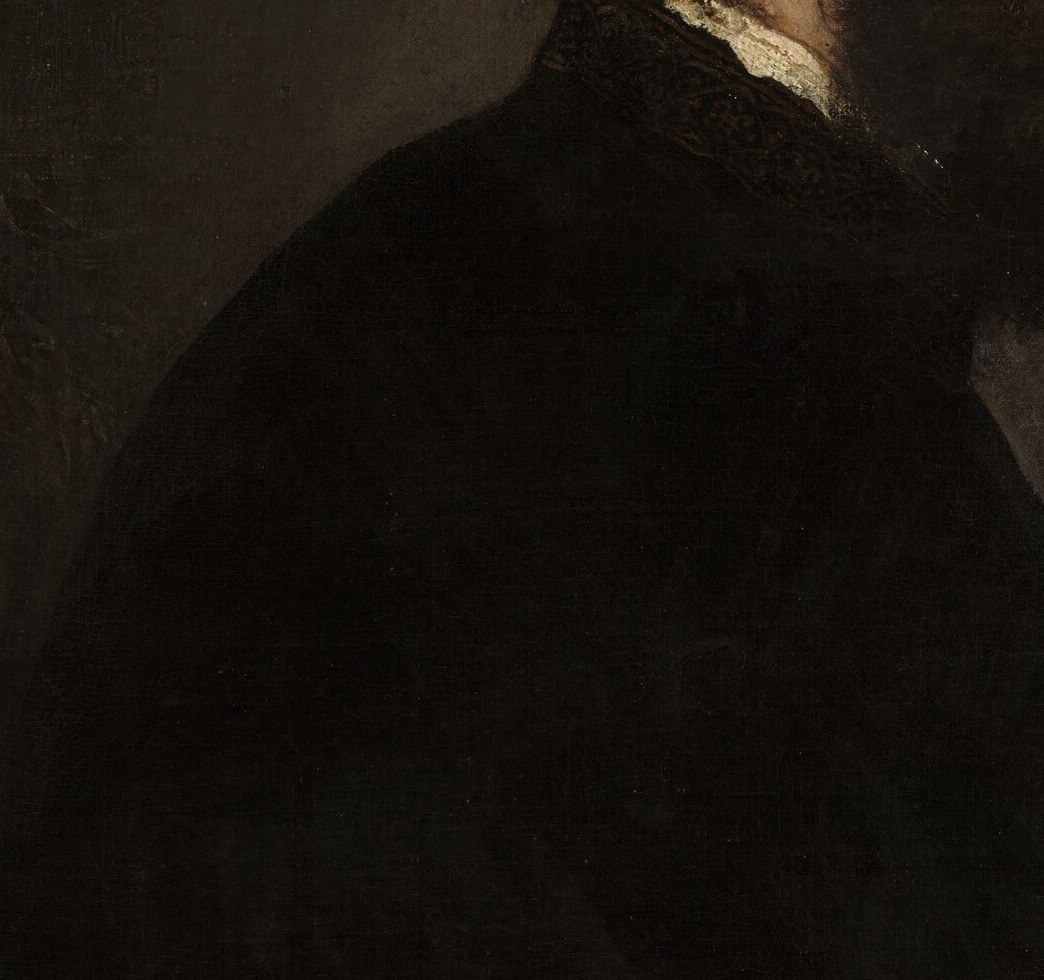
Look past the armor and you will find the clues. The face is highly specific: a neatly trimmed beard, tightly curled hair, a three-quarter profile that insists on individuality. Beneath the metal breastplate, a dark civilian collar peeks out. Caletti was not hiding these details. He intended the viewer to see a man playing a part, a popular Baroque format called a portrait historié.
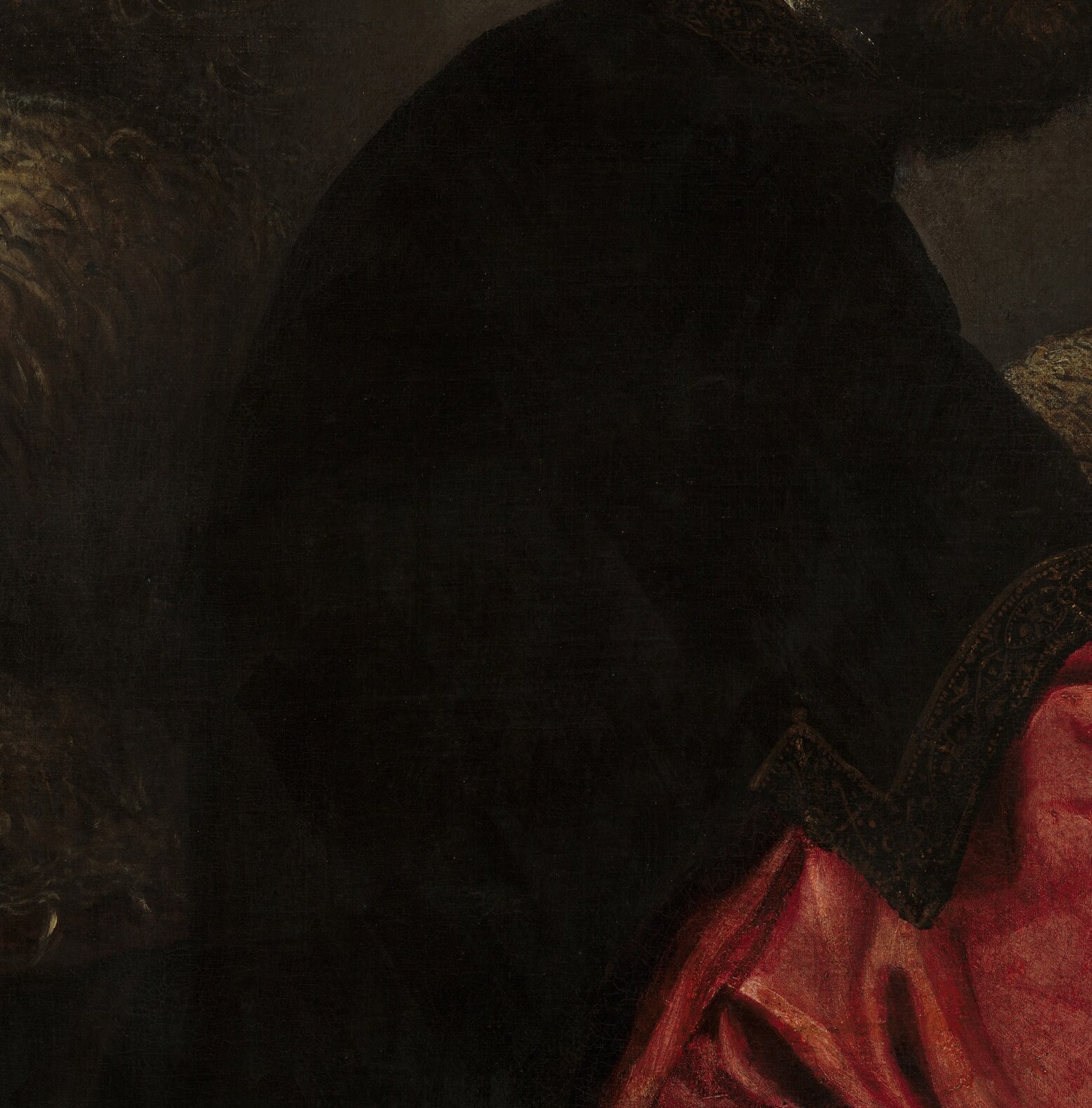
The painting lives in the tradition of Caravaggio's dramatic chiaroscuro. Light falls economically: a single stroke of impasto on the shoulder pauldron edge suggests an entire steel surface, while the red cape anchors the composition as its loudest color note. Caletti worked in the orbit of this style, using shadow to keep the sitter grounded and the saintly role aspirational.
To dress as a saint was to borrow a virtue. What identity would you choose for your own portrait, if you could be painted as anyone at all?
Details
Transcript
He wears armor. He carries a saint's banner. But this is not really Saint George. The beard, the hair, this is a specific man. In 17th-century Italy, gentlemen paid to be painted as heroes and saints. See the civilian collar under the armor. The artist used real light, one highlight makes the whole shoulder read as steel. A mortal man, wearing a martyr's story like a coat.