Landscapes in Various Styles after Old Masters by Mei Qing
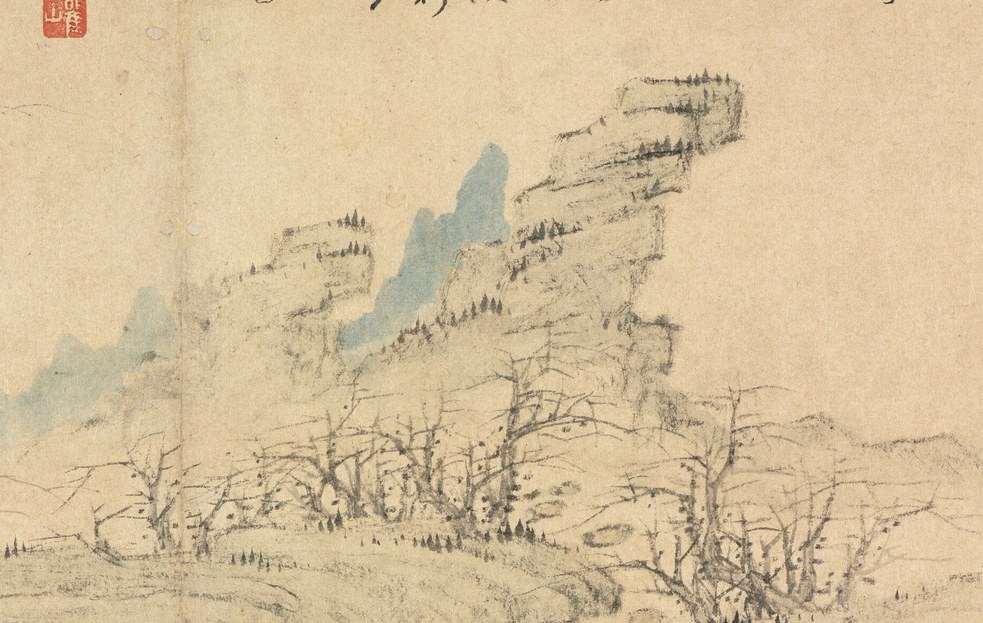
Mei Qing's "Landscapes in Various Styles after Old Masters," painted around 1690 and held at the Cleveland Museum of Art, invites us into a world of quiet contemplation, reflecting the artist's deep connection to nature.
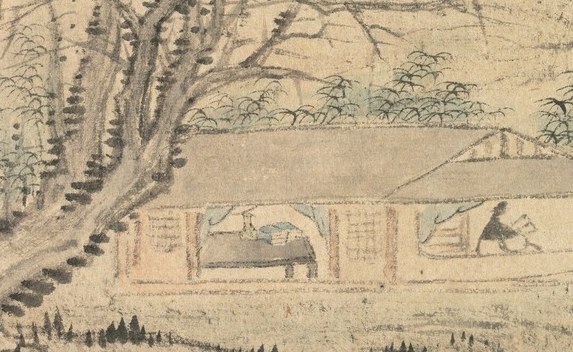
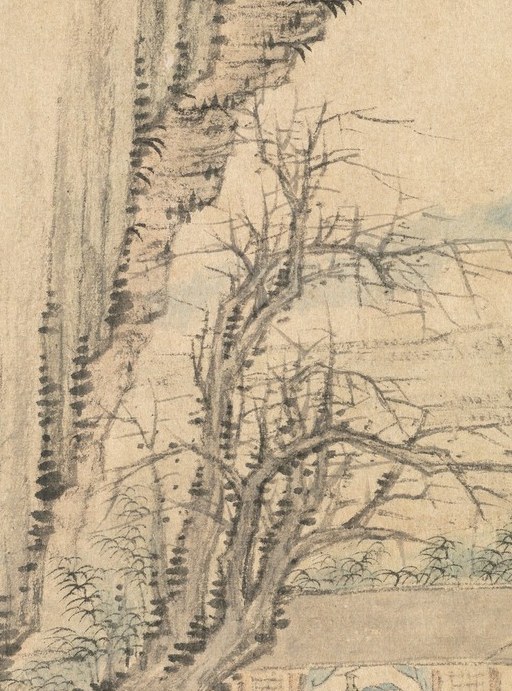
Notice the solitary scholar, nestled by a waterfall, perhaps lost in study or thought. The gnarled pine beside him is a common symbol of strength and endurance in Chinese art, echoing the enduring beauty of the landscape.
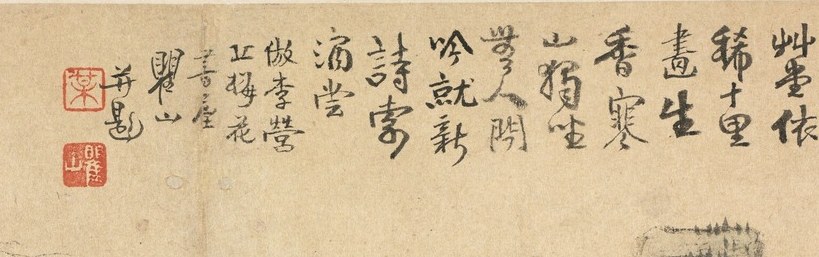
Mei Qing, a renowned painter, calligrapher, and poet of the Qing Dynasty, drew inspiration from his extensive travels to the Yellow Mountains. He often integrated his poetry directly into his paintings, blending visual and literary arts seamlessly.
This fusion of image and text offers a window into the contemplative spirit of the time. What stories do you imagine these ancient landscapes could tell?
Details
Transcript
This painter spent years in the Yellow Mountains. He painted what he saw: a world of mist and towering peaks. Here, a scholar finds solitude by a cascading waterfall. The gnarled pine, a symbol of resilience, watches over him. The artist, Mei Qing, was also a poet. He inscribed poems into his landscapes, speaking to the quiet observer.