View of the Village of Eemnes by Jordanus Hoorn (Dutch, 1753–1833)
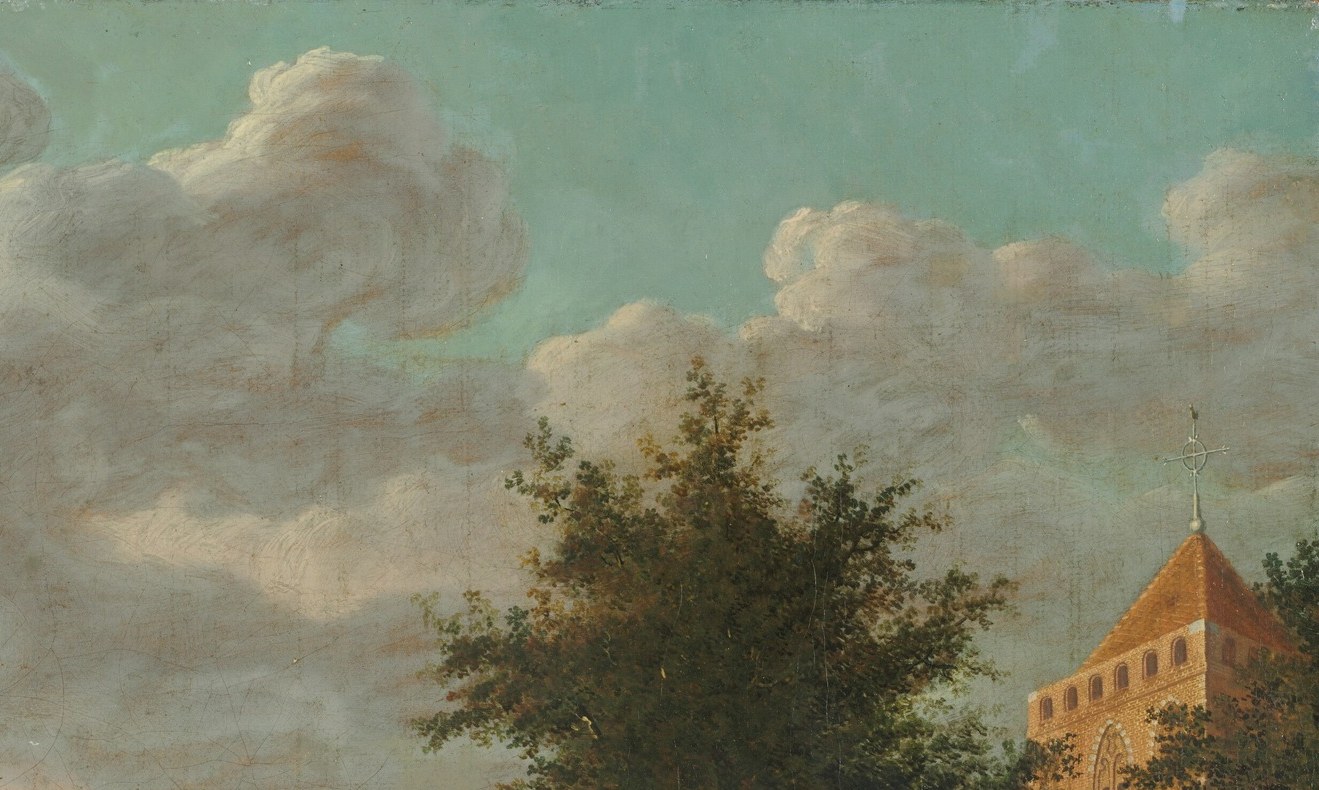
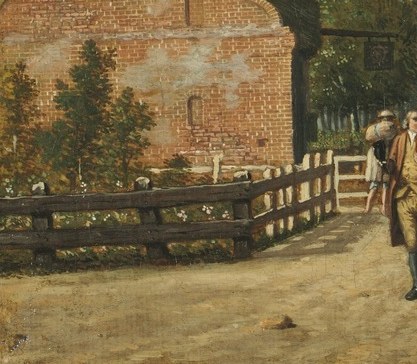
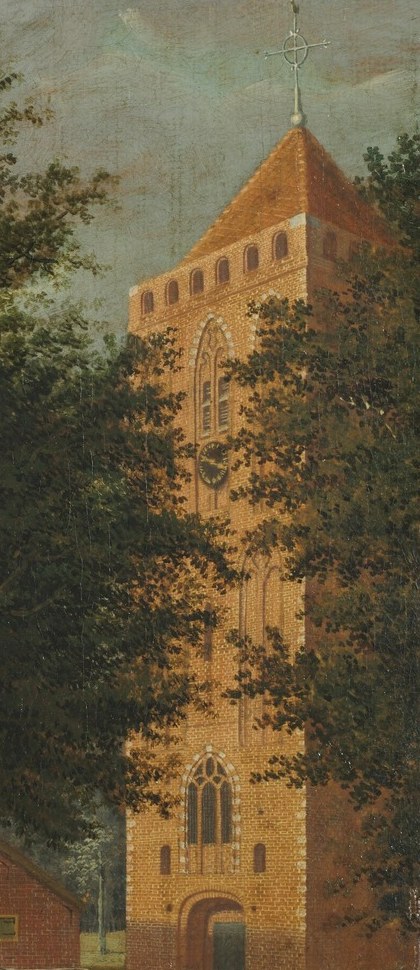
Jordanus Hoorn's "View of the Village of Eemnes," painted around 1778 and housed at The Cleveland Museum of Art, uses a technique called atmospheric perspective to create an incredibly realistic sense of depth in its dramatic sky.
Look closely at the billowing clouds; they gradually lose their sharpness and intensity as they stretch towards the horizon. This subtle blurring and lightening of colors is how the painter tricks the eye into perceiving vast distances.
Hoorn, a Dutch painter and drawing teacher, masterfully employed this optical illusion, making the painted air feel palpable and the landscape expansive. It’s a classic technique that gives the painting its tranquil and serene character.
How do these painted skies make you feel?
Details
Transcript
This painter uses the sky to make the entire landscape feel vast. Notice how the clouds recede, almost blurring into the distant light. This is atmospheric perspective, achieved through subtle shifts in color. Colors grow paler, and details soften, the further away they appear. It’s how he creates the illusion of deep, breathable air in the painting.