Self-portrait with Jan Maurits Quinkhard next to him by Julius Henricus Quinkhard
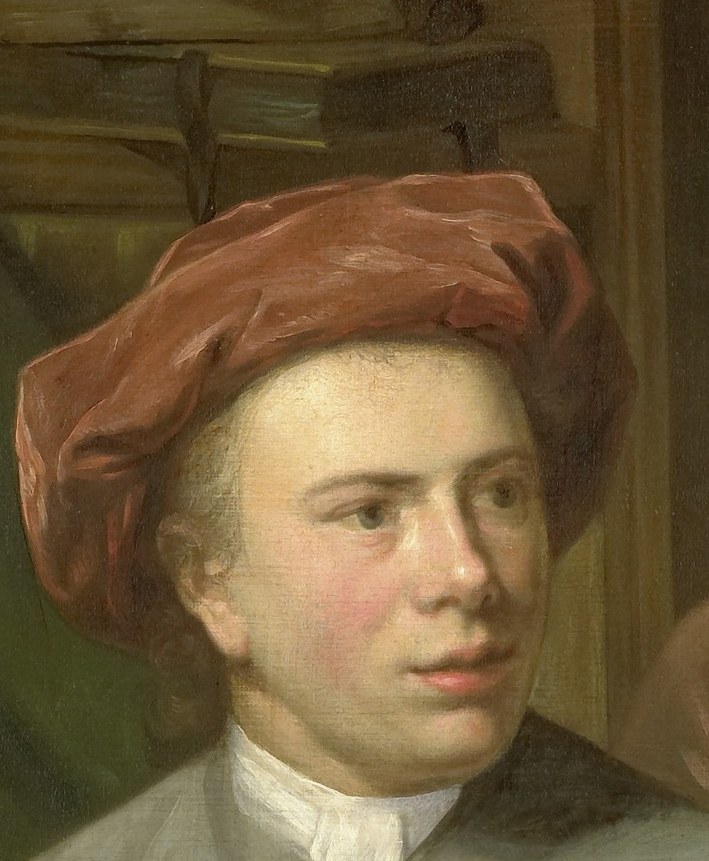
Julius Henricus Quinkhard's “Self-portrait with Jan Maurits Quinkhard next to him,” from 1757, is more than just a portrait; it's a window into the intellectual life of 18th-century Amsterdam. This oil painting, held at the Rijksmuseum, captures the artist alongside Jan Maurits Quinkhard in a setting rich with scholarly details.
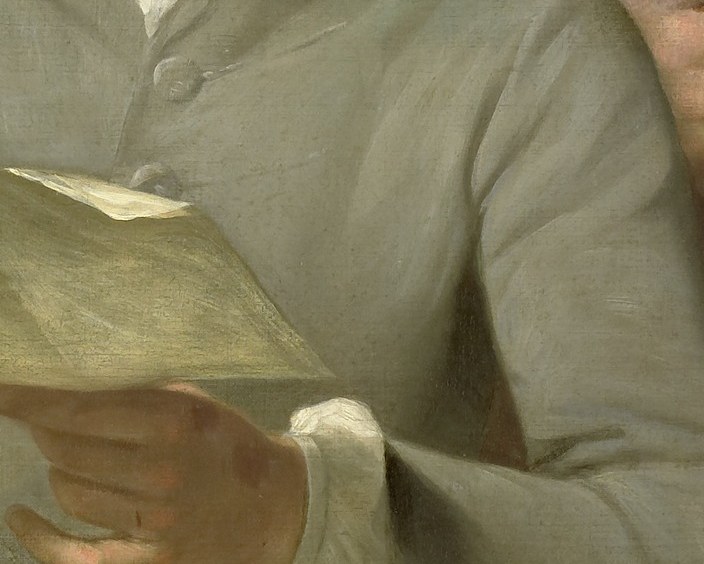
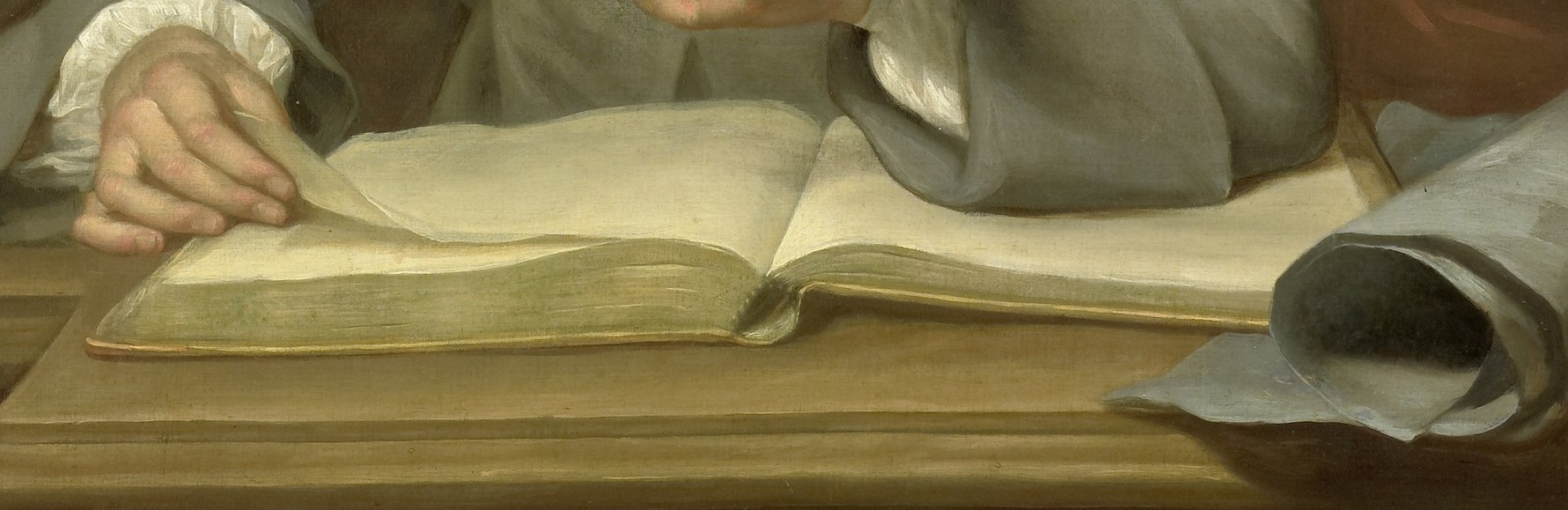
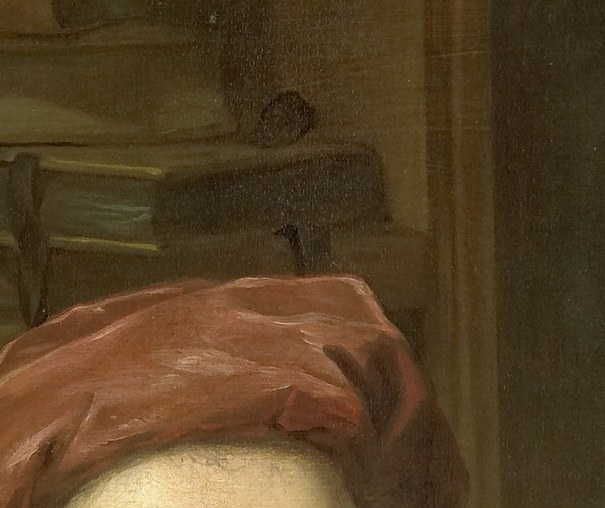
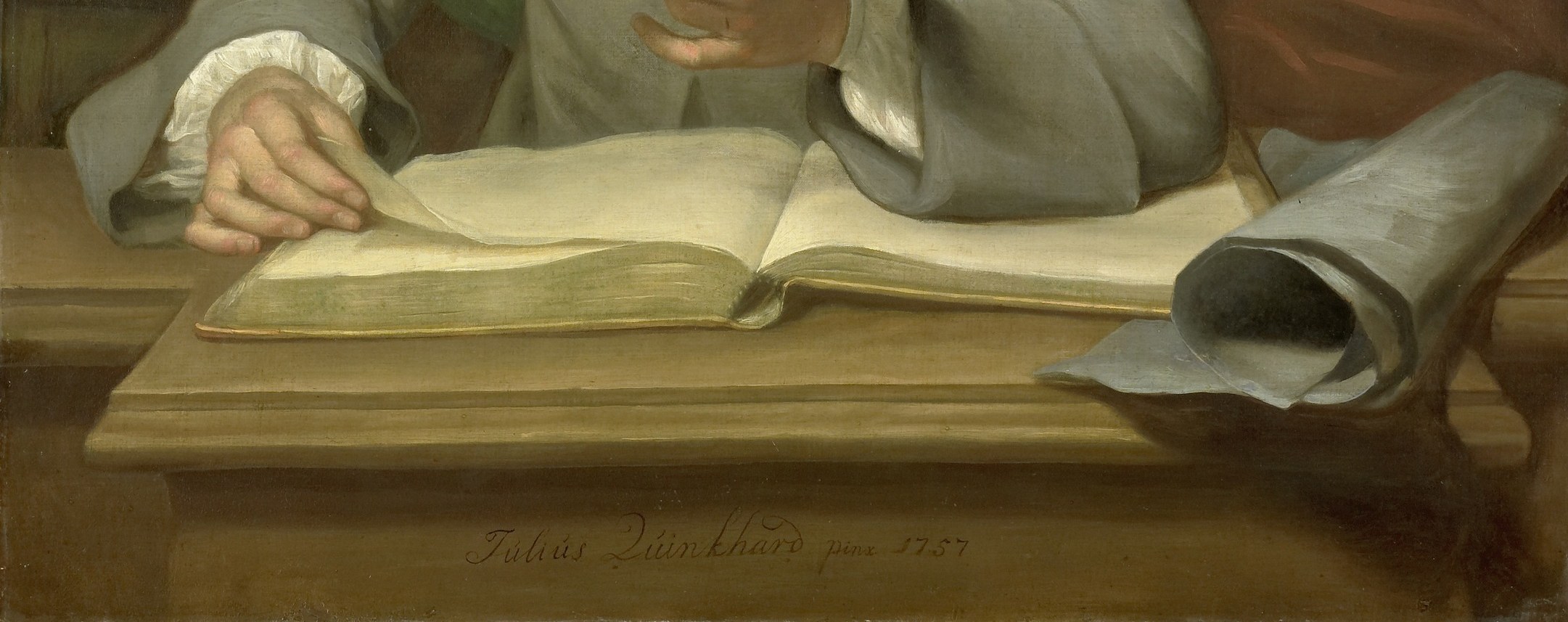
Notice the carefully rendered document in Quinkhard's hand and the open book on the table, reinforcing the theme of study. The backdrop of books on the shelf further emphasizes an environment dedicated to knowledge and intellectual exchange.
Completed in 1757, this work serves as a self-portrait, placing the artist directly within this scene of academic engagement. It offers insight into the period's artistic practices and the value placed on learning.
What details do you find most telling about their intellectual world?
Details
Transcript
This double portrait shows two men in deep discussion. The man on the left is the painter, Julius Henricus Quinkhard. He holds a document, possibly an important commission. His hands also rest on a prominent open book. These books on the shelf symbolize a life of study. Every object here tells a story about learning and intellectual pursuit.