Egyptians Raising Water from the Nile by John Singer Sargent
John Singer Sargent's "Egyptians Raising Water from the Nile," painted between 1890 and 1891, captures a profound human story of daily effort and quiet reflection. Part of the collection at the Metropolitan Museum of Art, New York City, it was created during Sargent's travels through Egypt.
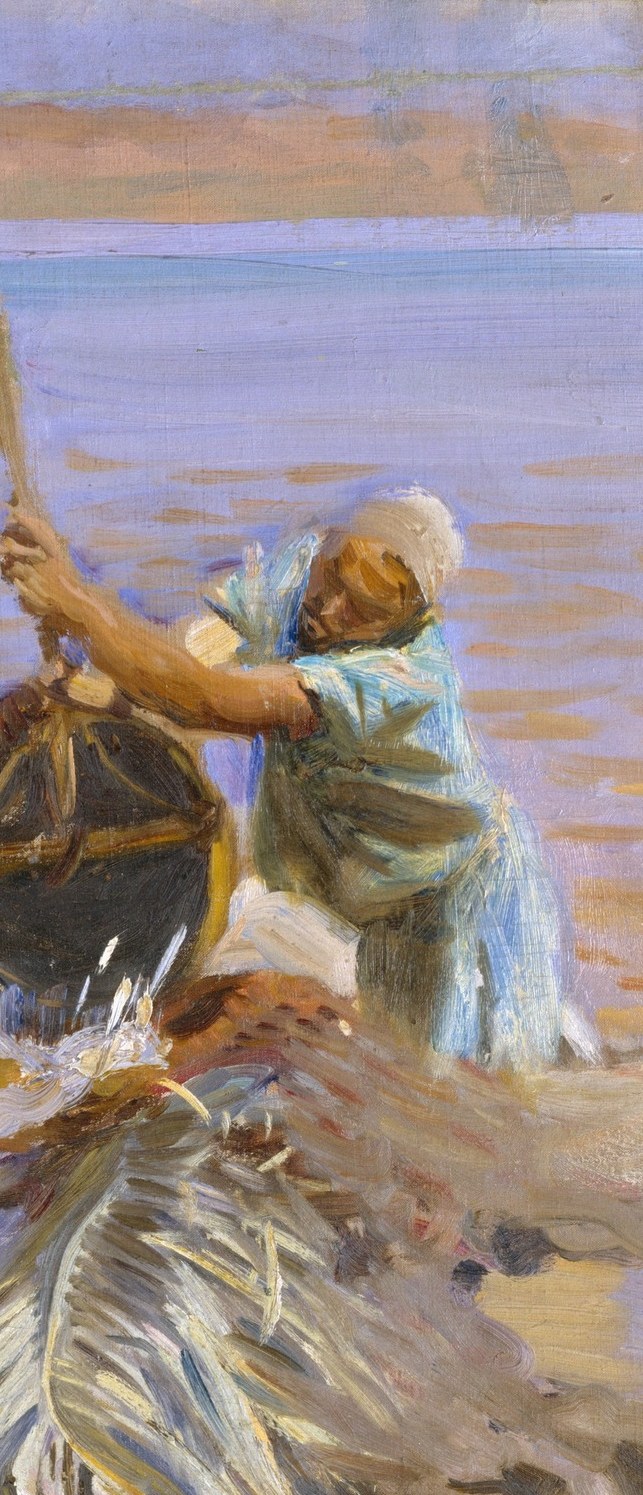
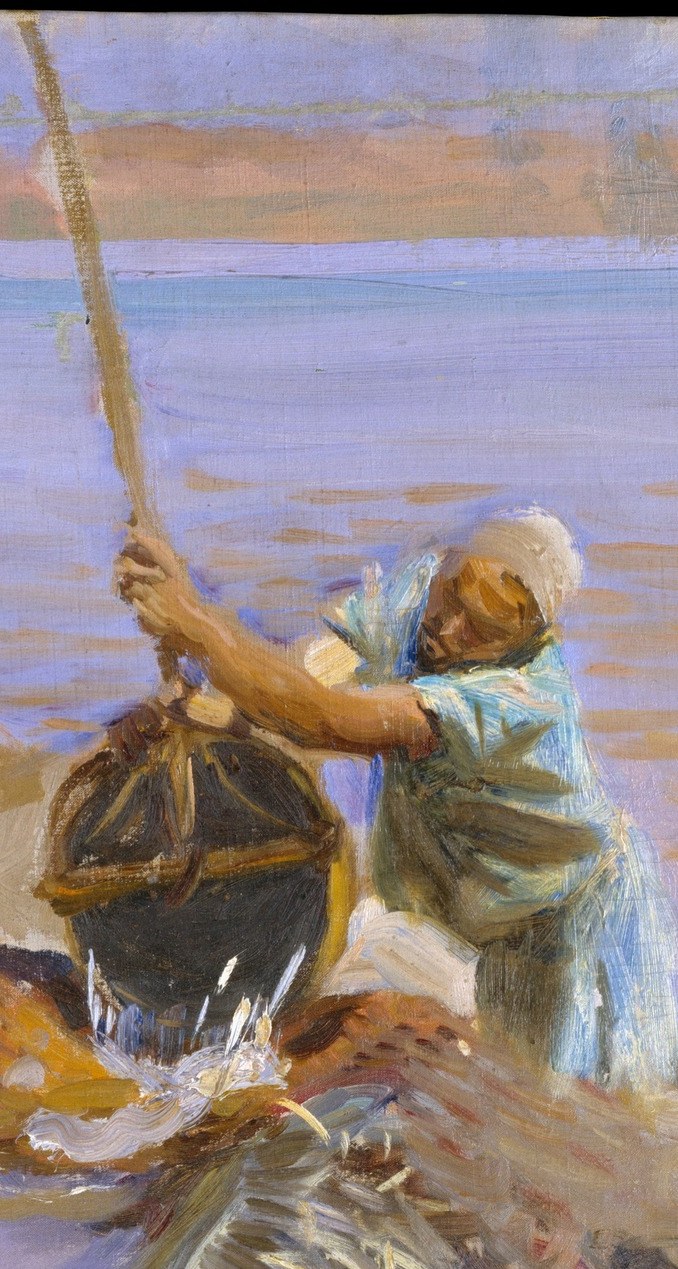
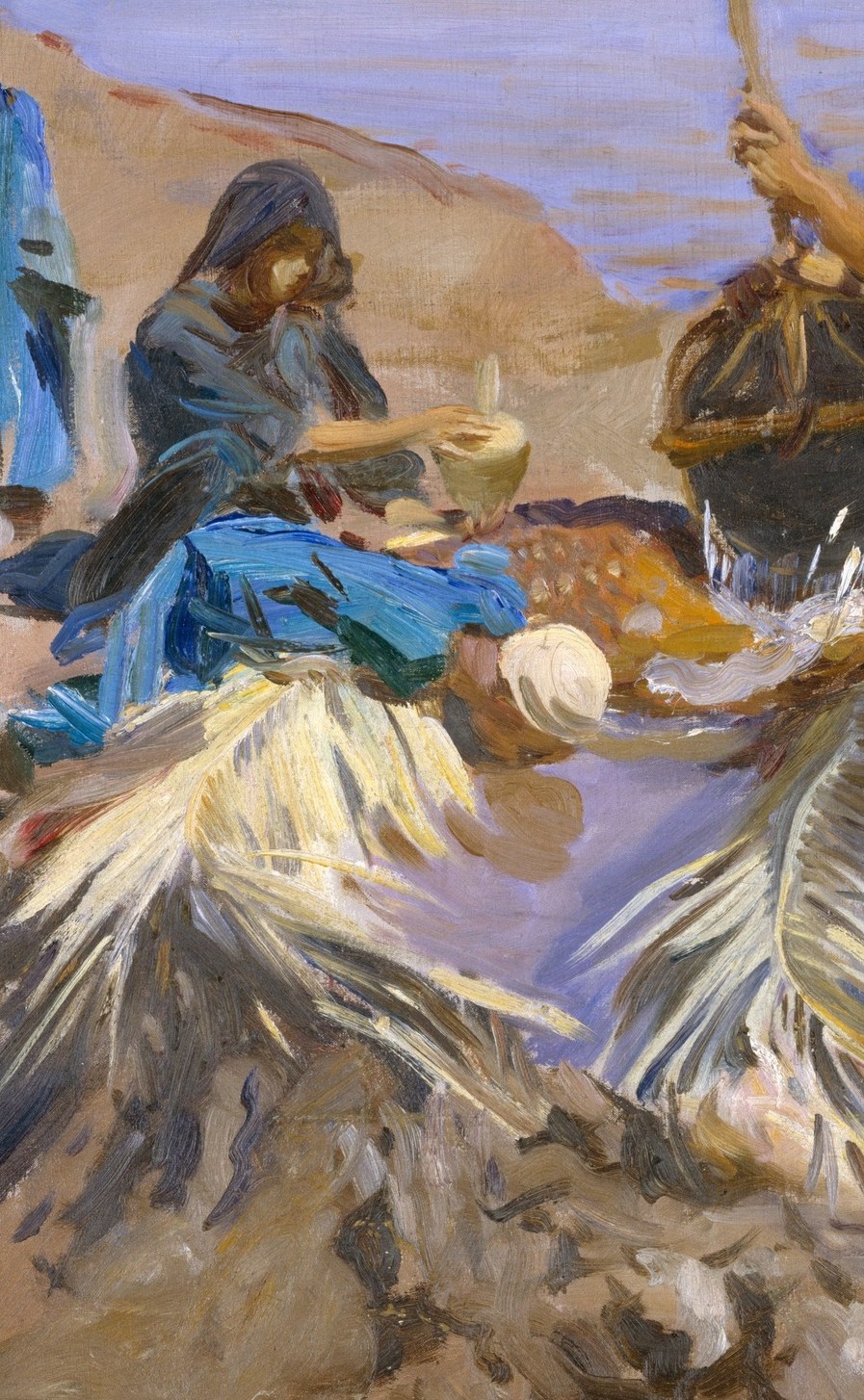
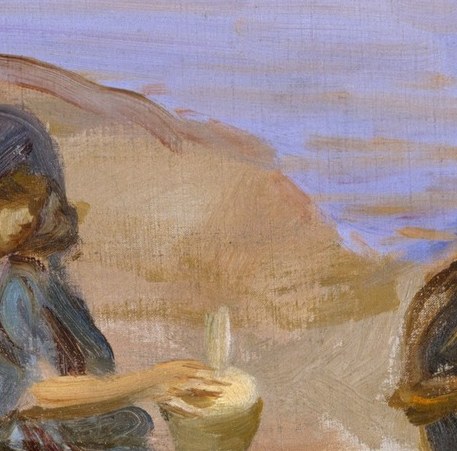
Look closely at the figures: one worker strains against the shaduf pole, a device unchanged for millennia, showing the intense physical labor involved in drawing water. The other figure, draped in deep blue, offers a counterpoint of stillness, finding a moment of rest or contemplation amidst the work.
Sargent, usually known for his portraits of Belle Époque society, made this painting during a journey commissioned by the Boston Public Library. While the commission was for murals exploring Western religion, this canvas reflects his broader engagement with the landscapes and daily lives he encountered, showcasing his ability to capture authentic human experience.
The painting's loose, expressive style and vibrant palette bring the scene to life, reminding us of the enduring rhythms of human labor and the brief, precious moments of repose within them. What story do you see in their faces?
Details
Transcript
Sargent visited Egypt for a commission, but found daily life. He captures the sheer physical toil of raising water from the Nile. The shaduf is an ancient technology, unchanged for millennia. Every muscle strains in the worker's face. But another figure nearby finds a moment of stillness. Resting, reflecting, in the hard light of the day. A complete human story, held in one fleeting moment.