Portrait of a boy with a kolf club by Wybrand de Geest
View the artwork: Portrait of a boy with a kolf club →
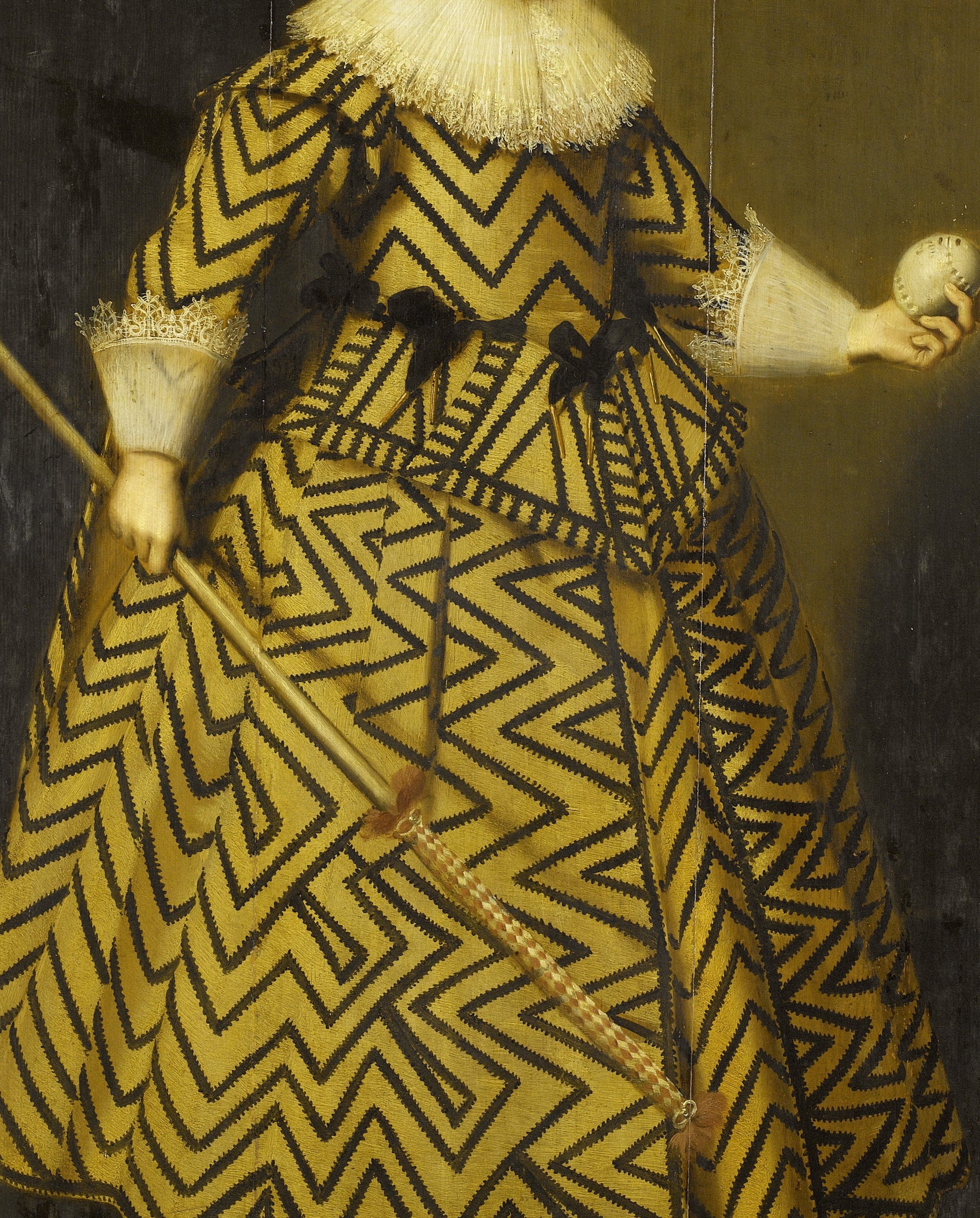
Portrait of a Boy with a Kolf Club by Wybrand de Geest (1631) hangs in the Rijksmuseum. It records a Dutch game most people have never heard of. Its descendant is golf.
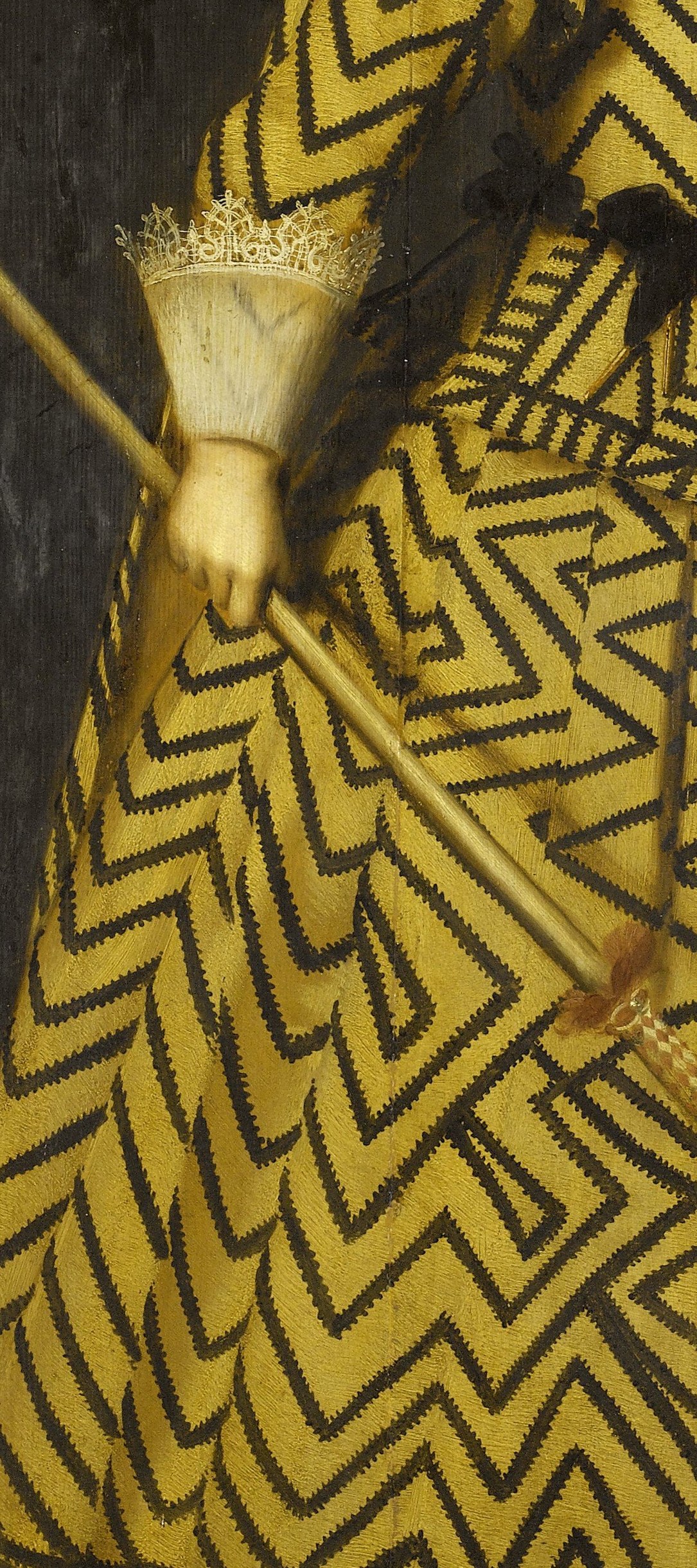
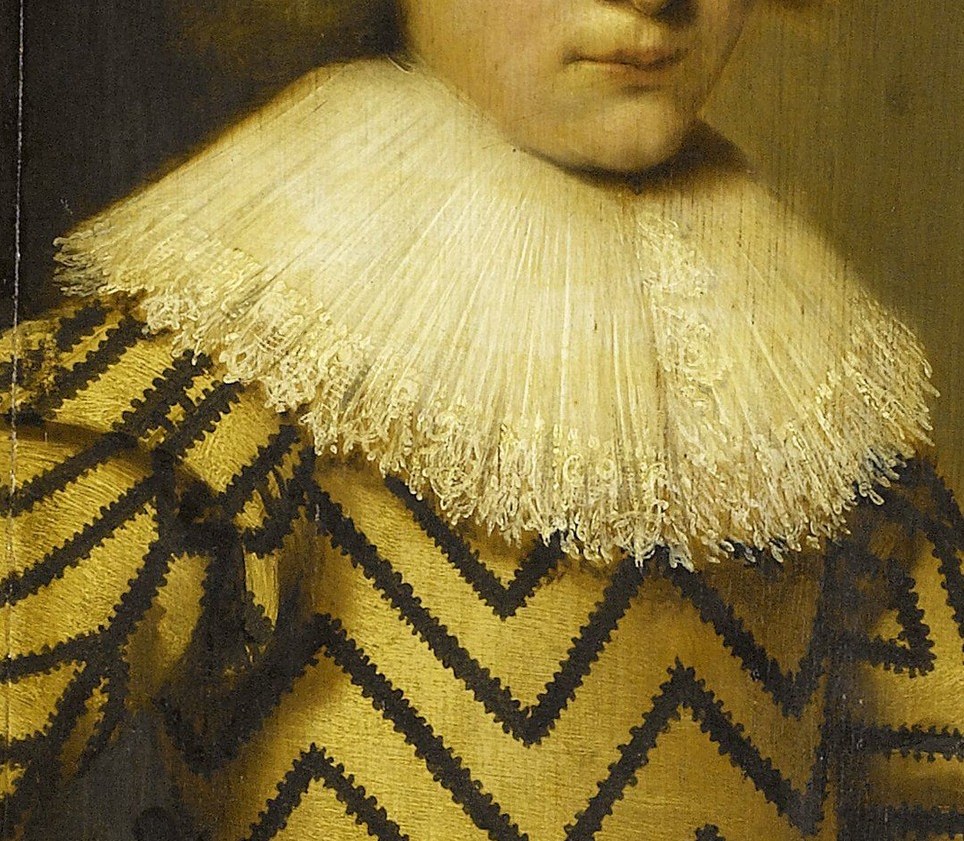
The boy wears a yellow and black zigzag costume with a crisp white ruff. In one hand is a kolf club, its curved tip catching the light. In the other, a small ball held between two fingers. His gaze is direct and steady.
Kolf was played on frozen canals and courtyards across the 17th-century Netherlands. Players struck balls toward posts or into holes using curved clubs. Scottish traders carried the game home, where it became golf. De Geest, born in Leeuwarden in 1592, painted Dutch society for decades.
Four centuries later, the boy still looks out from the canvas, club in hand. The game changed. The confidence stayed.
Details
Transcript
1631. Kolf was the Dutch game everyone played. This boy dressed for the game in yellow and black zigzags. This is a kolf club. Golf grew from this game. He holds the ball between two fingers, ready to strike. Wybrand de Geest painted him. Four centuries later, he still looks.