Head of Saint John the Baptist by http://www.wikidata.org/.well-known/genid/a4ff1f1966104de92ea36e0d68731781
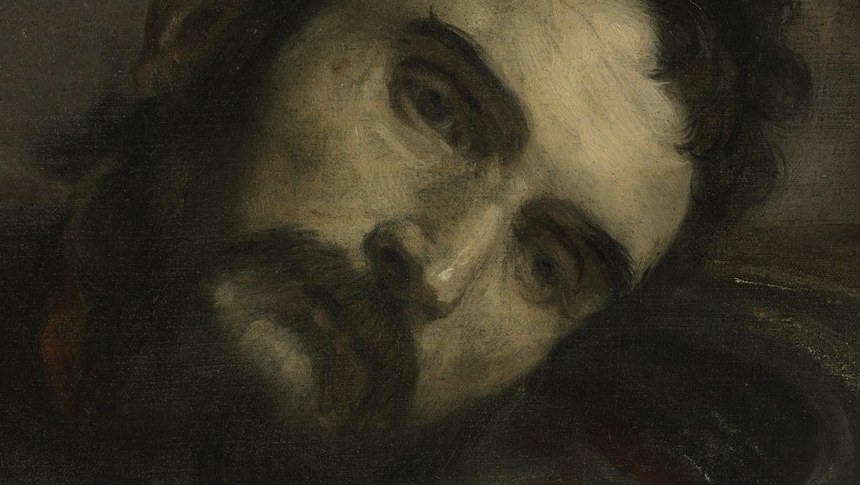
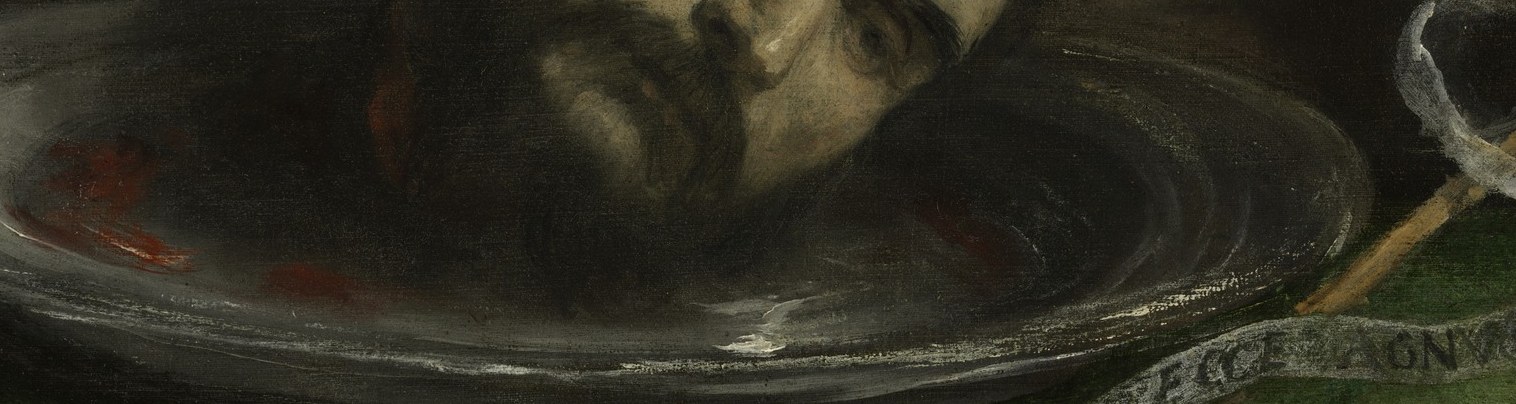
This painting, Head of Saint John the Baptist, by a notable artist in 1650, caused a major scandal. Its unvarnished depiction of a severed head was considered too brutal for public display, leading to outrage and the artist's ruin. The work shows the head of Saint John the Baptist, rendered with stark lighting and intense shadows. Notice the pallid complexion and the deep shadows under his eyes, emphasizing suffering. The crimson stain on the metallic dish and the disheveled hair further amplify the gruesome reality of his martyrdom. The critics at the time found this level of visceral detail barbaric and obscene. The painting's debut led to public outrage and significantly damaged the artist's reputation. It is a powerful example of how art can challenge societal norms and provoke strong reactions. What does this visceral realism reveal about the period's sensibilities?
Details

Transcript
A common subject: Saint John the Baptist. But this painter shows the full horror. Look at the deep shadows under his eyes. The stark lighting made the face seem dead. And a crimson stain on the metallic dish. Critics called the realism barbaric and obscene. His reputation was ruined after this debut.