Fishing Boats on calm Water by Anthonie Waldorp
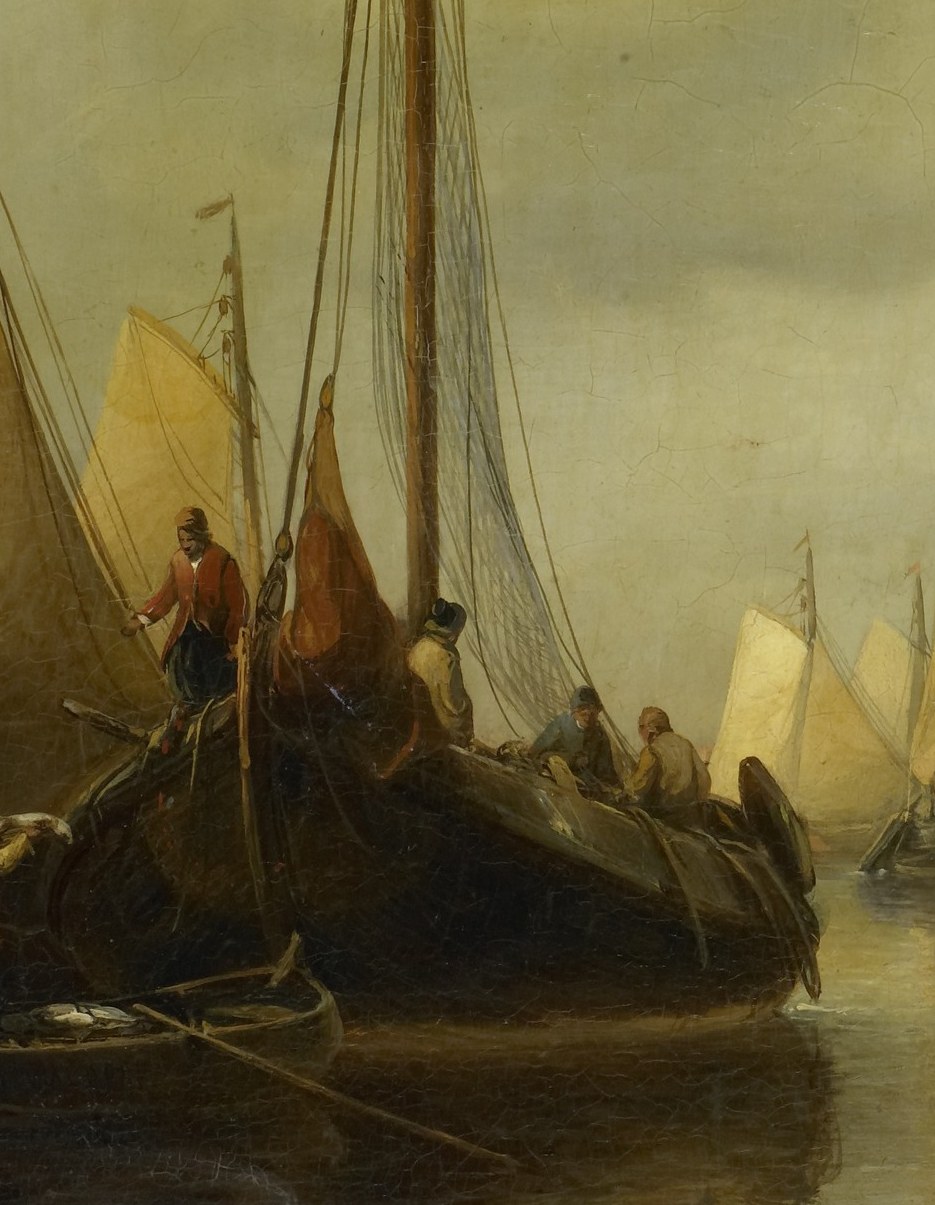
Fishing Boats on Calm Water by Anthonie Waldorp, around 1850, is a modest painting with a quiet importance. It marks the moment Dutch painters left their studios to work from the world outside. Now in the Rijksmuseum.
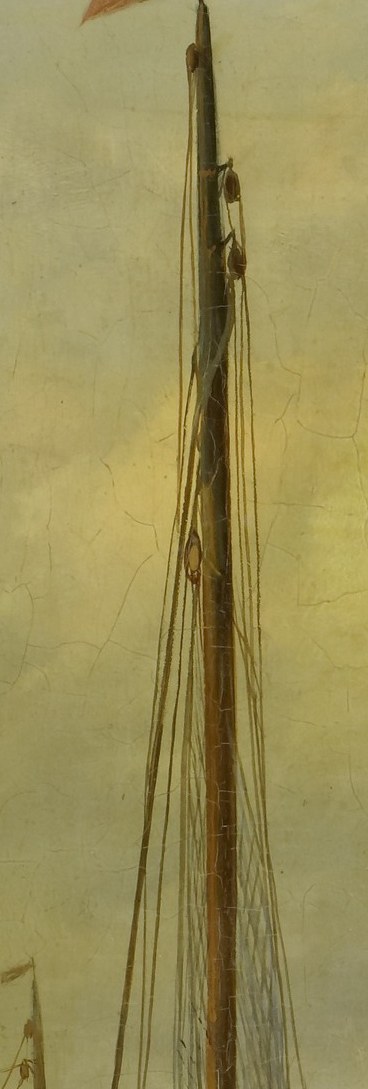
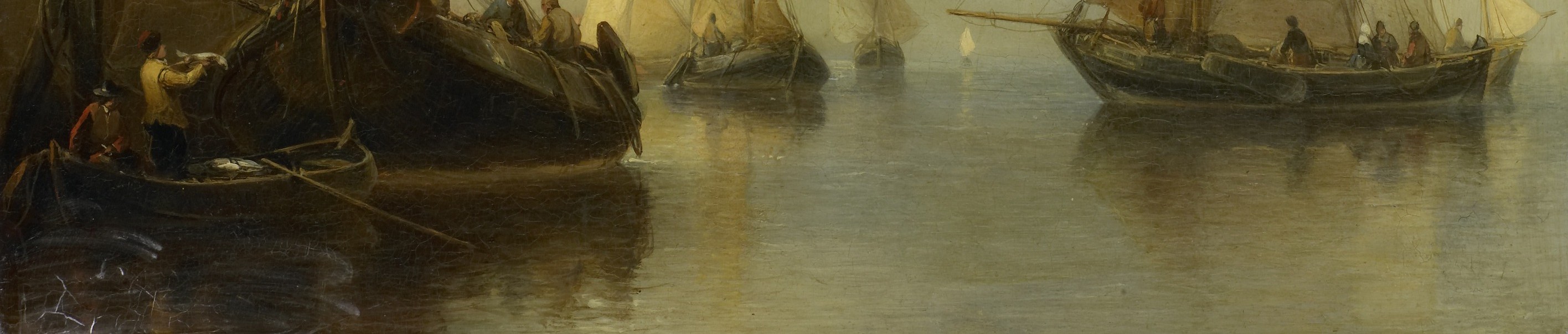
Look at the textured hull of the main boat, painted with visible brushwork that suggests real weather. The man in the red jacket is likely the captain, but Waldorp gives him no drama. The still water and its subtle reflection trust nature to be enough. Nothing here is invented; everything is observed.
This approach came from the French Barbizon School, which taught painters to work outdoors from direct observation. Waldorp brought it home and became a forerunner of the Hague School, a movement that reshaped Dutch painting around ordinary life and real light.
It looks quiet today. But in 1850, this plain way of painting was a small revolution. What changed when painters finally walked outside?
Details
Transcript
Around 1850, Dutch painting quietly left the studio. Painters went to harbors. They painted what was there. The Barbizon School taught this: paint from life, outdoors. A fisherman in a red jacket. Nothing more, nothing less. He helped start the Hague School. This is what it looked like.