A Woman Feeding a Parrot, with a Page by Netscher, Caspar
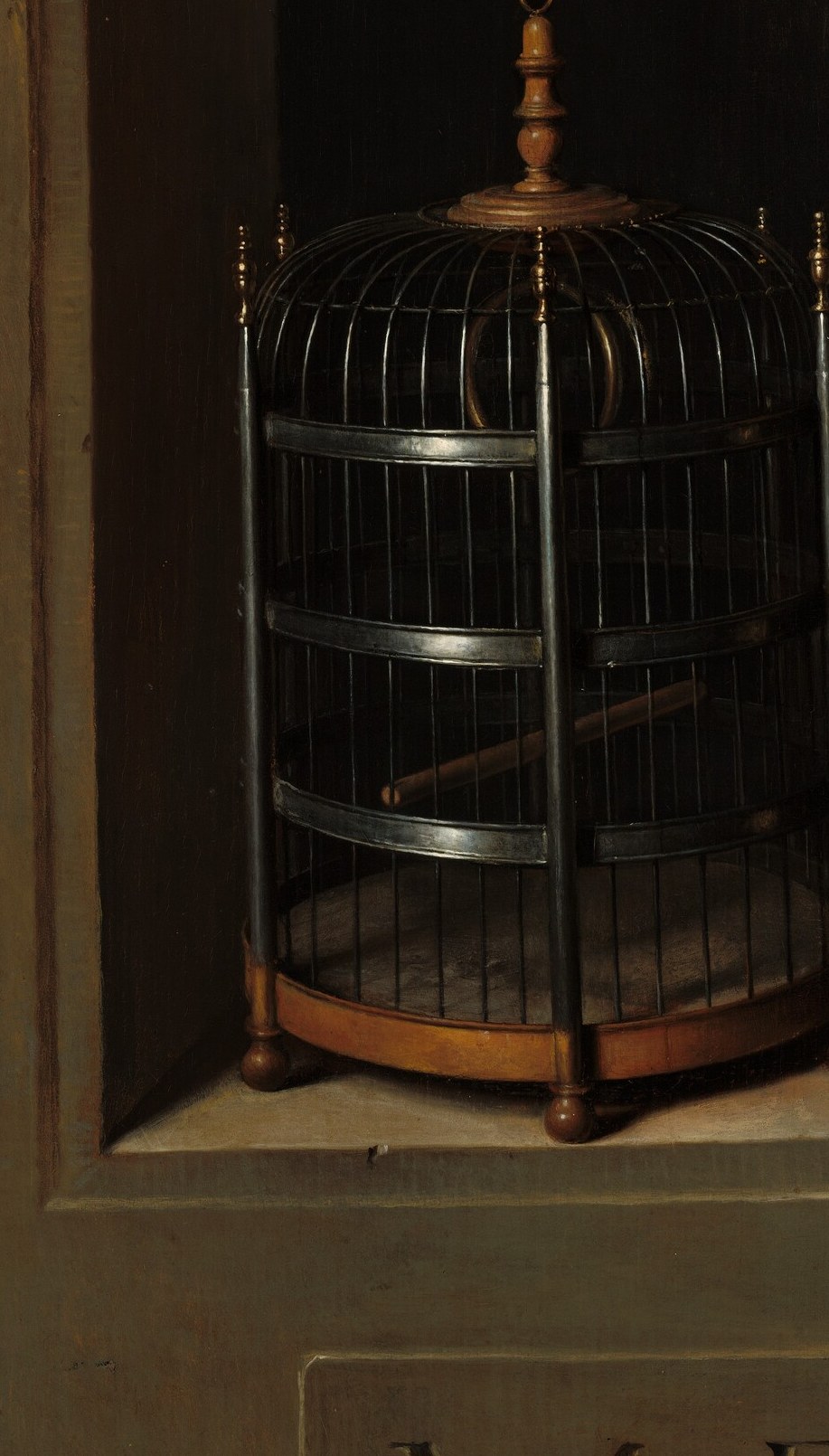
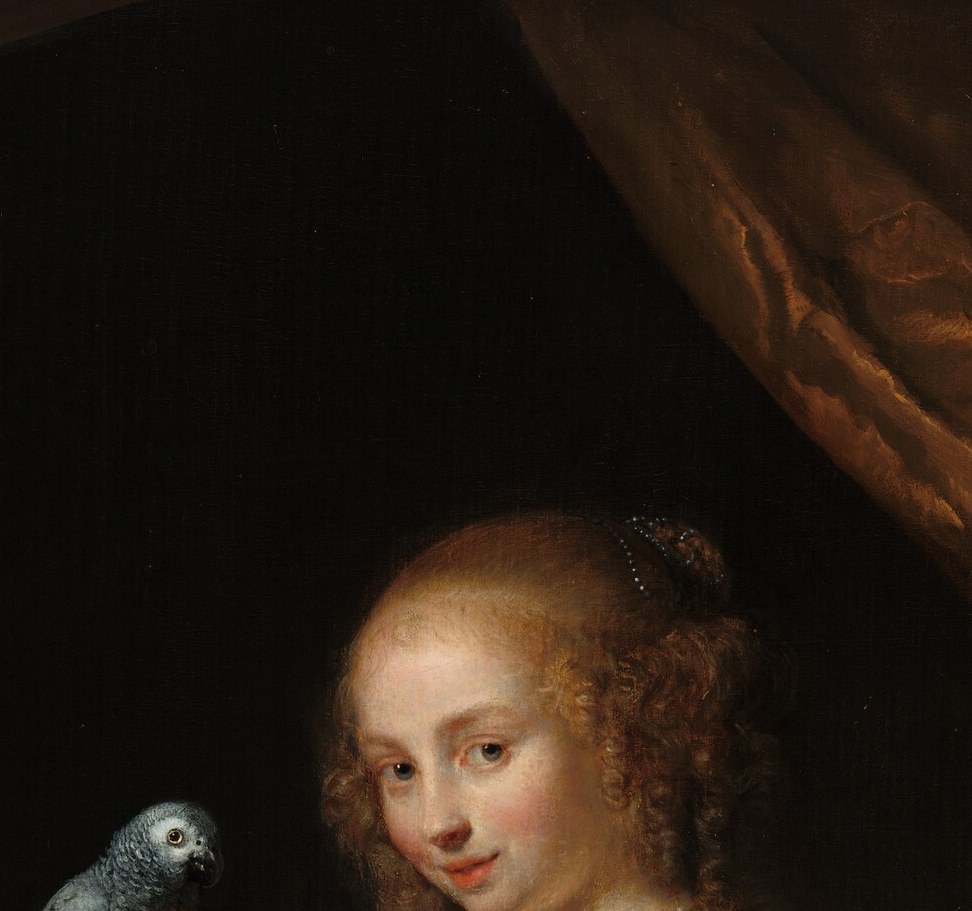
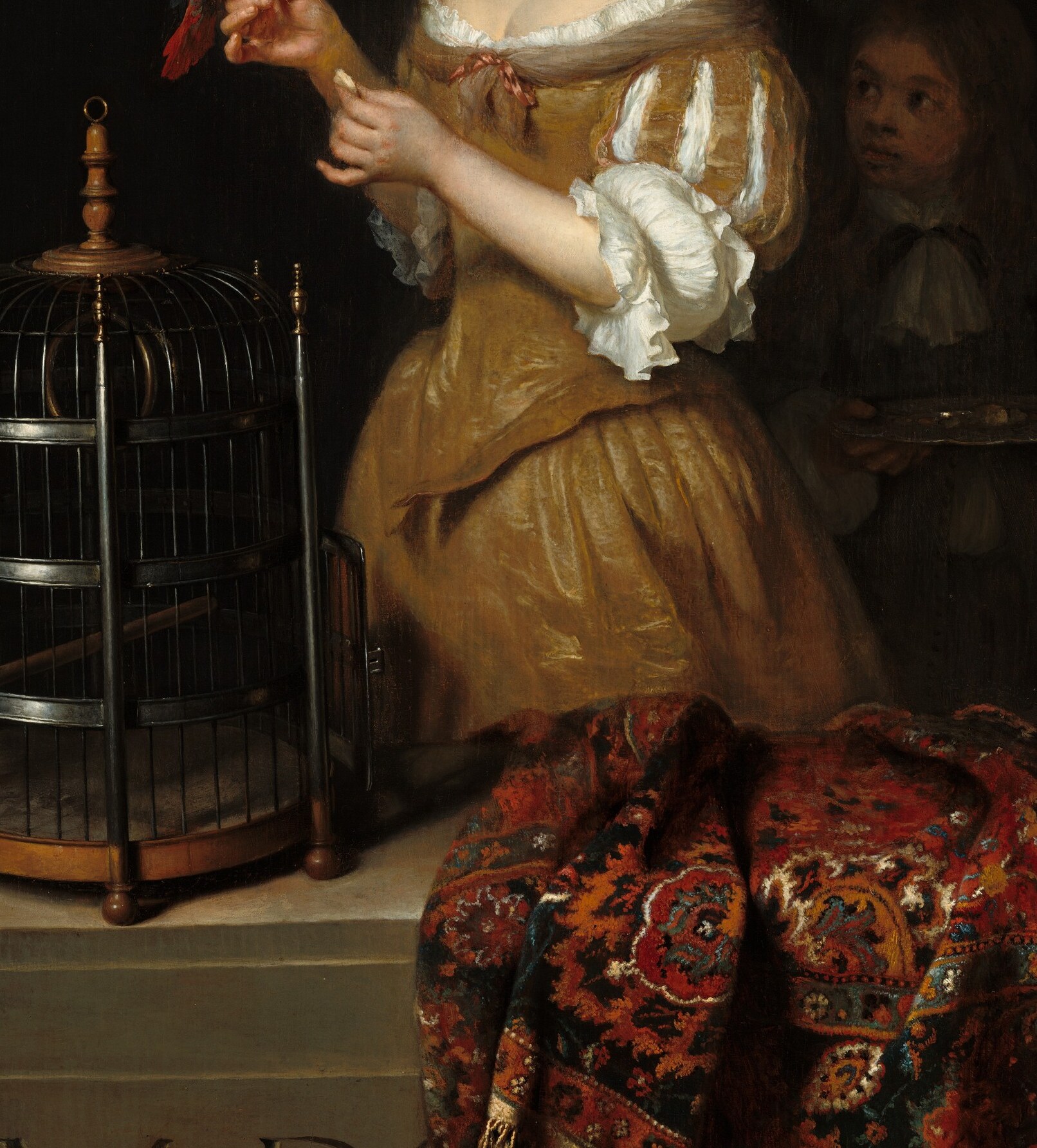
This is Caspar Netscher's "A Woman Feeding a Parrot, with a Page," painted in 1666 and now in the National Gallery of Art in Washington, D.C. The first thing most people miss: the large metal birdcage standing at the woman's side is completely empty. The parrot is not locked in. It sits on her offered hand by choice.
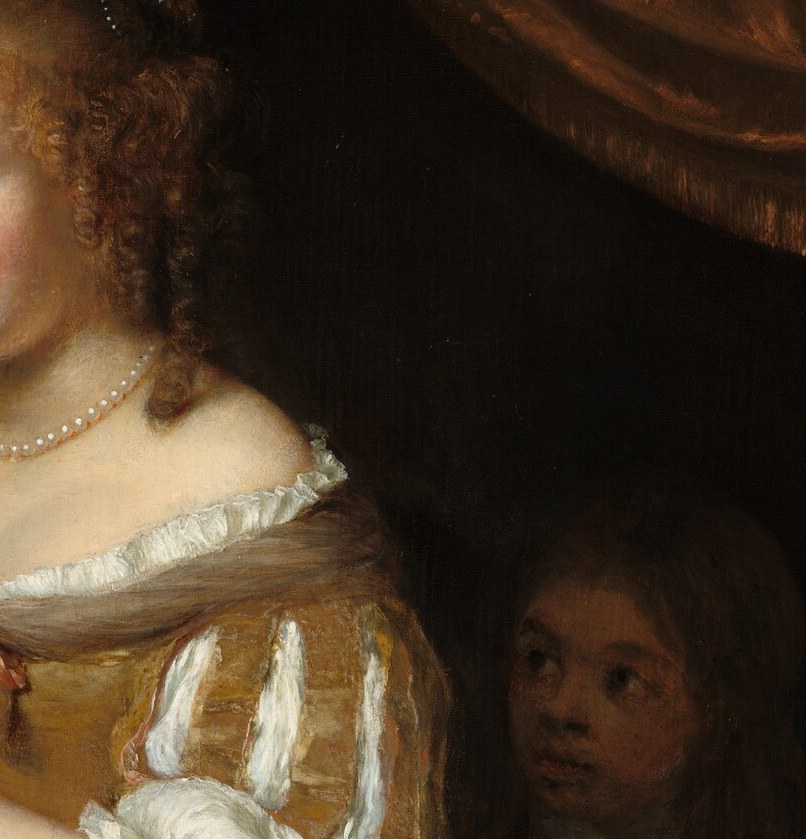
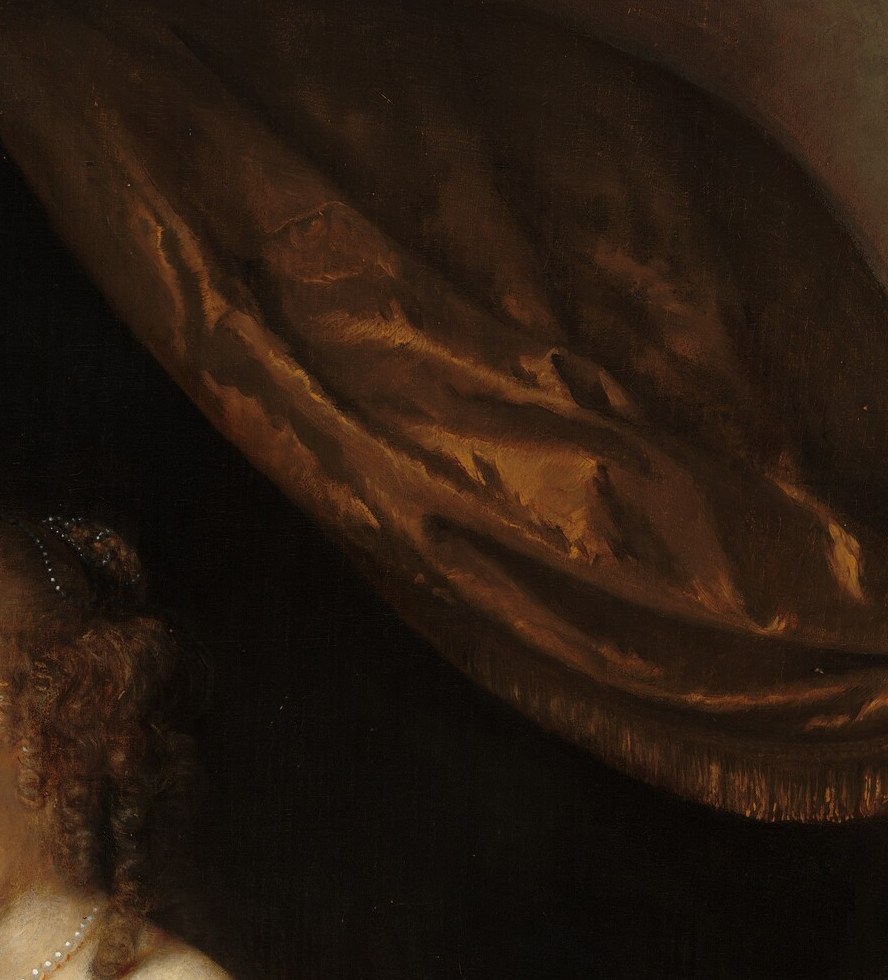
Netscher was a master of texture and understated inversion. Your eye goes to the satin, the lace, the soft exchange of a treat. But if you look at the empty cage and then back at the woman's face, the dynamic shifts. The bird, in Dutch iconography, often stood for imitation and flattery. This one holds the compositional apex of the painting, and it is completely free.
The painting entered the National Gallery's collection in 2016. Netscher himself spent most of his career in The Hague, dying just shy of 45, but he left behind these small, highly polished works that reward a second glance. He painted wealthy merchants, but he seemed to enjoy catching them in moments of unguarded calm, always with a glint of daylight on a pearl or a feather.
Next time you see a Dutch genre scene, look for the open doors and empty cages. The freedom is often hiding in plain sight.
Details
Transcript
You might think this is a simple portrait of a lady and her pet. She offers a treat, and the parrot seems tame. But notice what stands directly beside her. The birdcage is there. And it is wide open. The bird is not a prisoner. It chose to perch on her hand. In the Dutch Golden Age, a parrot was an imported luxury. But in symbol, it stood for imitation and flattery, a mirror. So the question hangs: who is really imitating whom?