An Old Man with a Dog by Giacomo Ceruti
Giacomo Ceruti's An Old Man with a Dog (1744) hangs in The Metropolitan Museum of Art, a quiet outlier in an age that preferred polished surfaces. In 18th-century Italy, the art market ran on commissions from the church and the aristocracy. Patrons wanted history paintings, religious scenes, and flattering portraits of themselves. Ceruti, instead, painted the people no one commissioned: the old, the poor, the laboring class. He earned the nickname Pitocchetto, little beggar, for his choice of subjects.
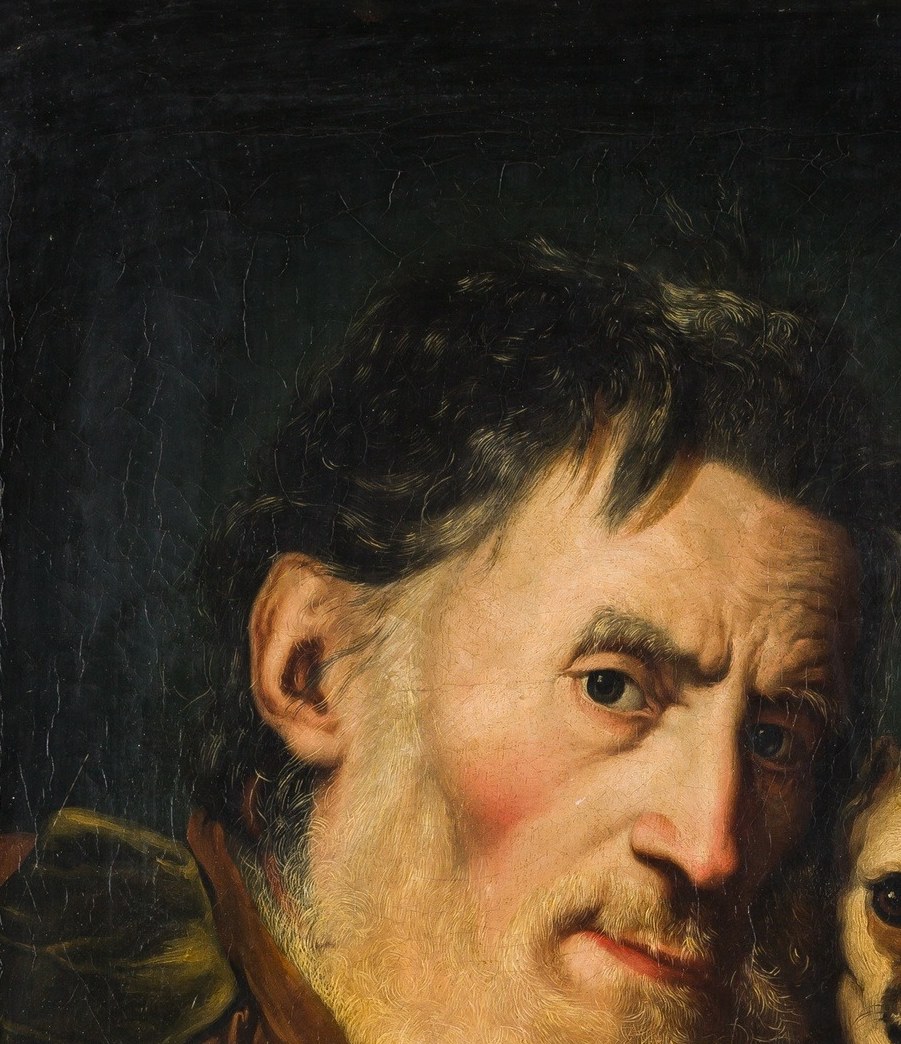
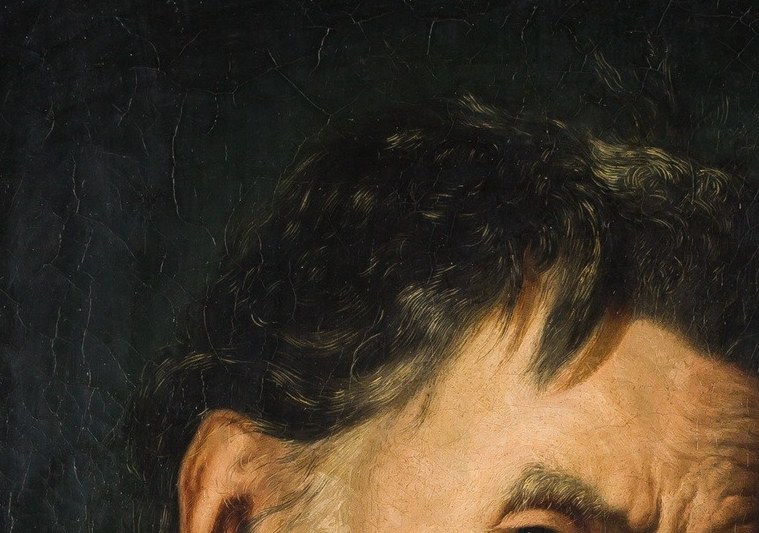
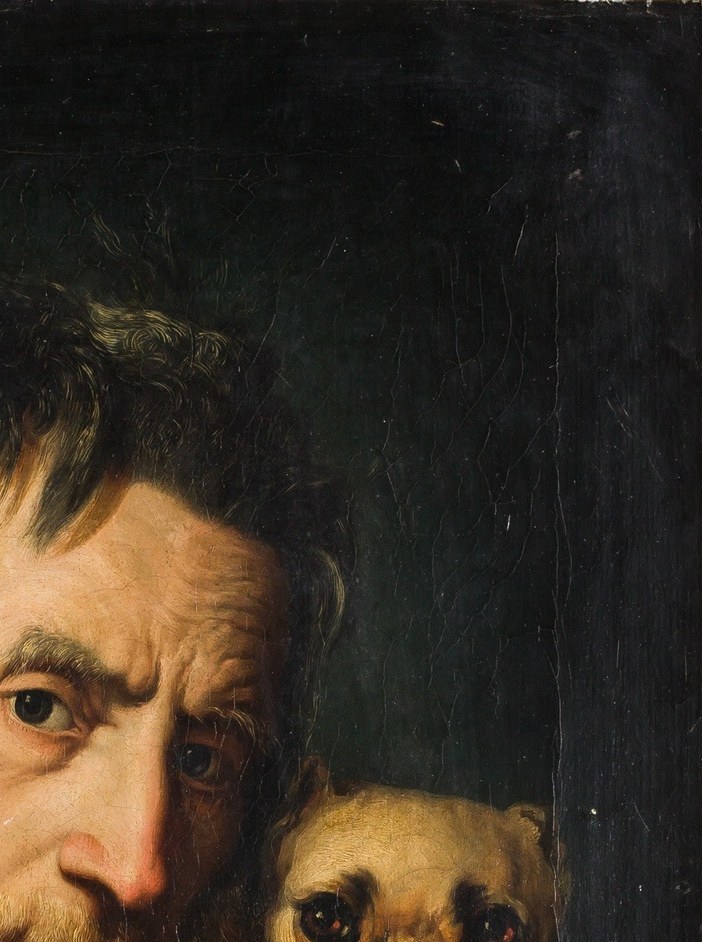
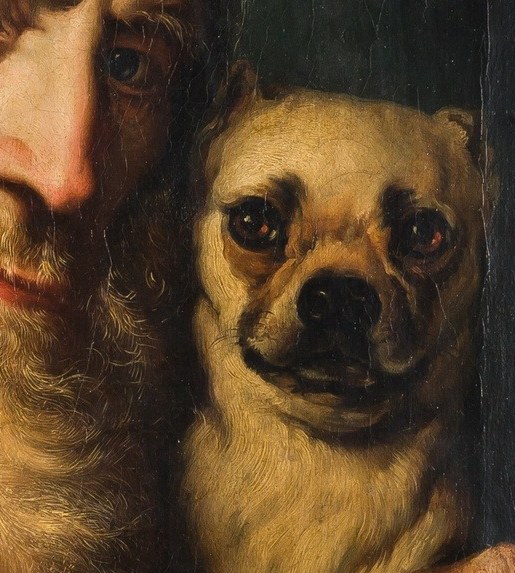
Look first at the old man's face. The red-rimmed eyes, the open mouth with darkened teeth, the deep creases carved into the forehead. Ceruti refused every convention of idealization. Then find the dog. The pug looks directly at us while the man's gaze drifts away, a reversal that raises the question of who is truly present in the room. The paw resting on the man's shoulder is the painting's emotional core: a single point of contact that says everything about companionship and isolation.
Ceruti was active in Northern Italy, working across Brescia, Bergamo, and Milan. His scenes of beggars, pilgrims, and laborers stand against the Rococo taste for aristocratic leisure. He found patronage but never fame on the scale of his contemporaries. His empathy for marginalized figures was a commercial gamble, and one that kept him on the margins himself. Today, his work is valued for precisely what the 18th century overlooked: an honest, unflinching record of ordinary life.
This is not a portrait of poverty. It is a portrait of a person, rendered with the same gravity any duke would demand. The dog does not judge him. Ceruti asks us to do the same.
Details
Transcript
No one in 18th-century Italy wanted to look at poverty. Patrons paid for gods and aristocrats, not weathered skin. But this painter earned his nickname, Pitocchetto, the little beggar. He gave every furrow and cracked lip the dignity of a duke's portrait. The pug meets our eyes. The man does not. And that paw is the only comfort he has. Ceruti made this for a market that barely existed. A risk that never paid off in his lifetime.