The Eel Gatherers by Corot, Jean-Baptiste-Camille
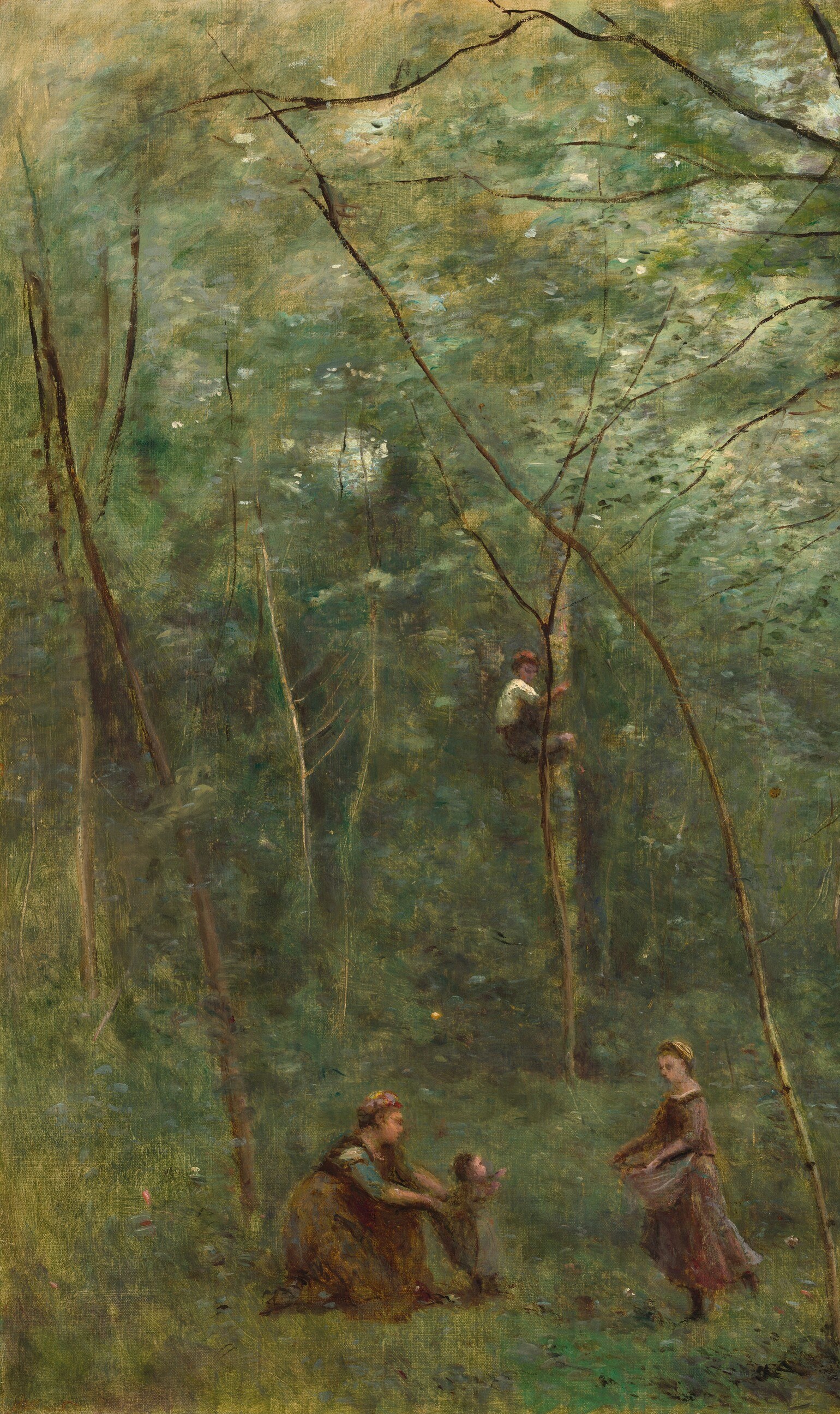
Jean-Baptiste-Camille Corot's "The Eel Gatherers," painted around 1862, is a beautiful example of the Barbizon School's focus on naturalistic depictions of rural life. This oil on canvas, housed in a prominent collection, showcases Corot's mastery of light and atmosphere.
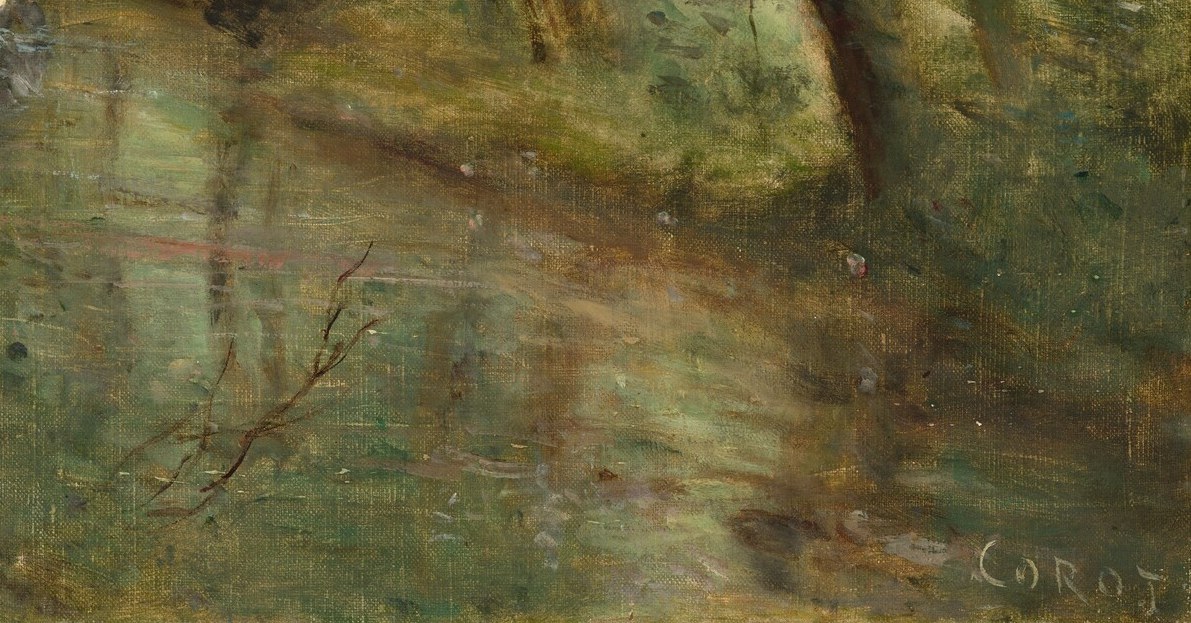
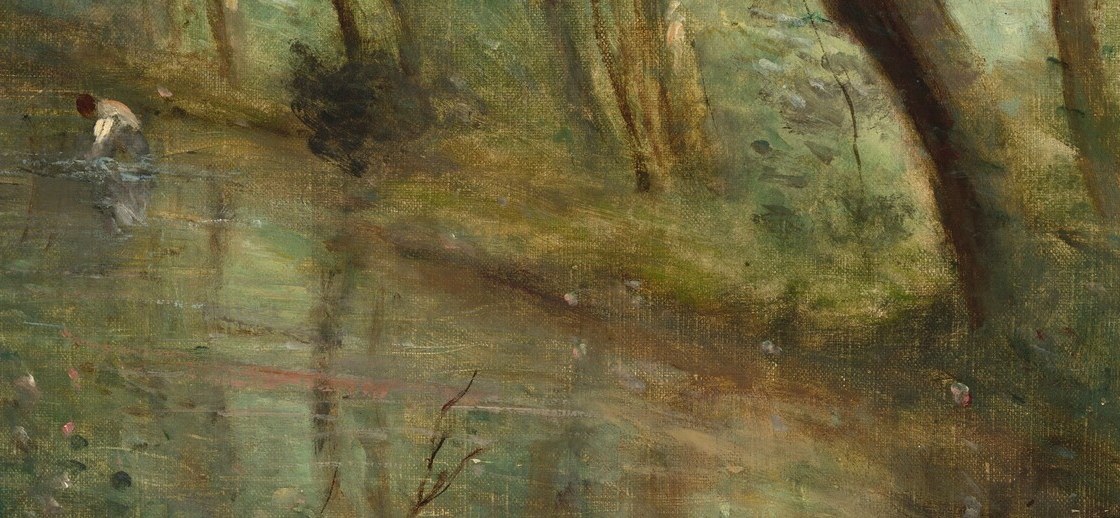
Observe the two women by the stream, quietly engaged in gathering eels. Corot's brushwork allows sunlight to filter through the dense foliage, creating a sense of dappled light that feels truly alive on the ground and in the water's reflections.
Corot was a pivotal figure, bridging Neo-Classical painting with the emerging plein-air techniques that would define Impressionism. He painted outdoors, relying on memory and emotional response to capture the subtle beauty of nature, rather than relying on photographic references.
This painting invites us to pause and appreciate the tranquil beauty of everyday life, reminding us how artists captured the world before cameras were common. What quiet moments do you find yourself drawn to?
Details
Transcript
This painter was a master of quiet light. Here, women gather eels by a sun-dappled stream. Their movements are gentle, blending into the landscape. He painted outdoors, capturing light and memory, not photographs. His art bridged old traditions and new Impressionist ideas. Look closely, and you feel the soft light on moss.