Portrait of a Man by French 17th Century
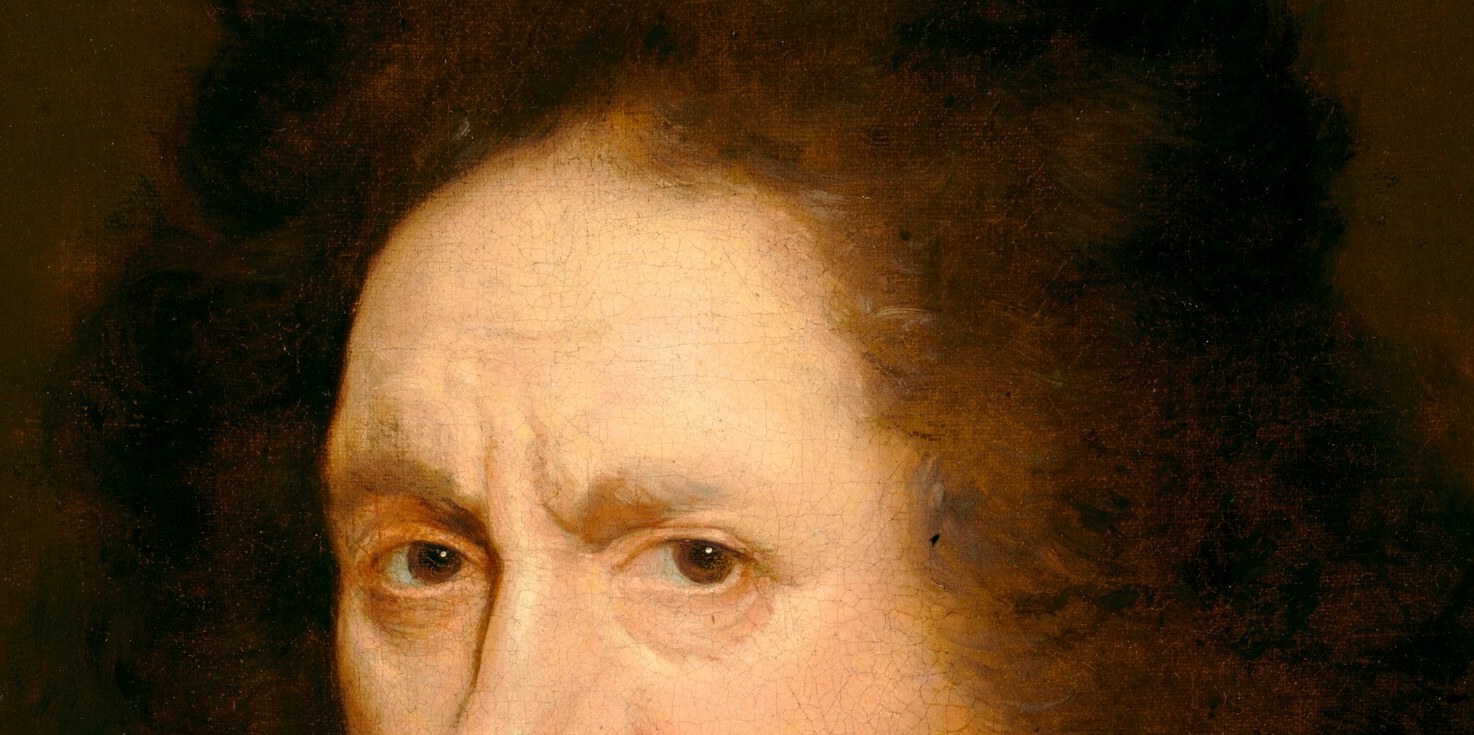
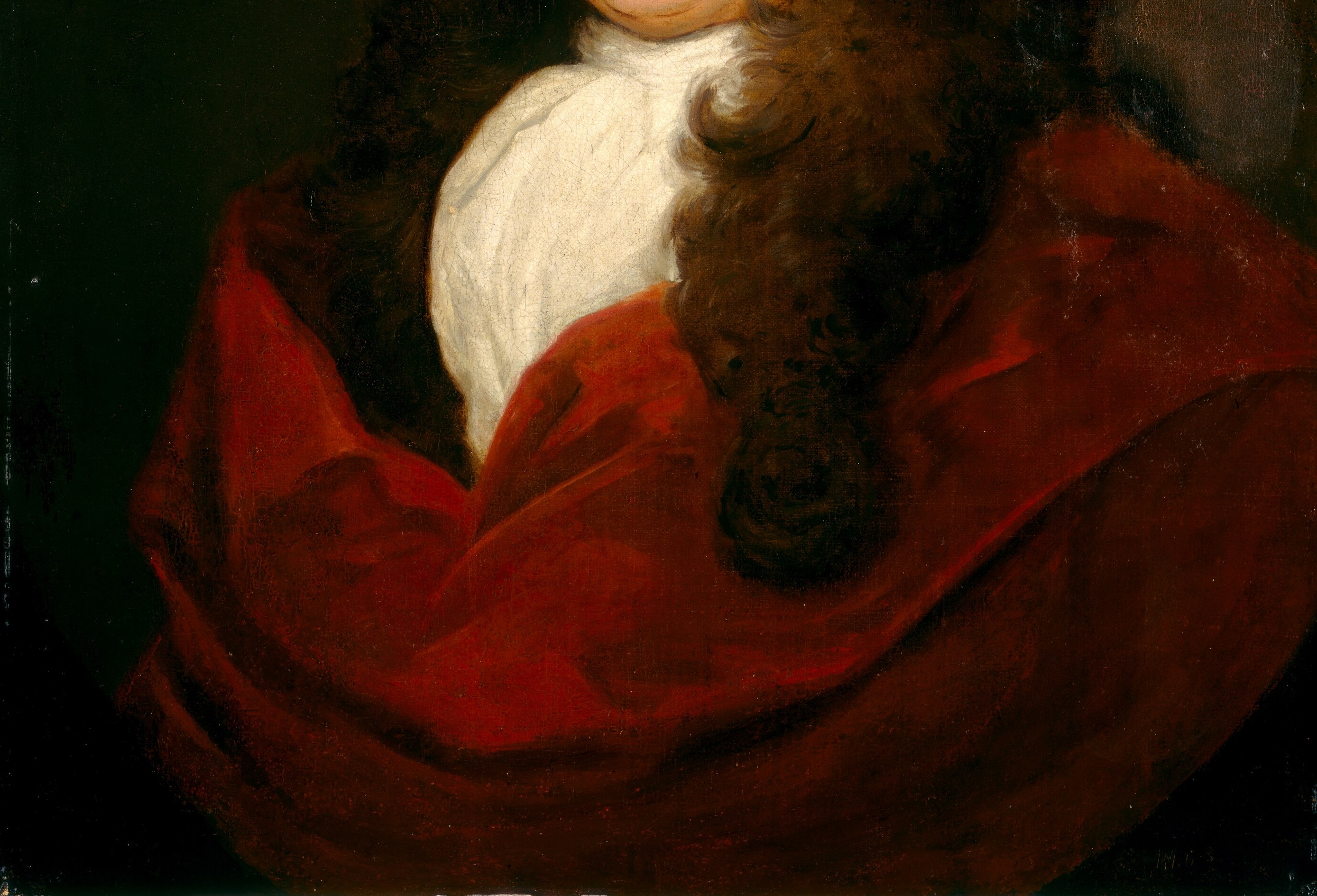
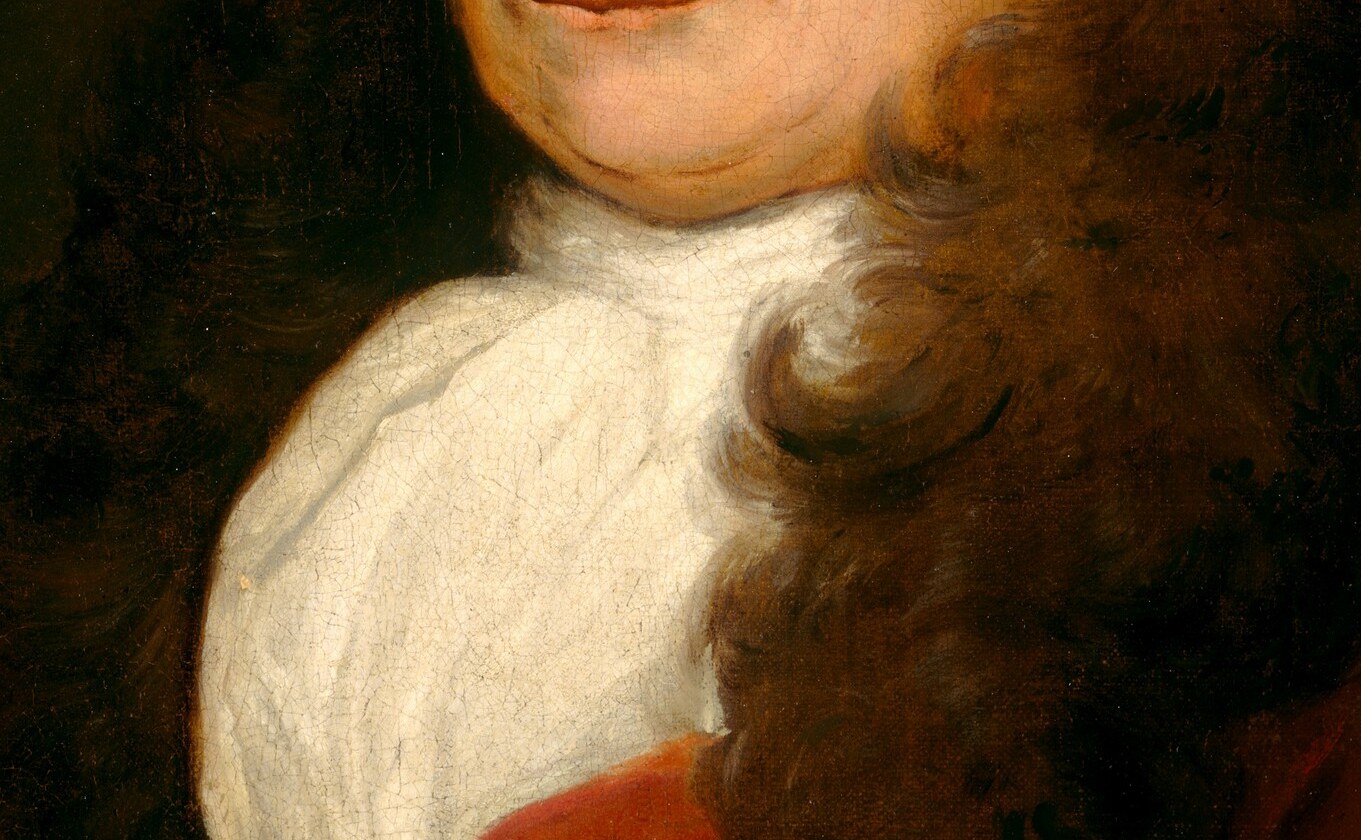
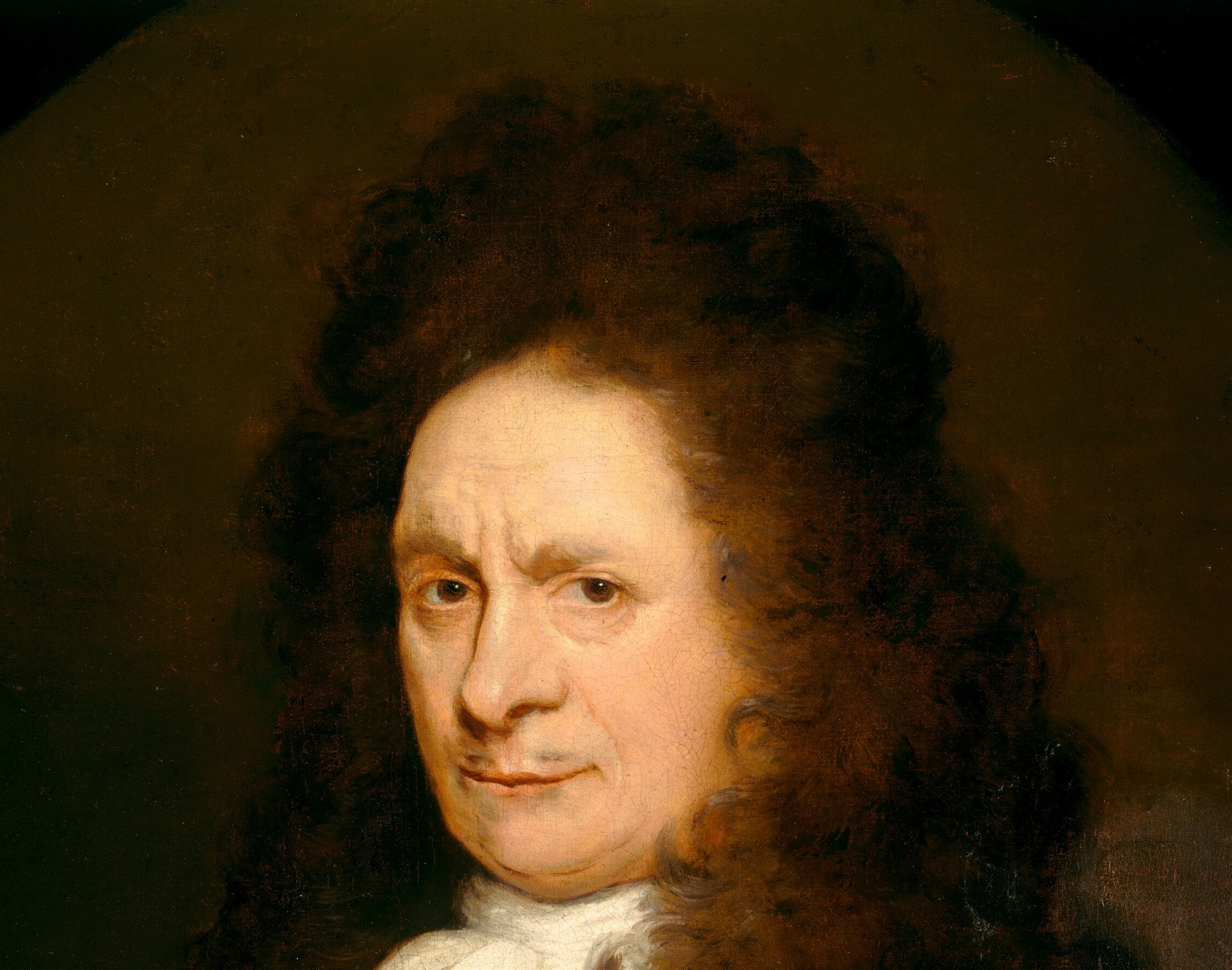
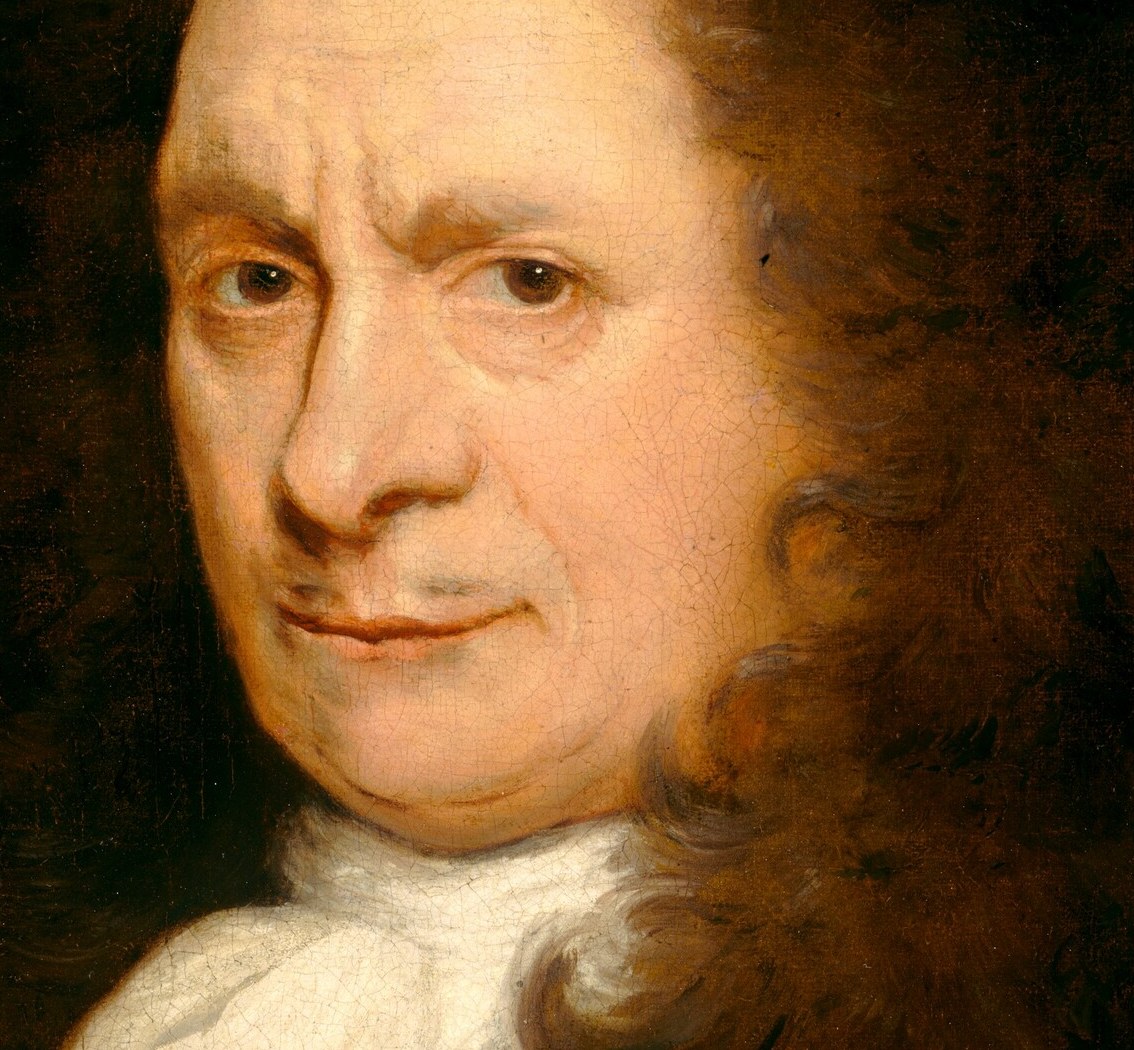
This is a "Portrait of a Man," painted by an unknown French artist in the late 17th century. The most striking aspect of this portrait is how the sitter's attire functions as a coded message, revealing his professional identity and social standing. Notice the deep crimson robe, a clear indicator of high rank. This formal wear, common in 17th-century portraiture, was not merely decorative but a social document. The painter's honest depiction of the sitter's face, even his pores and jowls, alongside the fashionable long wig, helps place this work firmly in the post-1670 era. The subtle details, like the loosely folded cravat and the expertly handled background, all contribute to the layered meaning of this striking image.
Details
Transcript
This is a formal portrait of an unknown man. Look at his dark, steady eyes. The crimson robe signals high rank. A loosely folded cravat suggests informal status. His long, curled hair dates the style to the 1670s. The painter honestly recorded pores and weight. The dark background separates subject from void. This man's costume indicates his professional role.