Marchesa Balbi by Dyck, Anthony van, Sir
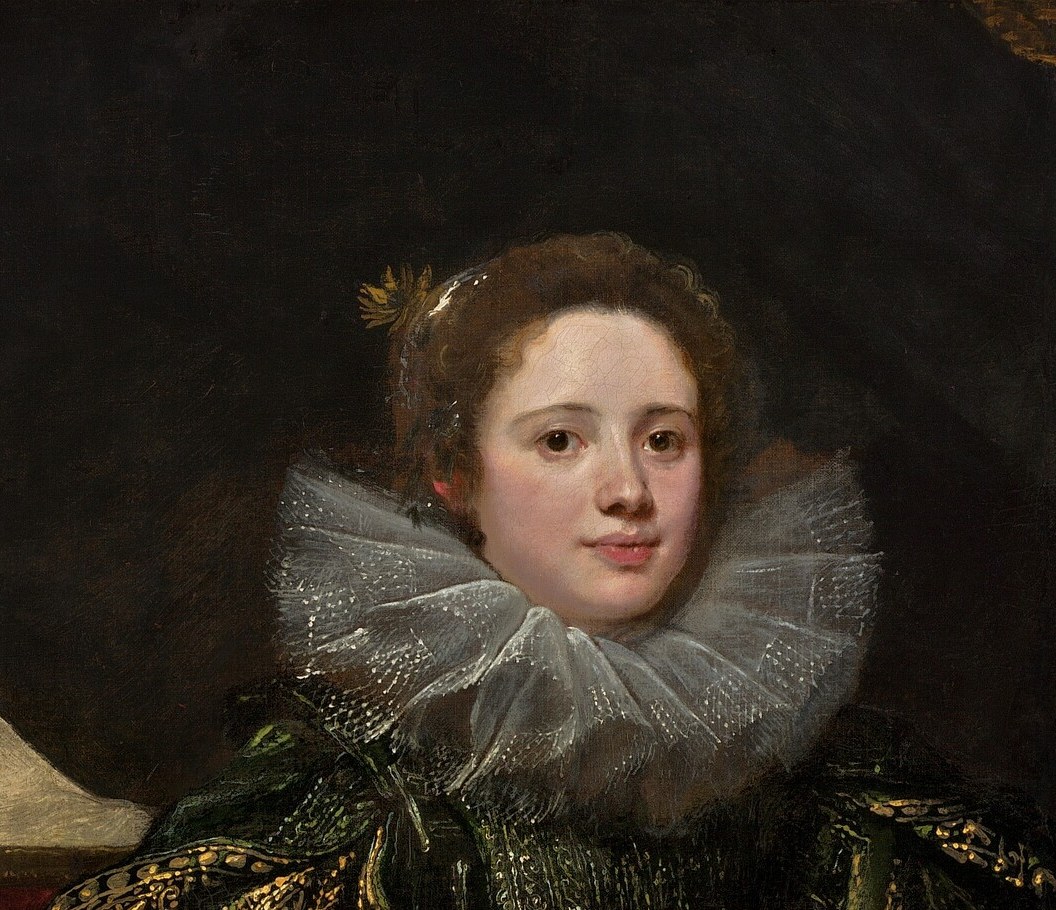
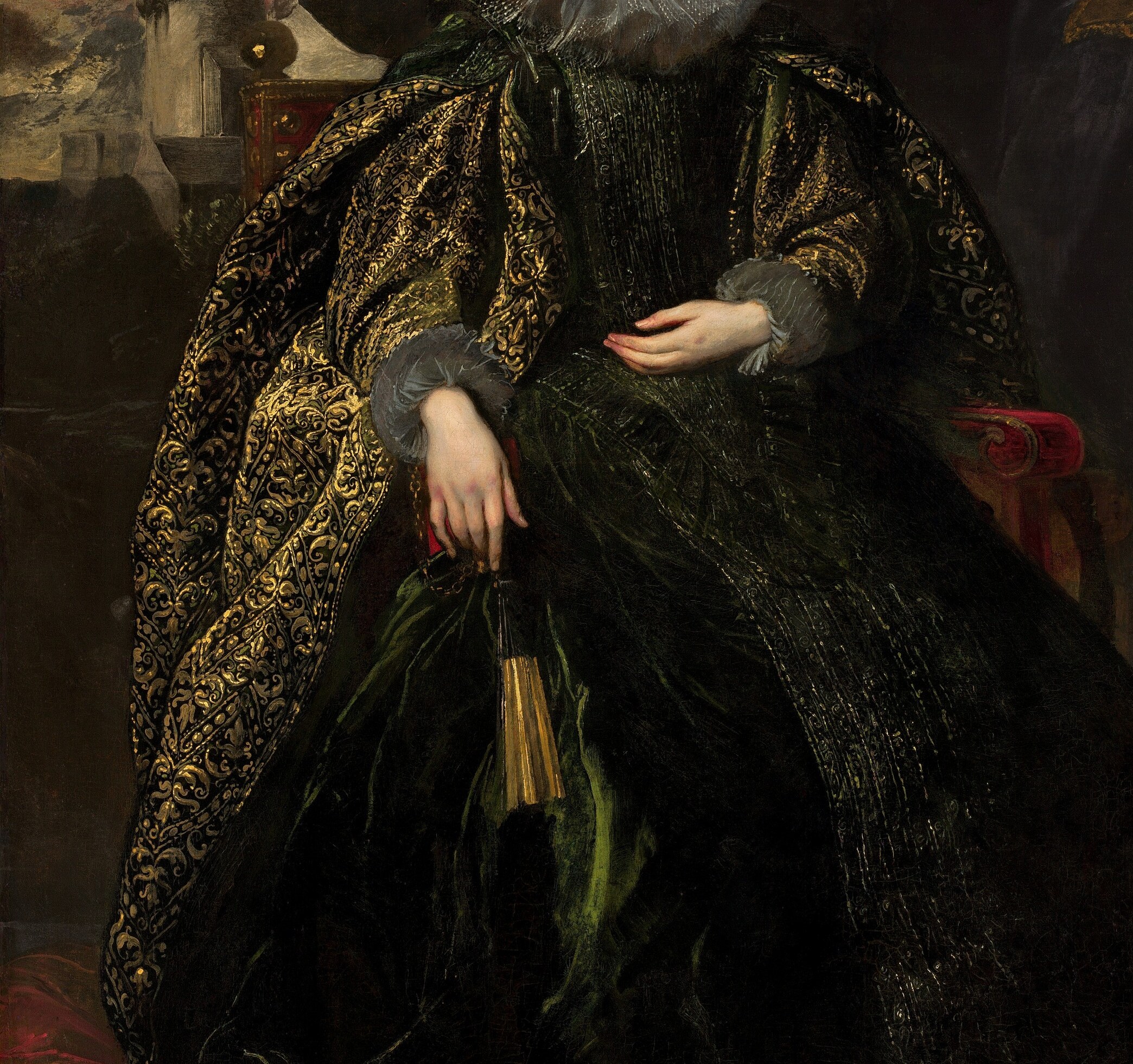
Sir Anthony van Dyck's “Marchesa Balbi,” painted around 1623, is a masterclass in coded social status. Currently housed at the National Gallery of Art, it uses every detail to proclaim the sitter's wealth and rank.
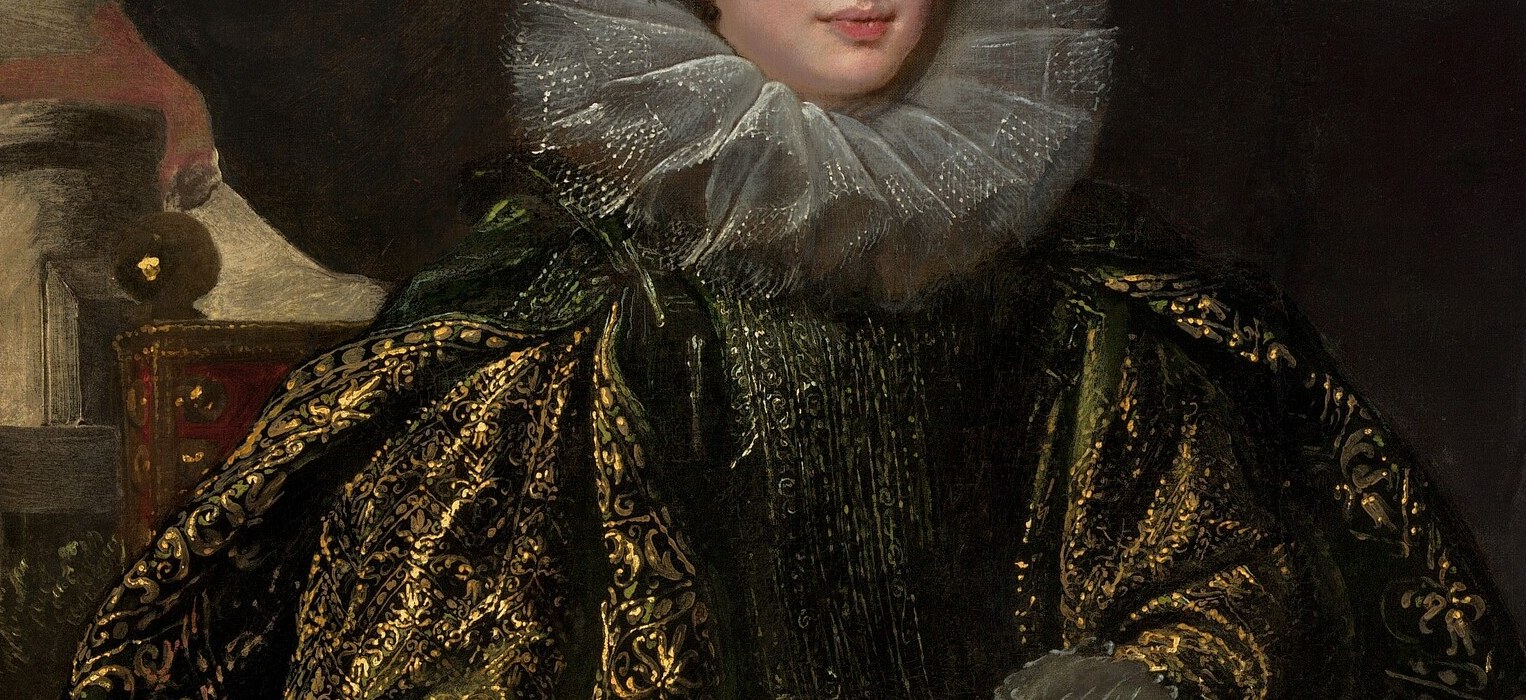
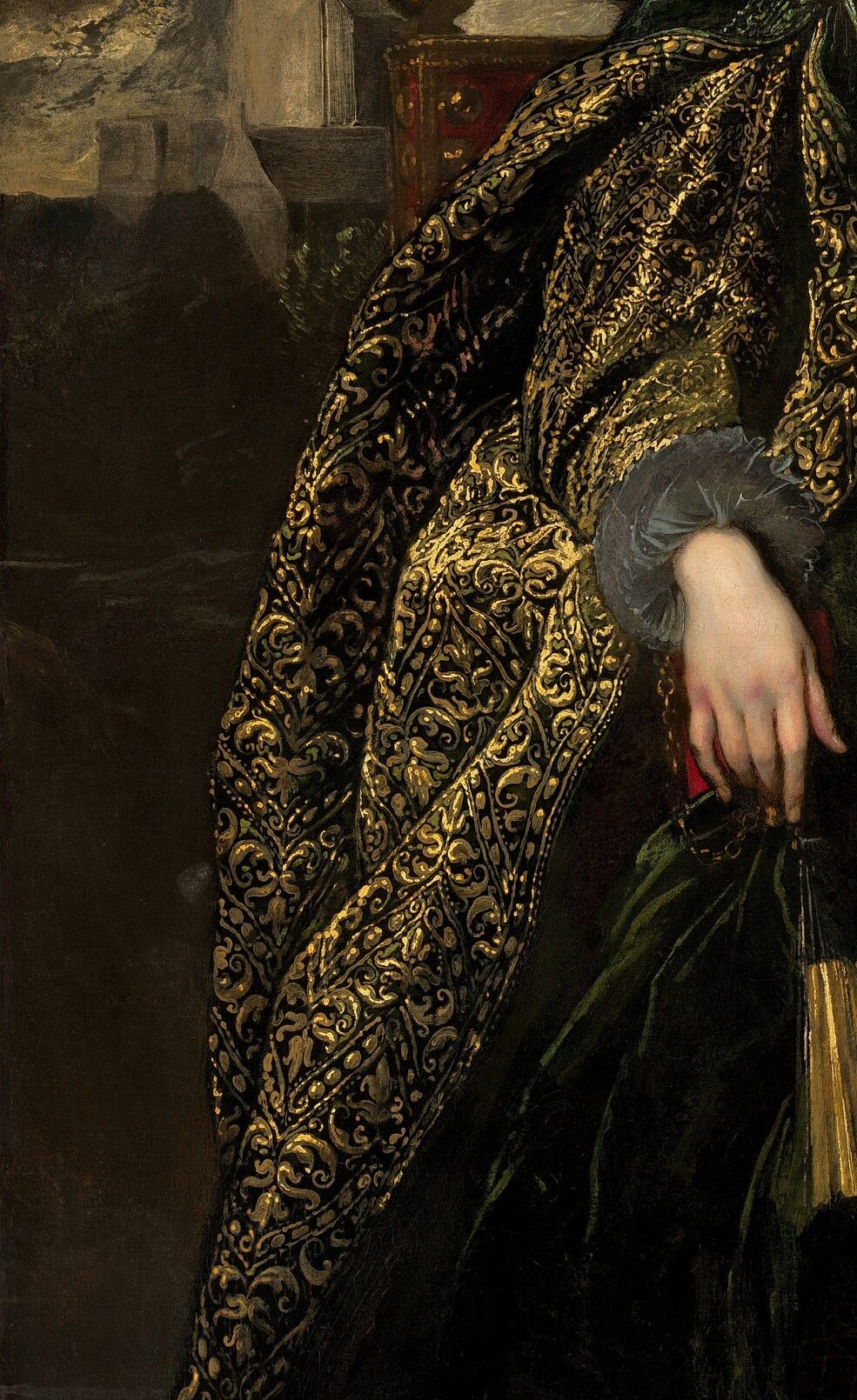
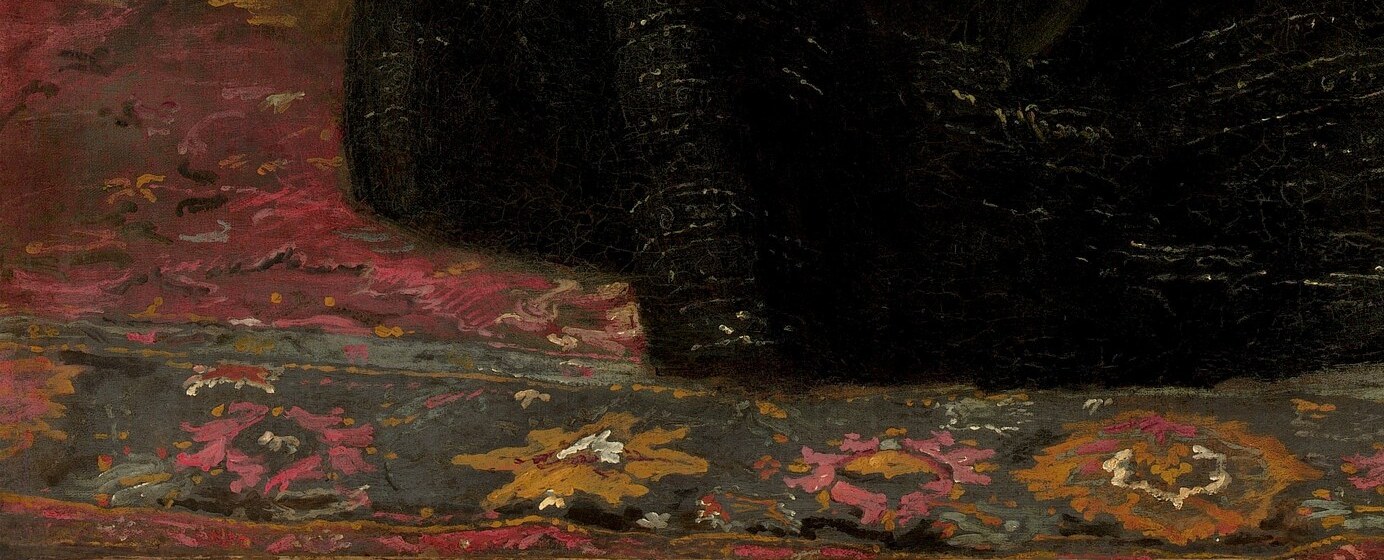
From her stiff lace ruff, a fashion statement dating the portrait precisely, to her intricately embroidered mantle, every element speaks volumes. Look closely at the gold brocade on her cloak, or the hints of an imported carpet at her feet, all rendered with Van Dyck's renowned technical skill.
Van Dyck, a prominent Baroque painter, was known for his aristocratic portraits during his time in Genoa. He meticulously depicted his patrons' luxurious attire and surroundings, emphasizing their social standing through elaborate details and textures.
The painting is more than a likeness; it's a testament to the power of visual language in the 17th century. What other hidden messages do you see?
Details
Transcript
This Marchesa projects aristocratic reserve. Her stiff lace ruff collar was a high fashion statement. But this style went out of fashion by the 1630s. The gold embroidered mantle signals immense wealth. Van Dyck painted the complex fabric texture with virtuoso skill. Even the carpet at her feet was a luxurious import. Every detail proclaims her family's rank and mercantile power.