Major-General Sir Archibald Campbell by Romney, George
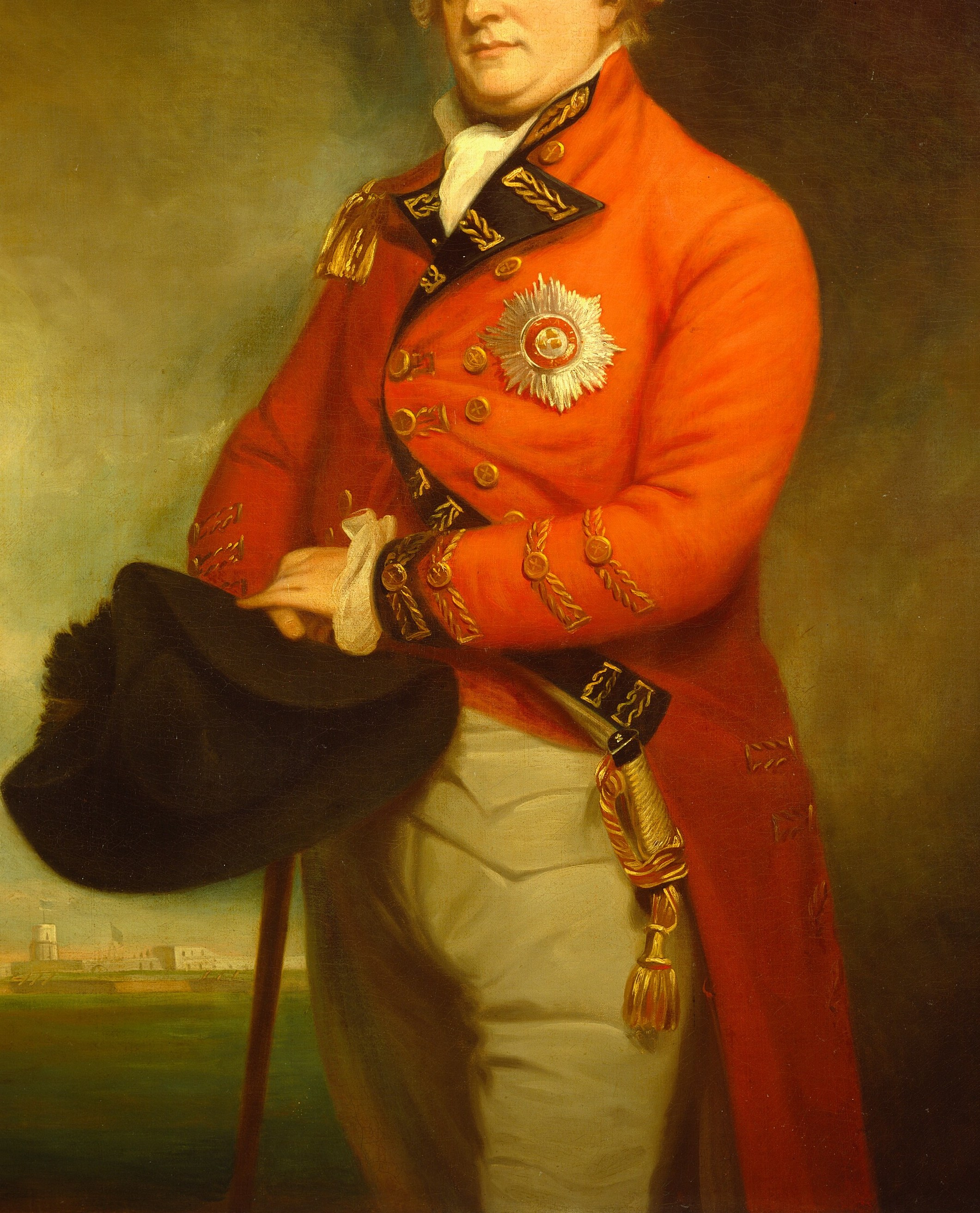
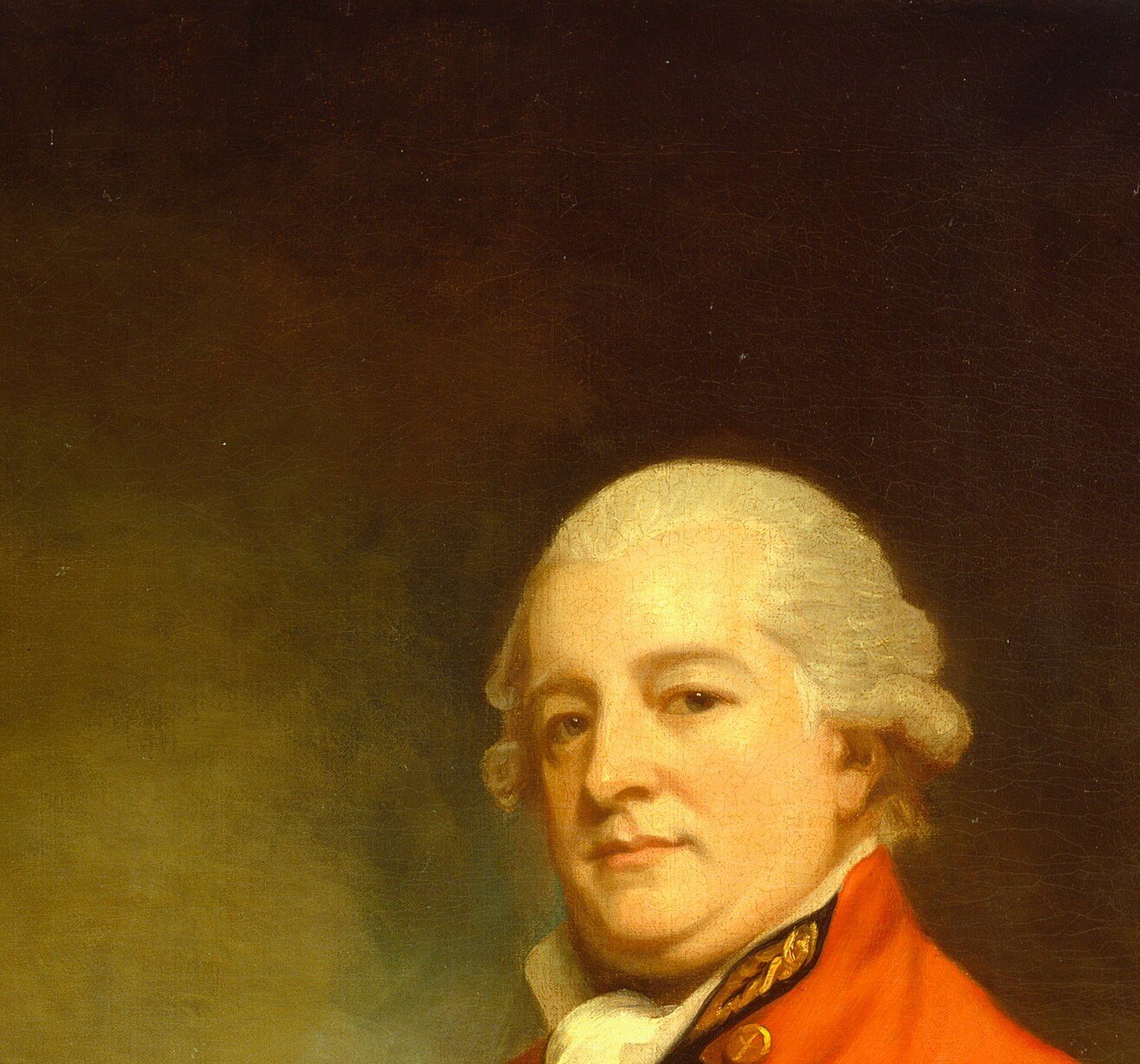
George Romney's "Major-General Sir Archibald Campbell," painted in 1791, offers a fascinating glimpse into the formal portraiture and military uniform of late 18th-century Britain. This oil on canvas, housed in a distinguished collection, meticulously details the attire of a high-ranking officer.
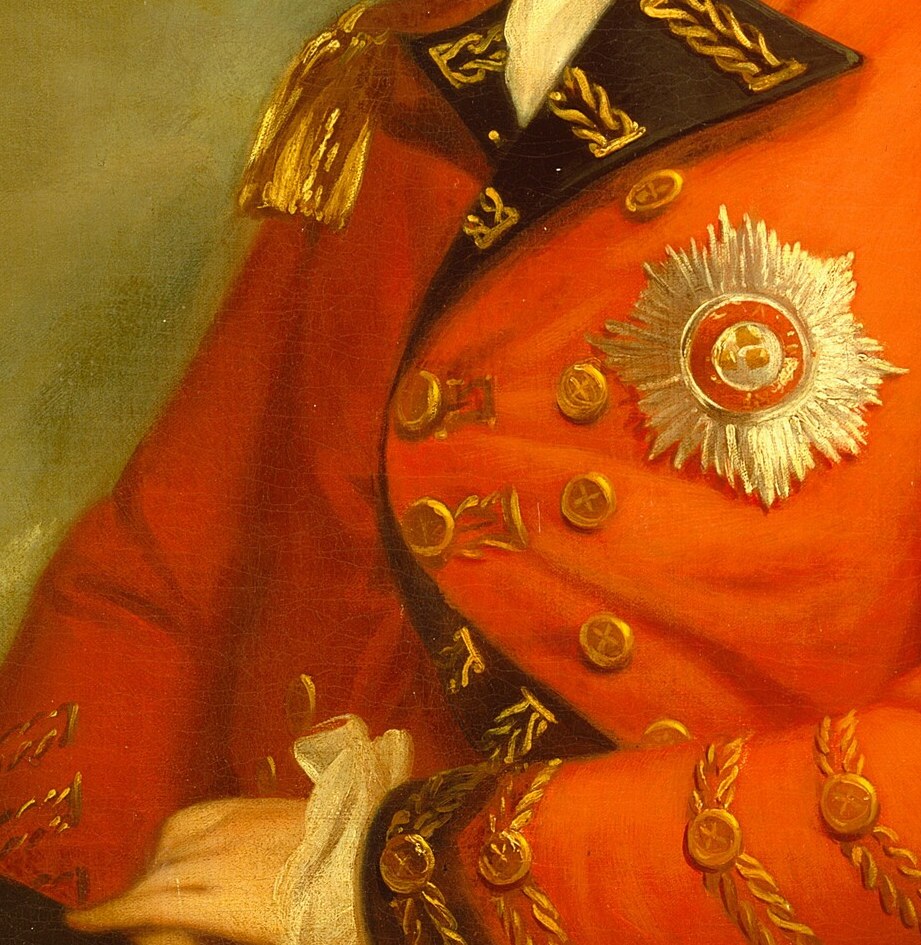
Look closely at the rich scarlet of his coat, the signature color of the British Army, and the intricate gold epaulette, a clear indicator of his Major-General rank. The star order pinned to his chest likely represents the prestigious Order of the Bath, signaling his significant achievements and social standing.
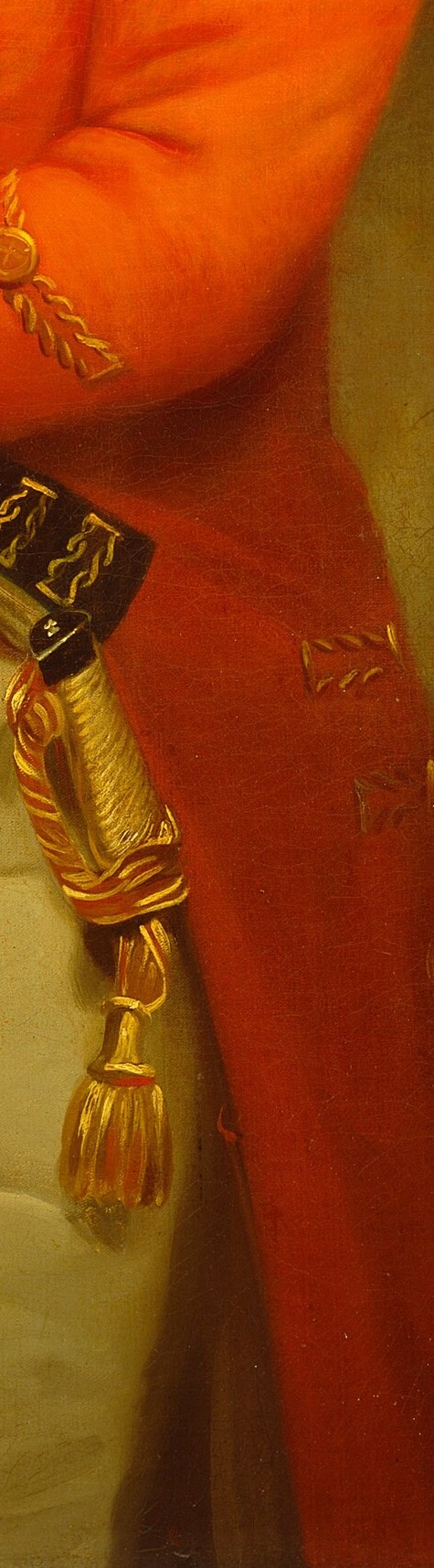
Romney's work captures more than just a likeness; it documents the prevailing social and military conventions of the time. The General's composed demeanor and the walking stick he holds were typical elements used to convey authority and importance in formal portraits. The background, though atmospheric, suggests the context of his military life.
It's a testament to how art can serve as a historical document, preserving not just faces, but entire eras. What details of his uniform surprise you the most?
Details
Transcript
Meet Major-General Archibald Campbell, a British officer in 1791. His uniform's scarlet color was the signature of the British Army. This gold epaulette confirms his senior rank as a Major-General. His chest proudly displays a star, likely the Order of the Bath. He holds a walking stick, a common symbol of authority in portraits. His composed expression was a conventional sign of command and status. This portrait by George Romney captures an era in military history.