The Marquesa de Pontejos by Goya, Francisco
In 2022, Francisco de Goya’s *The Marquesa de Pontejos* sold at Sotheby’s in New York for $16.4 million. The painting had stayed in a distinguished Spanish private collection for over a century, last appearing at auction in 1919. The sale placed it among the most valuable Spanish portraits ever purchased.
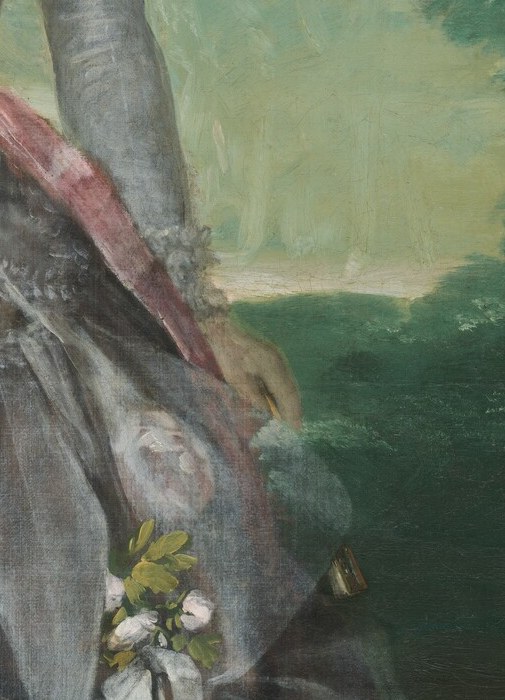
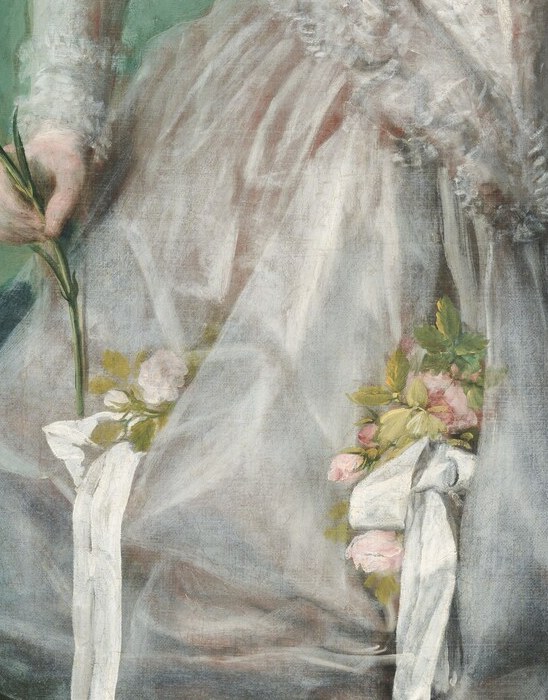
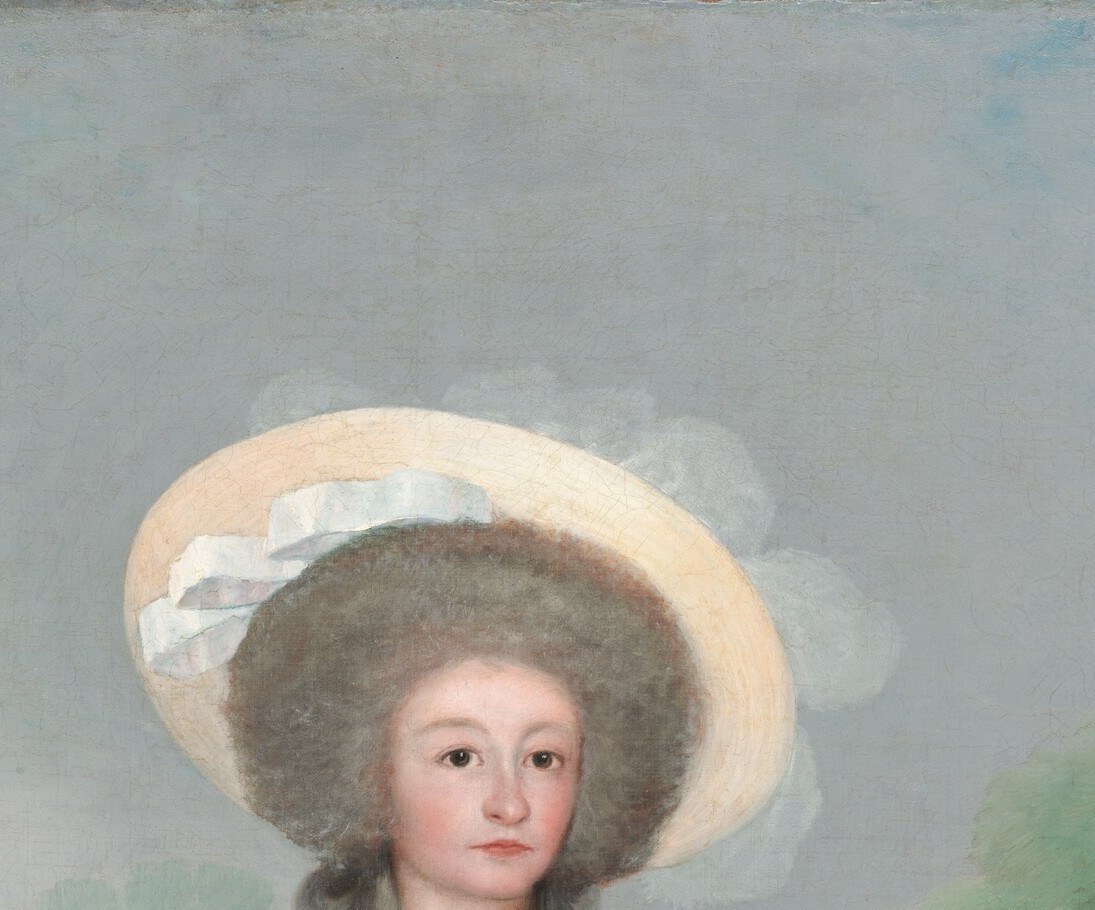
Painted around 1786, this is Goya at the height of his powers as a court portraitist. Look at the bodice ribbons: Goya’s brushwork dissolves silk into shimmering silver light. The closed fan in her gloved hand was a deliberate social signal of feminine modesty, while the pink carnation she holds was a widely understood symbol of love and purity. The tiny pug at her feet anchors the scene in loyalty and aristocratic domestic life.
Goya was forty years old when he painted this and had just become a court painter to the Spanish Crown. His career would soon take a darker turn; a severe illness in 1793 left him deaf, and his work grew progressively more haunting. But here, he shows total mastery of the Rococo idiom that his patrons demanded, while the loose, gestural brushwork in the skirt already hints at the modern painter he would become.
The portrait captures a world of extraordinary privilege on the eve of revolution. Goya would live to see that world shattered, but in this canvas, it still shimmers.
Details

Transcript
In 2022, a painting arrived at auction in New York. It had last sold at auction in 1919. The subject: a Spanish marchioness, holding a carnation. Notice her closed fan. In the gesture language of the era, that signaled decorum. And at her feet, a pug: symbol of aristocratic devotion. The bidding war drove the final price to extraordinary heights. The painting sold for $16.4 million.