Allegory of Freedom by American 19th Century
Step into the patriotic world of the "Allegory of Freedom," an oil on canvas painting from the American 19th Century, created around 1863 or after, housed in an unknown museum.
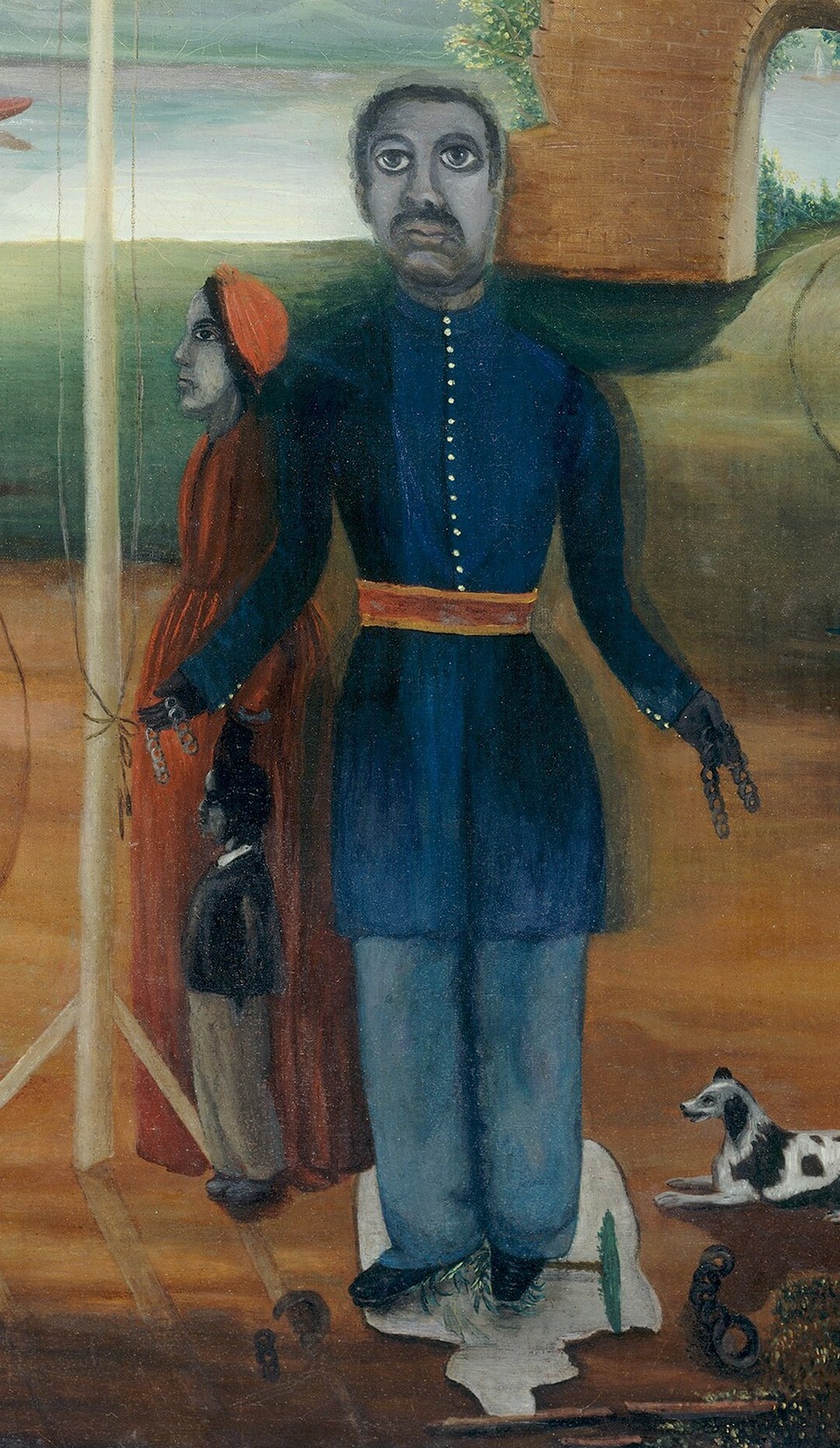
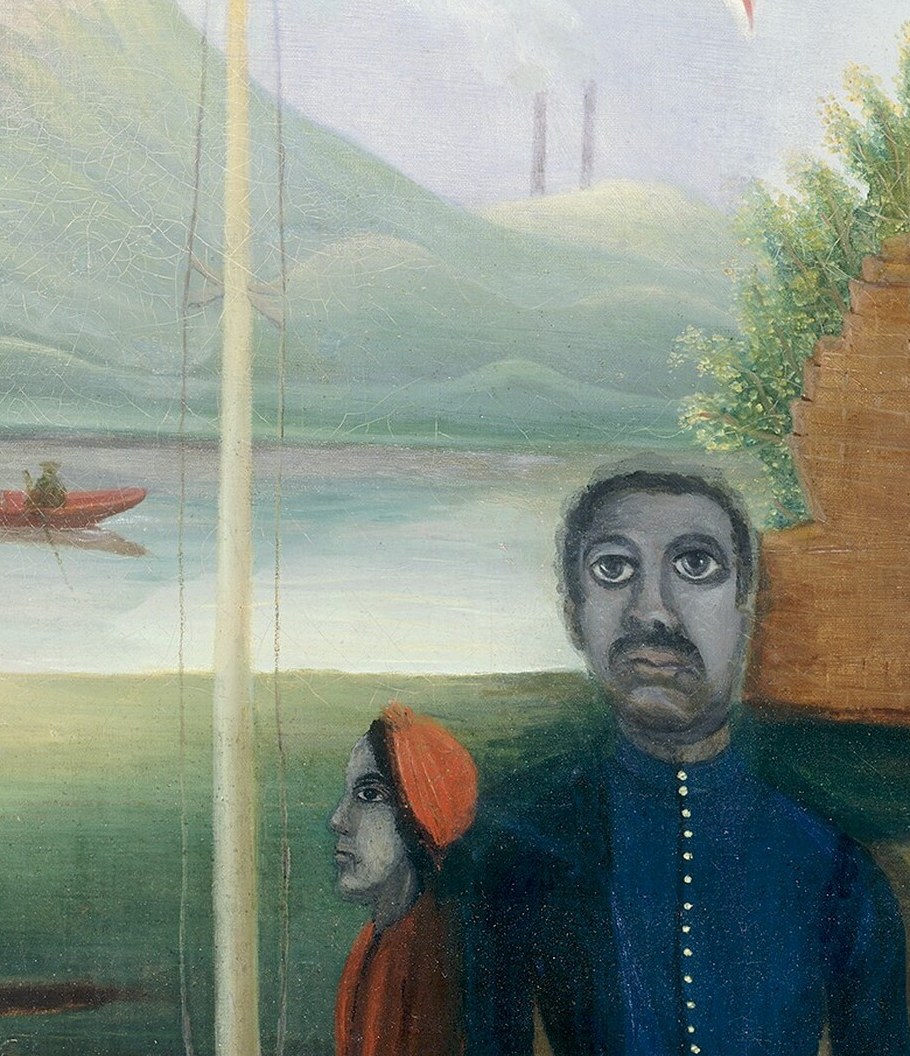
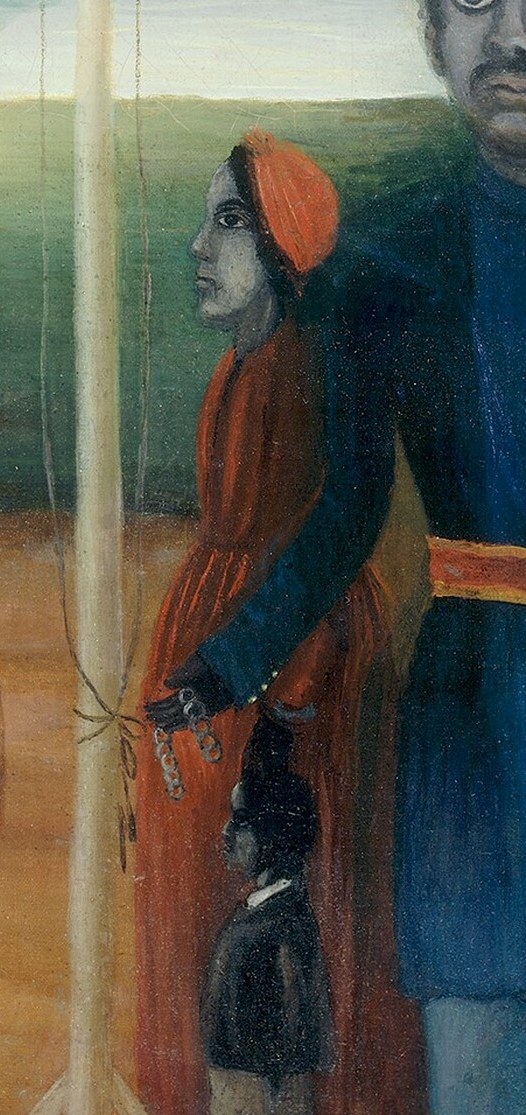
This artwork is a powerful depiction of national identity and liberty. Notice the central figure in his military uniform, standing proudly before the expansive American flag. The artist's deliberate use of color and composition aims to evoke a strong sense of national pride.
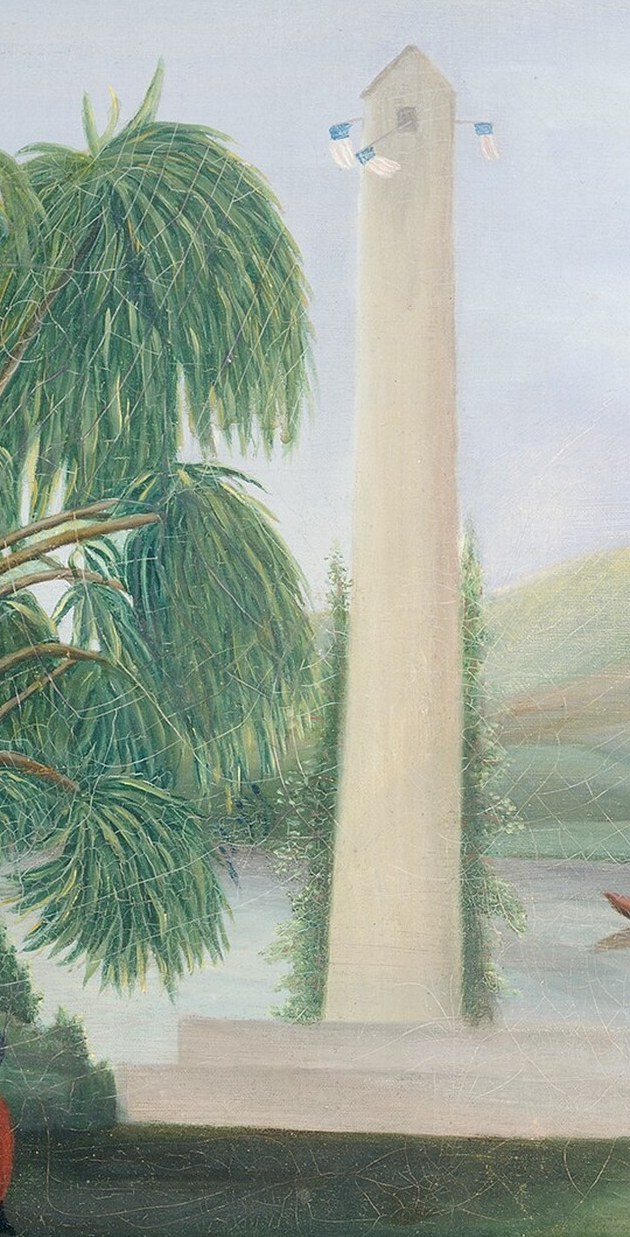
The painting's style, with its focus on detailed and tangible reality, is characteristic of the Realism art movement. Elements like the loyal dog at the central figure's feet and the background details like the obelisk and palm trees, all contribute to this overarching theme of liberty.
What emotions does this allegorical scene stir in you?
Details
Transcript
This 19th-century painting is called 'Allegory of Freedom'. A central figure in military uniform anchors the scene. He stands before a large, prominent American flag. The artist chose specific colors and composition for national pride. A loyal spotted dog rests at the figure's feet. The painting's style aligns with Realism, showing tangible reality.