Landscape with the story of Jephthah's daughter by Jacob Savery
Jacob Savery's Landscape with the story of Jephthah's daughter, painted in 1590, is a work of profound quietude. Though it depicts a bustling town and hints at human drama, its title carries the weight of a devastating biblical sacrifice. The painting is housed at the Rijksmuseum.
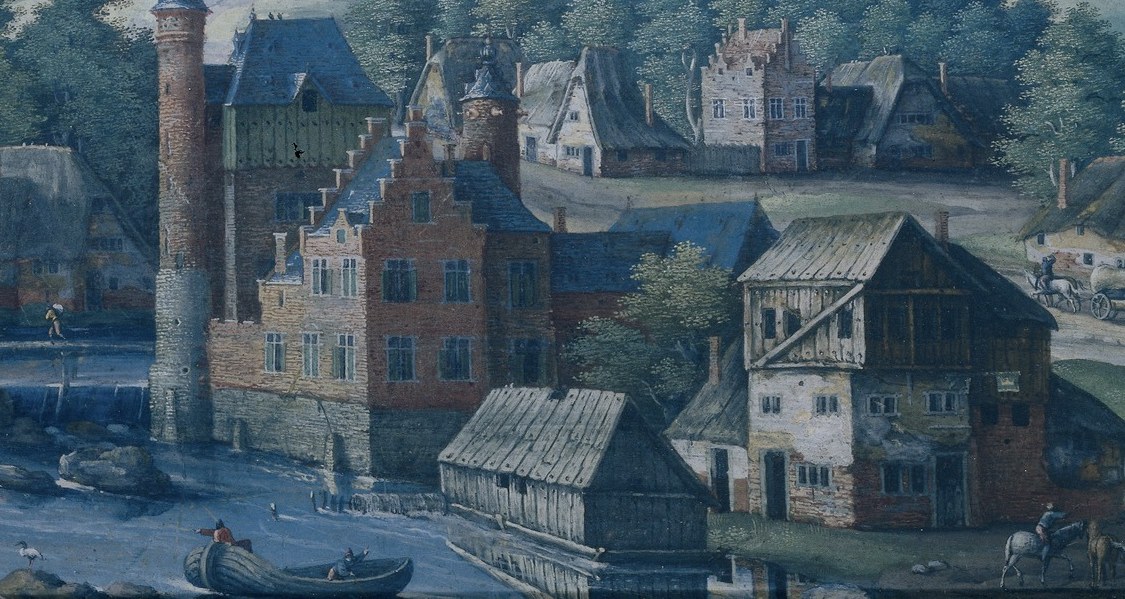
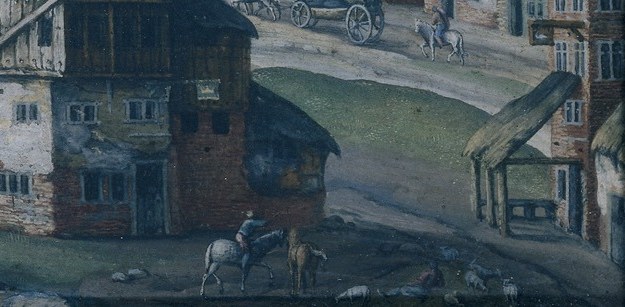
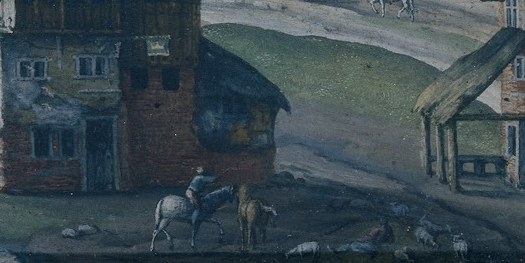
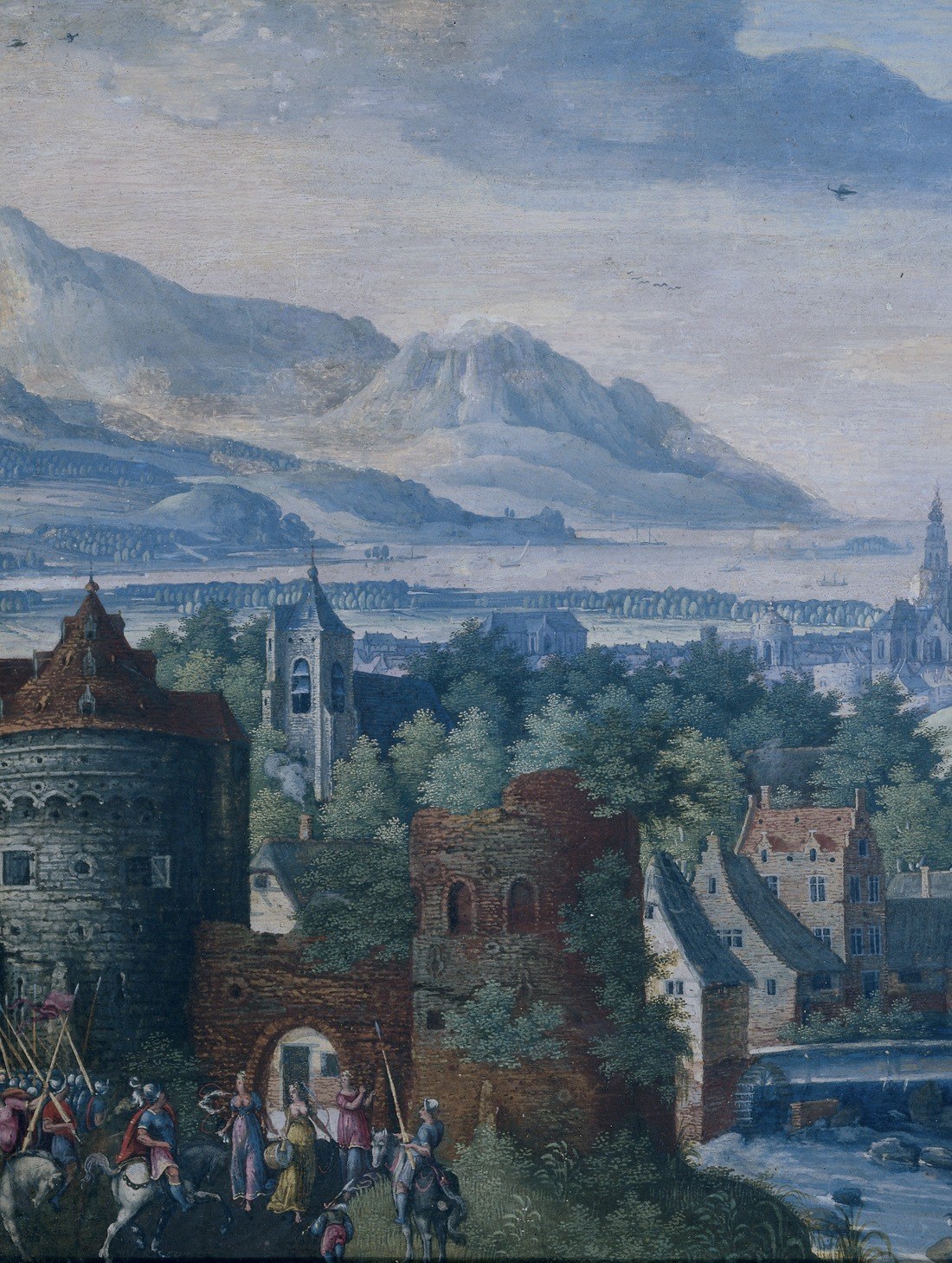
The eye is drawn to the intricate details of the Northern Renaissance landscape: the clustered red-roofed town buildings, the disciplined soldiers marching, and the solitary river boat. These elements create a sense of a living, breathing world, vast and encompassing.
Despite the lively scene, the painting's name reveals a story of Jephthah's tragic vow. The biblical narrative, though not visually explicit, grounds the expansive landscape in human loss, suggesting that even the most vibrant scenes can hold unspoken sorrow. The artist, Jacob Savery, was a Flemish painter who later settled in the Dutch Republic.
Savery's work invites us to look closer, to see how grand landscapes can frame intimate, heartbreaking moments.
Details
Transcript
This wide landscape seems to contain everything. Red roofs and a stone bridge show a busy town. Soldiers march, a hint of conflict or order. A small boat sails a vast, hazy river. But the painter's title tells a sadder story. Jephthah sacrificed his daughter for victory. Her small figure is lost in the teeming scene. His painting shows a world that forgets grief.