明 陳洪綬 山水花鳥人物圖 扇冊|Landscapes and Flowers by Chen Hongshou|Chen Zi
This album leaf from Chen Hongshou's "Landscapes and Flowers," created in 1624, offers a fascinating glimpse into a period of profound upheaval in Chinese history. Through his distinctive and often unconventional portrayal of human figures, Chen Hongshou subtly captured the societal anxieties of his time.
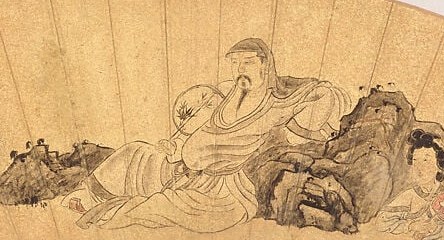
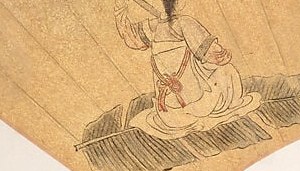
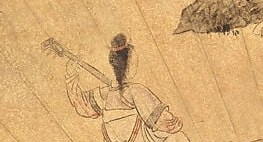
Notice the stylized features of the elderly man, particularly his prominent nose and rounded eyes. This almost caricatured quality is a hallmark of Chen Hongshou's work, setting it apart from more conventional depictions. The figure seated on a large leaf further exemplifies his unique approach to human forms.
Painted during the tumultuous transition between the Ming and Qing dynasties, Chen Hongshou's artistic choices are interpreted by scholars as a direct response to the pervasive sense of uncertainty and disruption. His unique aesthetic, rendered with ink and color on gold paper, becomes a window into a complex historical moment.
How do you think artists today reflect contemporary anxieties in their work?
Details
Transcript
This album leaf was painted in 1624, during a tumultuous time. This painter was known for his highly unusual figures. His men often have prominent noses and rounded eyes, almost caricatured. This figure on a leaf is typical of his stylized human forms. Scholars interpret these unique figures as reflecting societal anxieties. It was a period of political instability between Chinese dynasties. His distinctive style was an artistic response to disruption and uncertainty.