Head of a Young Boy by Bray, Jan de
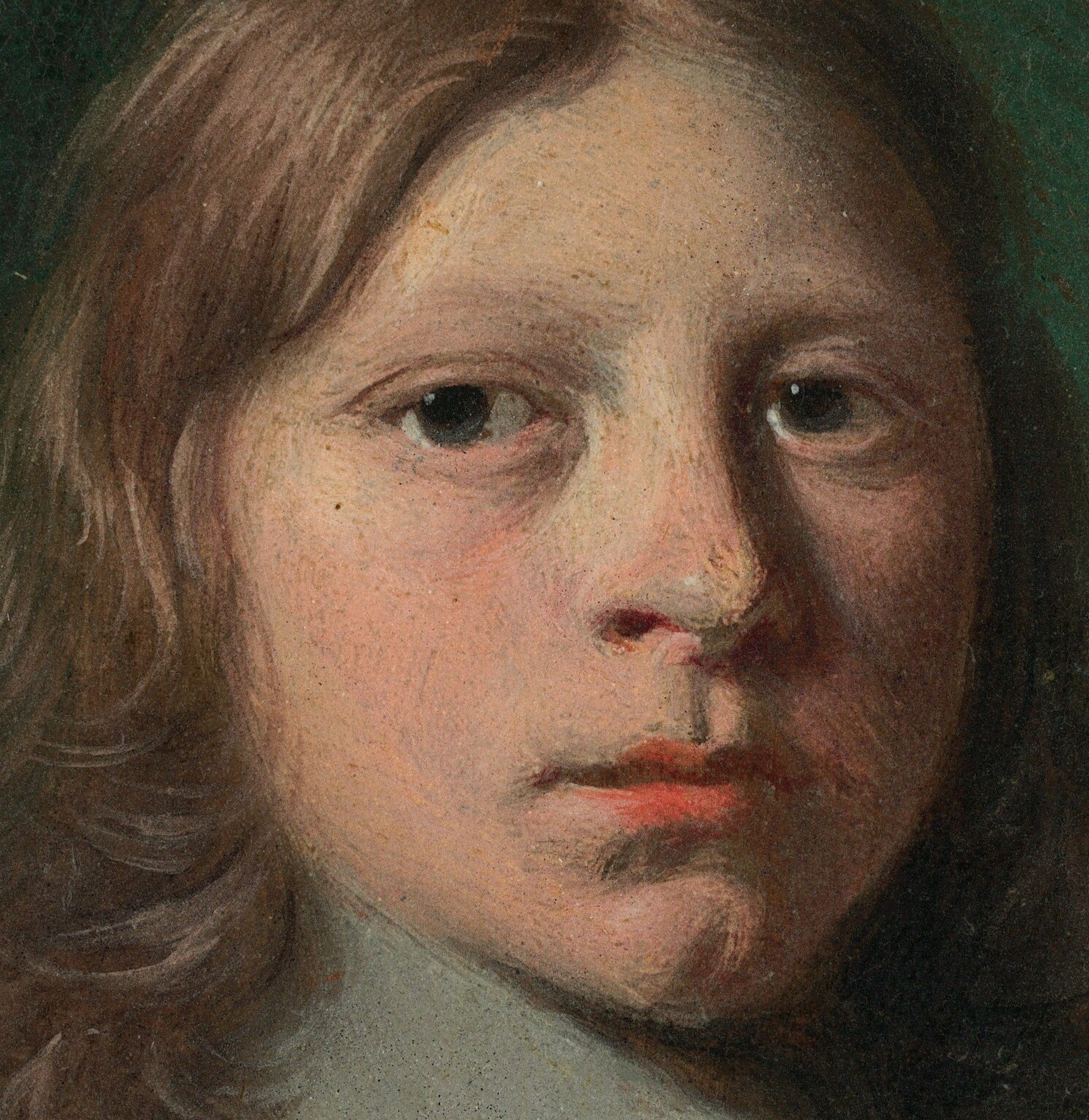
Jan de Bray's "Head of a Young Boy," from around 1650, is a compelling example of Dutch Golden Age portraiture. Painted with oil on copper, this work captures a youthful subject with remarkable intimacy and directness, making the boy's presence deeply felt.
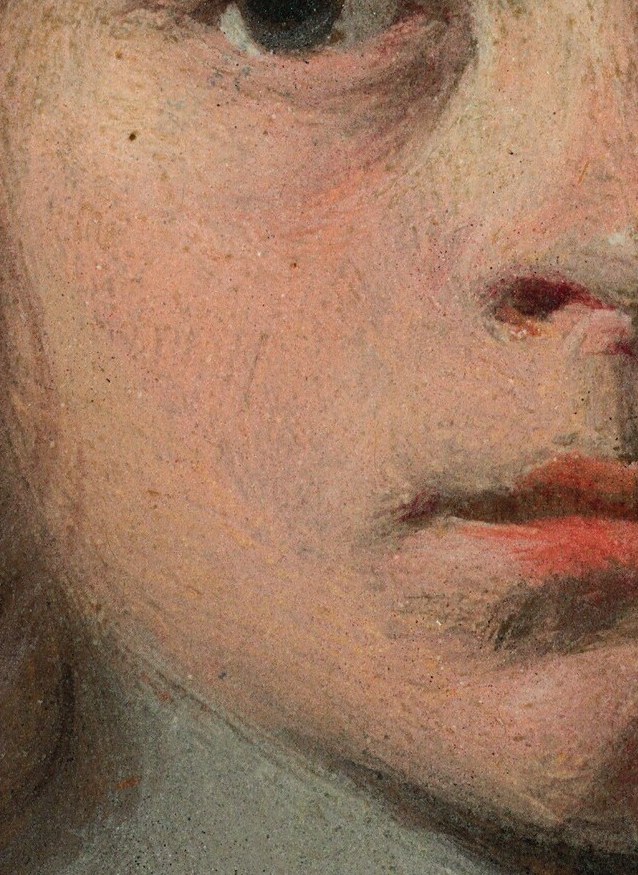
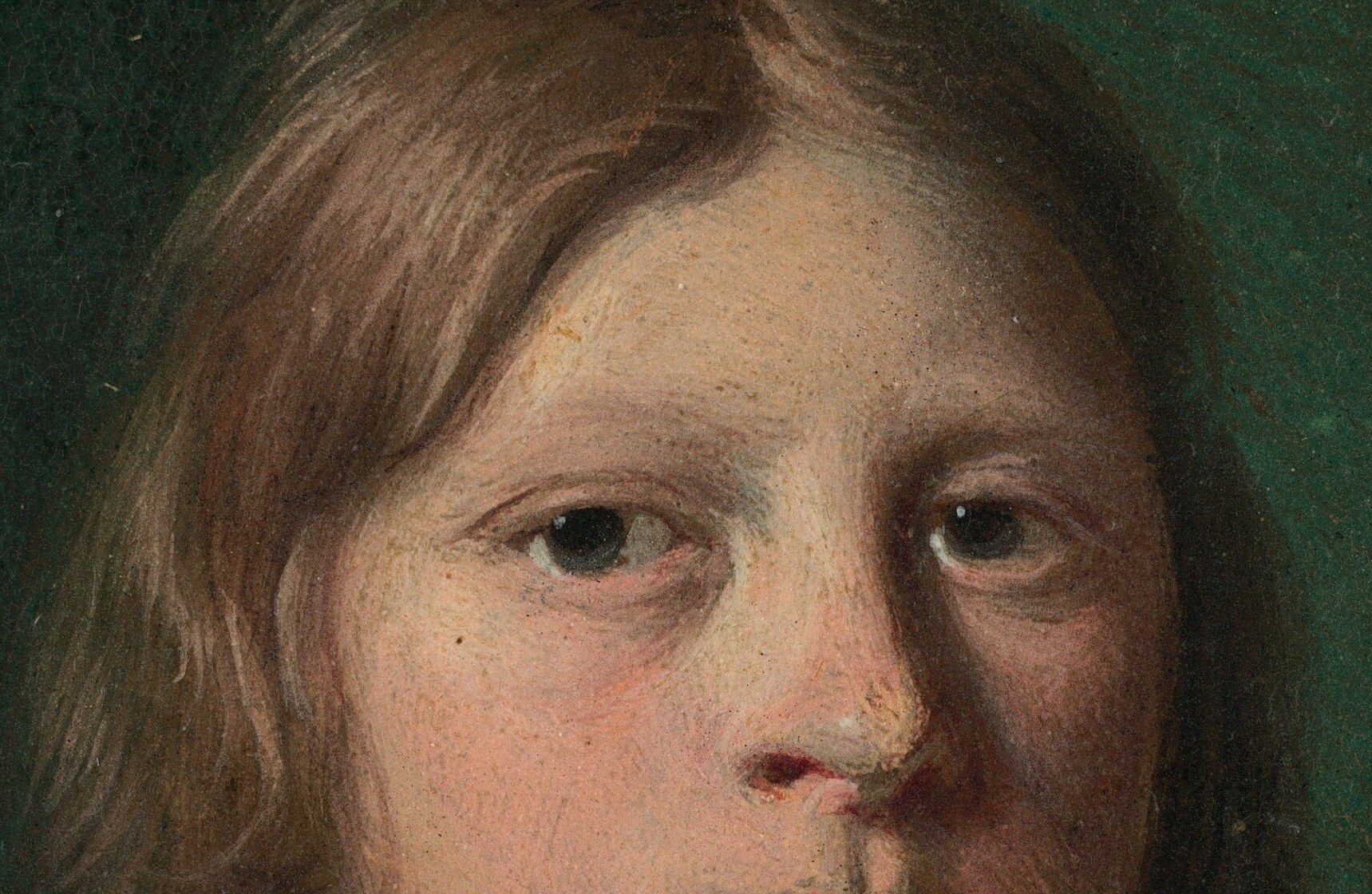
Look closely at the boy's face, especially his eyes. De Bray's meticulous brushwork and the subtle play of light and shadow create an expression that is both contemplative and engaging, drawing the viewer into a personal connection with the sitter.
Jan de Bray, active in Haarlem, was adept at rendering individual likenesses, a skill evident here. The choice of a plain, dark background ensures that all attention remains on the boy, highlighting his character rather than elaborate surroundings.
This small, focused portrait reflects the era's demand for compelling individual portraits and stands as a testament to de Bray's talent in capturing human essence.
Details
Transcript
This young boy, painted around 1650, seems to look right at us. The artist, Jan de Bray, was known for capturing individual faces. Look closely at his eyes; they draw you into his world. Even with a subtle shadow, his expression feels alive. De Bray used oil on copper for vibrant colors and fine detail. His choice of a dark background makes the boy's face the sole focus.