Untitled by Soga Shōhaku
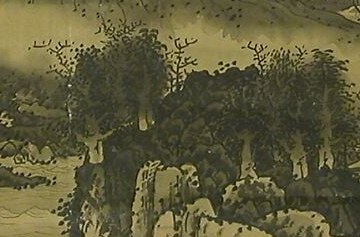
Soga Shōhaku’s Untitled, created around 1761-63, is a striking example of an artist who deliberately broke from the prevailing artistic norms of his era. This hanging scroll, rendered in ink and color on silk, is housed in a prominent collection.
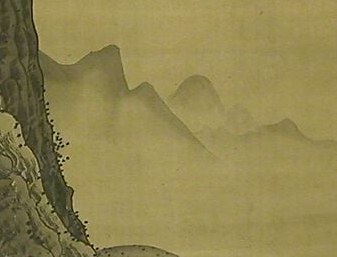
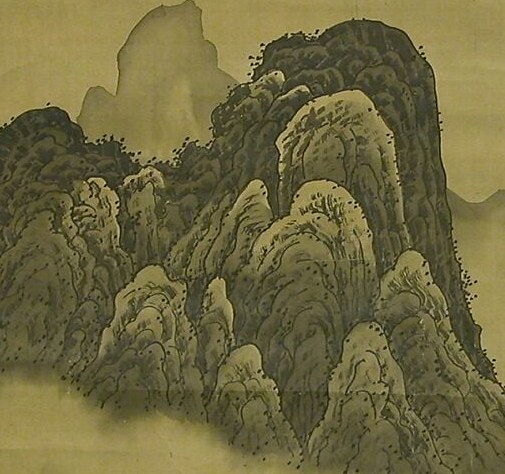
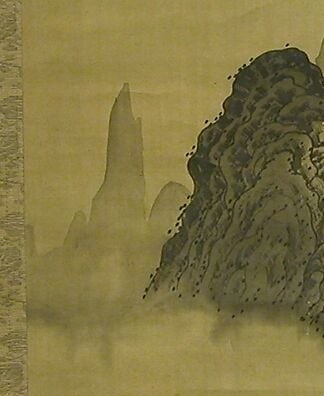
Notice the towering mountain scene, whose peaks are rendered with sharp, almost tooth-like forms, and the resilient trees clinging to the rugged terrain. Shōhaku's distinctive approach aimed to imbue his landscapes with a powerful and confrontational energy, a stark contrast to the subtle details favored by his contemporaries.
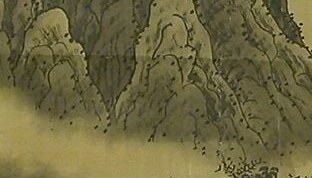
Shōhaku, who lived in Kyoto, was obsessed with older artists who used thick, scratchy brushwork. While other 18th-century Japanese painters pursued refined aesthetics, Shōhaku employed bold lines and deliberate ink smudges, creating a sense of raw dynamism. His unique, individualistic vision made his work instantly recognizable.
What do you find most compelling about this artist's bold approach?
Details
Transcript
This painter lived in 18th-century Kyoto, Japan. Most artists painted delicate, refined landscapes then. But this artist wanted his mountains to feel alive and unsettling. He used bold, thick lines and deliberate ink smudges. His forceful execution was a radical departure for the time. It gives the landscape an intense, almost vital energy.