Bartolomé Sureda y Miserol by Goya, Francisco
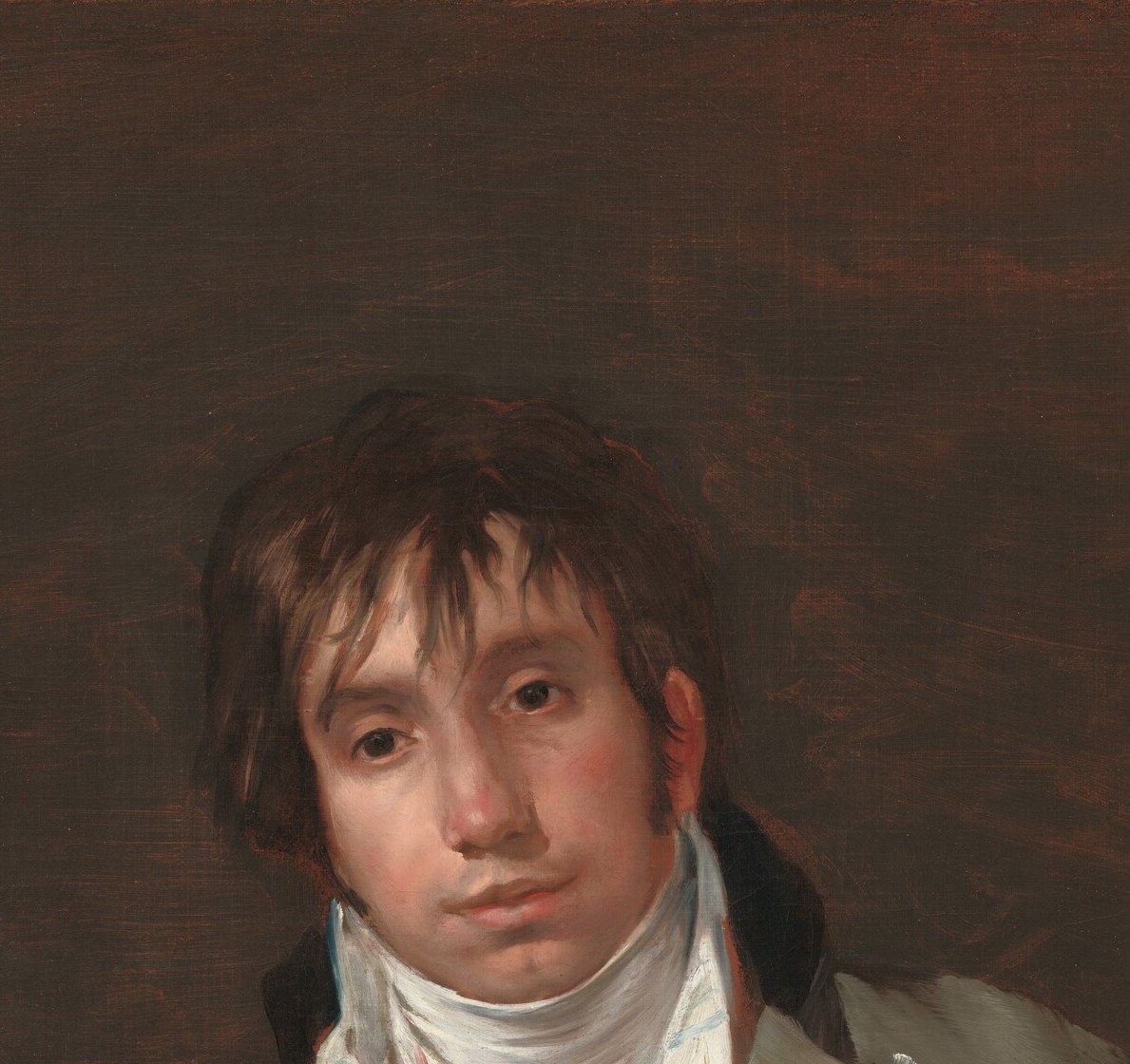
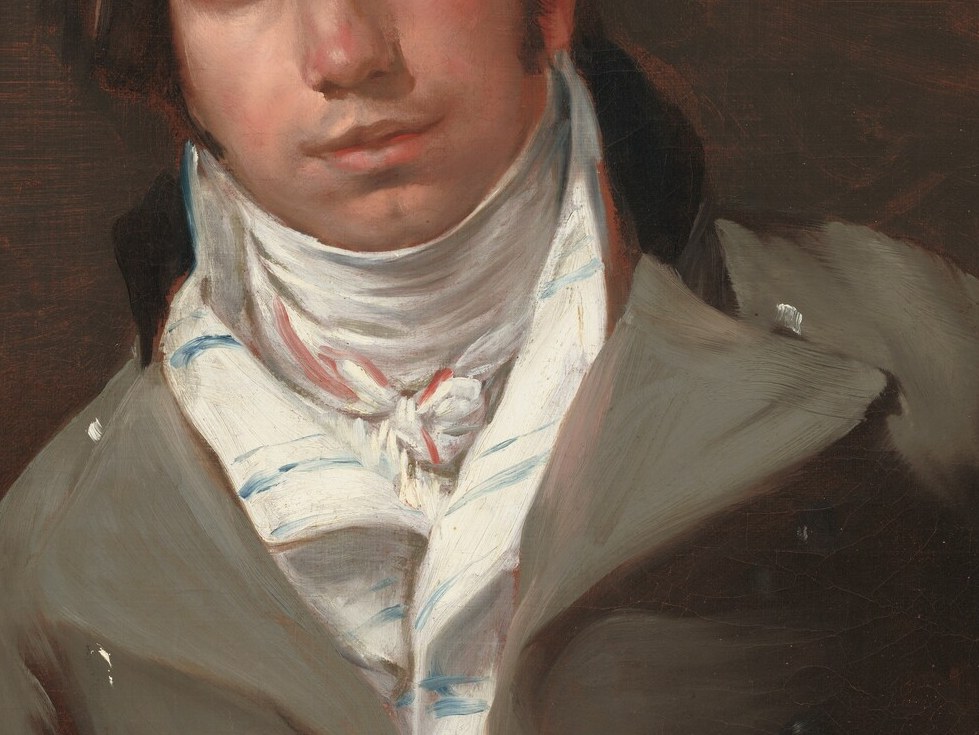
This is "Bartolomé Sureda y Miserol" by Francisco de Goya, painted around 1804 and now in the National Gallery of Art, Washington. The sitter was not a nobleman but a fellow artist and friend, a man who managed the Royal Porcelain Factory in Madrid. Goya was the most powerful painter in Spain, yet when he turned the canvas toward someone he trusted, the stiffness of the court portrait fell away.
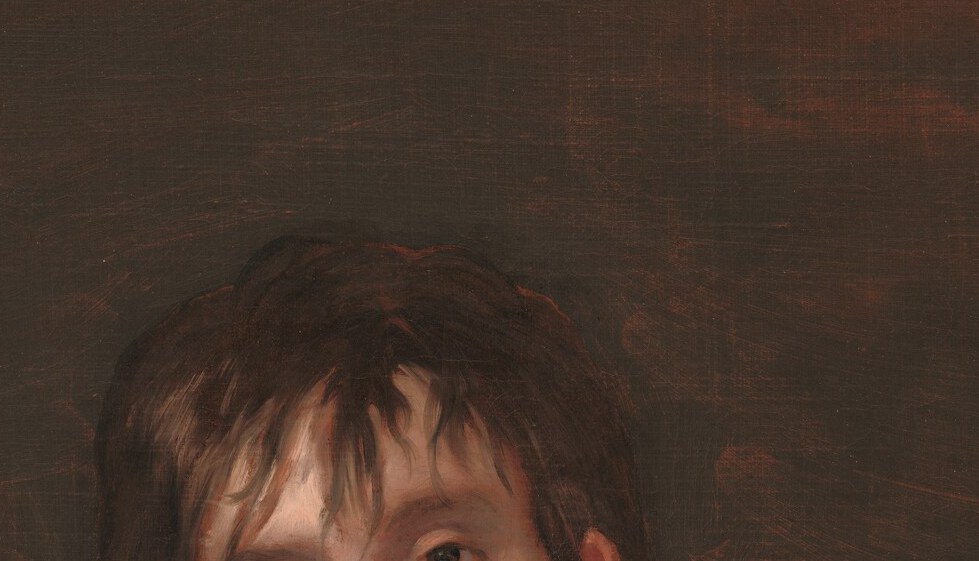
Look at the eyes. They are dark, direct, and completely unguarded. Unlike the formal, distant stares Goya gave his aristocratic subjects, Sureda meets the viewer with a watchful intelligence that reads as a conversation, not a performance. His hair is unwigged and slightly disheveled, a deliberate signal of Enlightenment informality. The only vivid color in the frame is the red hat in his hand: a compositional anchor and perhaps a mark of his professional identity, held casually rather than displayed.
Goya painted Sureda around 1804, a moment when the artist himself was profoundly changed. A severe undiagnosed illness in 1793 had left him completely deaf. The man who had charmed the royal family with his Rococo cartoons now lived in a silent world. His work grew darker, his psychological penetration sharper. Sureda was one of the few people who remained close to him through that transformation, a fellow maker who understood labor and craft rather than rank.
This is not a portrait of power. It is a portrait of someone who knew the painter, and chose to sit for him anyway. The direct stare that breaks the distance is not a challenge. It is trust.
Details
Transcript
Around 1804, Francisco de Goya painted his friend. Bartolomé Sureda. A fellow artist. Most of Goya's portraits play by strict formal rules. But this man's eyes hold a different understanding. No powdered wig. His hair is windblown, natural. Sureda had spent years studying porcelain chemistry for the crown. Goya too was navigating a deafness that isolated him from the court. Two men, speaking without words.