Maria Luisa of Parma, Queen of Spain by Francisco Goya
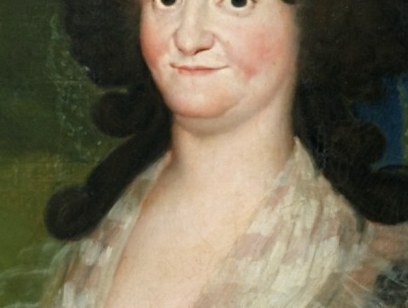
Francisco Goya's "Maria Luisa of Parma, Queen of Spain," painted in 1795 and housed at the Museo del Prado, reveals more than just a royal likeness; it exposes the hidden costs and political machinations of the Spanish court. The Queen, adorned in opulent garments, embodies an image of unassailable power.
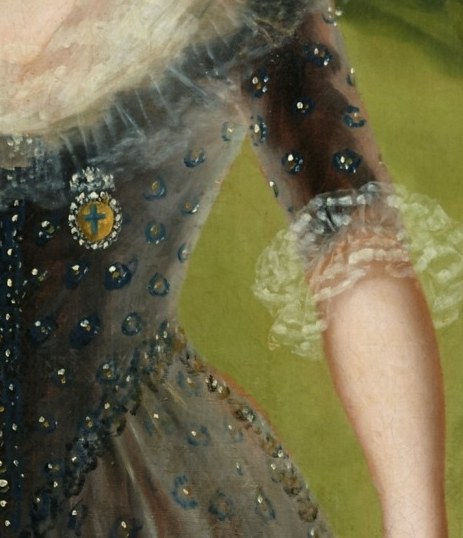
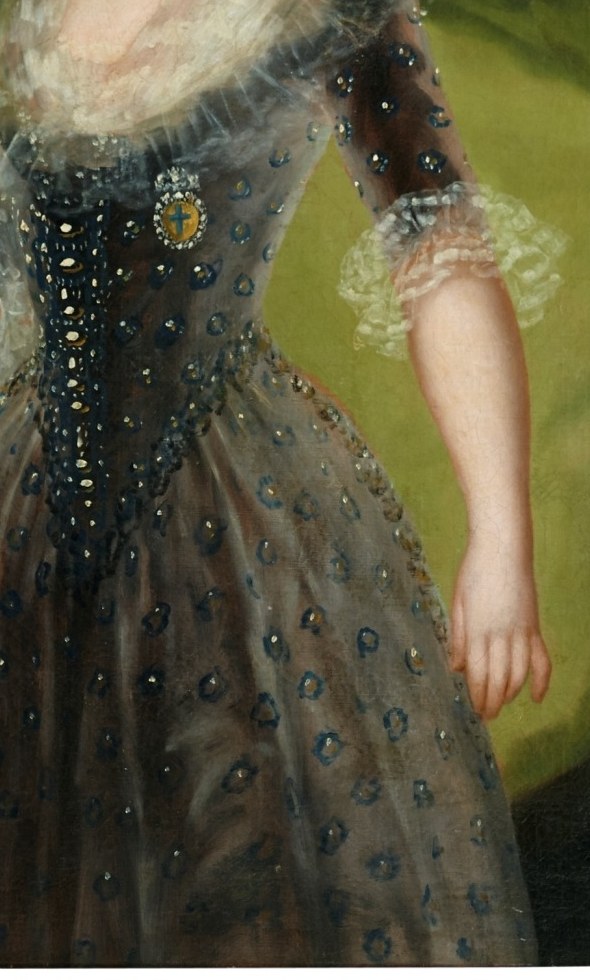
Notice the intricate jewels on her gown and the rich ermine cloak. These aren't just decorative; Maria Luisa legally owned Spain's crown jewels, a detail Goya subtly highlights to underscore her authority.
This painting cost 12,000 reales. For context, an average laborer earned about 5 reales a day, meaning this single portrait represented more than six years of a common person's wages. Goya, one of the most important Spanish artists of his time, transitioned from Rococo to a more modern style, capturing not just appearances but also the underlying political and social realities.
This portrait, therefore, is a testament to both art and economics, a lavish expense that solidified a queen's image at considerable public cost. What do you think such a portrait conveyed to the people?
Details
Transcript
This is Queen Maria Luisa of Spain, painted in 1795. Her portrait was meant to project power and wealth. But this painting was part of a deeper political strategy. Maria Luisa owned Spain's crown jewels, by law. But the cost of this portrait was 12,000 reales. An ordinary laborer earned 5 reales per day. So this portrait cost more than six years of labor.