Comtesse de la Châtre (Marie Charlotte Louise Perrette Aglaé Bontemps, 1762–1848) by Élisabeth Louise Vigée Le Brun
In 1789, on the brink of the French Revolution, Élisabeth Vigée Le Brun painted the Comtesse de la Châtre. The portrait, now in the Metropolitan Museum of Art, is a masterclass in the silent language of late-18th-century aristocratic portraiture.
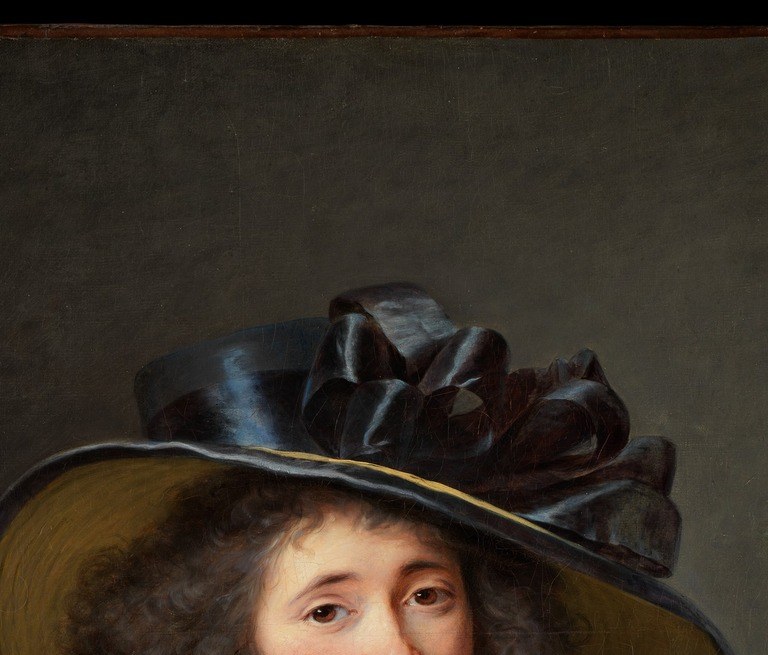
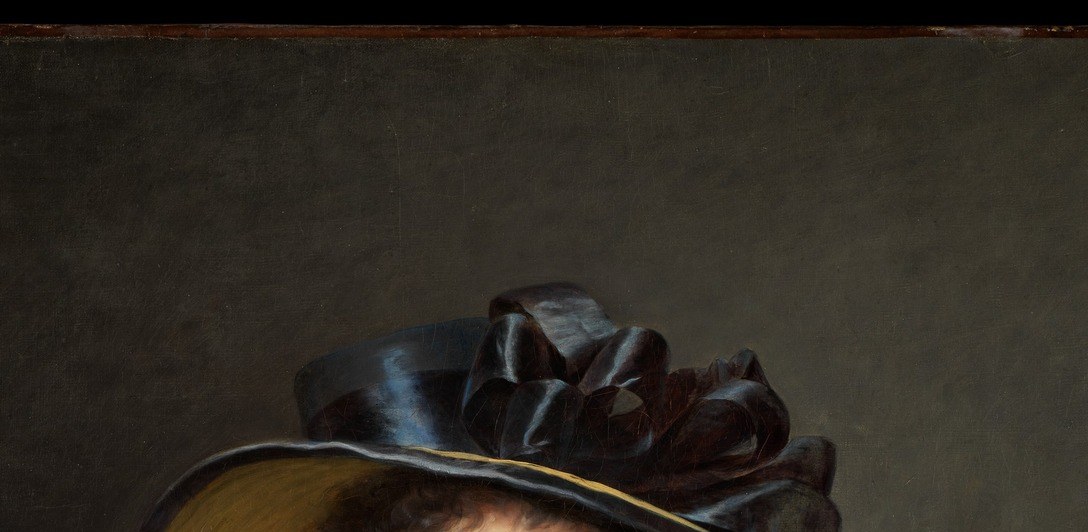
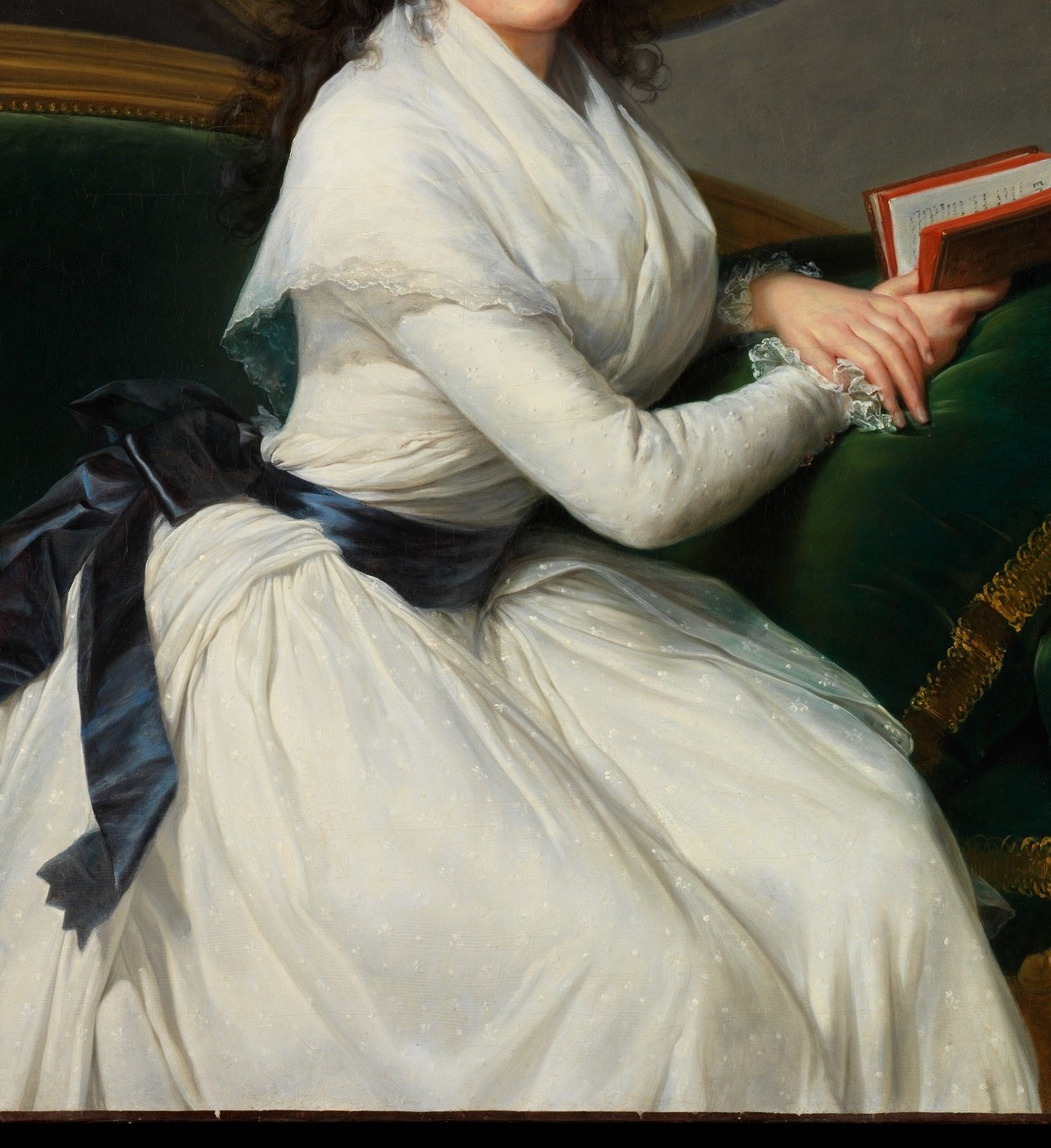
Look first at the small red book in her hands. In an era when women were often painted with fans or flowers, holding a book was a deliberate signal of literacy and an Enlightenment intellect. Notice also her unpowdered curls, a direct nod to Rousseau’s critique of aristocratic artifice, and the fashionable Anglomanie hat that Vigée Le Brun herself was criticized for wearing.
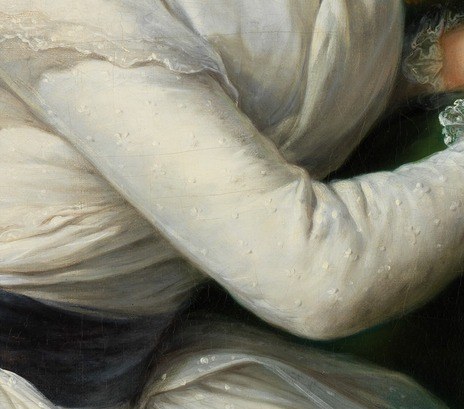
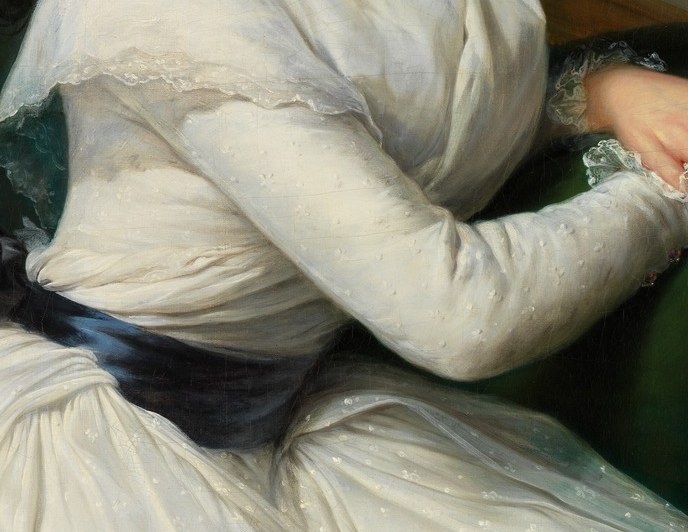
On closer inspection, the hands reveal the artist’s technical brilliance. One hand is bare, the other partially gloved in a beautiful lace mitt, an asymmetrical detail that draws the eye. The white satin dress, occupying a third of the canvas, is a virtuosic study in light and texture, anchored by the deep blue sash.
Vigée Le Brun, Marie Antoinette’s favorite portraitist, excelled at making her sitters look both graceful and natural. Here, the countess’s steady, intelligent gaze feels remarkably modern. What do you think she is thinking, as the world outside her salon is about to change forever?
#arthistory #portraiture #womenartists
Details
Transcript
Paris, 1789. On the eve of revolution, a countess sits for her portrait. In her hands: a small red book. Not a prayer book, not a fan. Holding a book was a declaration of a cultivated, Enlightenment mind. Her hair is unpowdered and natural. That was a political choice. Rousseau had made powder a symbol of aristocratic excess. She sided with nature. One hand is gloved, the other is bare. A deliberate, studied asymmetry. Finally, look at her face. She meets your gaze as an equal, not a subject. The code adds up: she is not just an aristocrat, but an intellectual.