Artwork
Comtesse de la Châtre (Marie Charlotte Louise Perrette Aglaé Bontemps, 1762–1848)
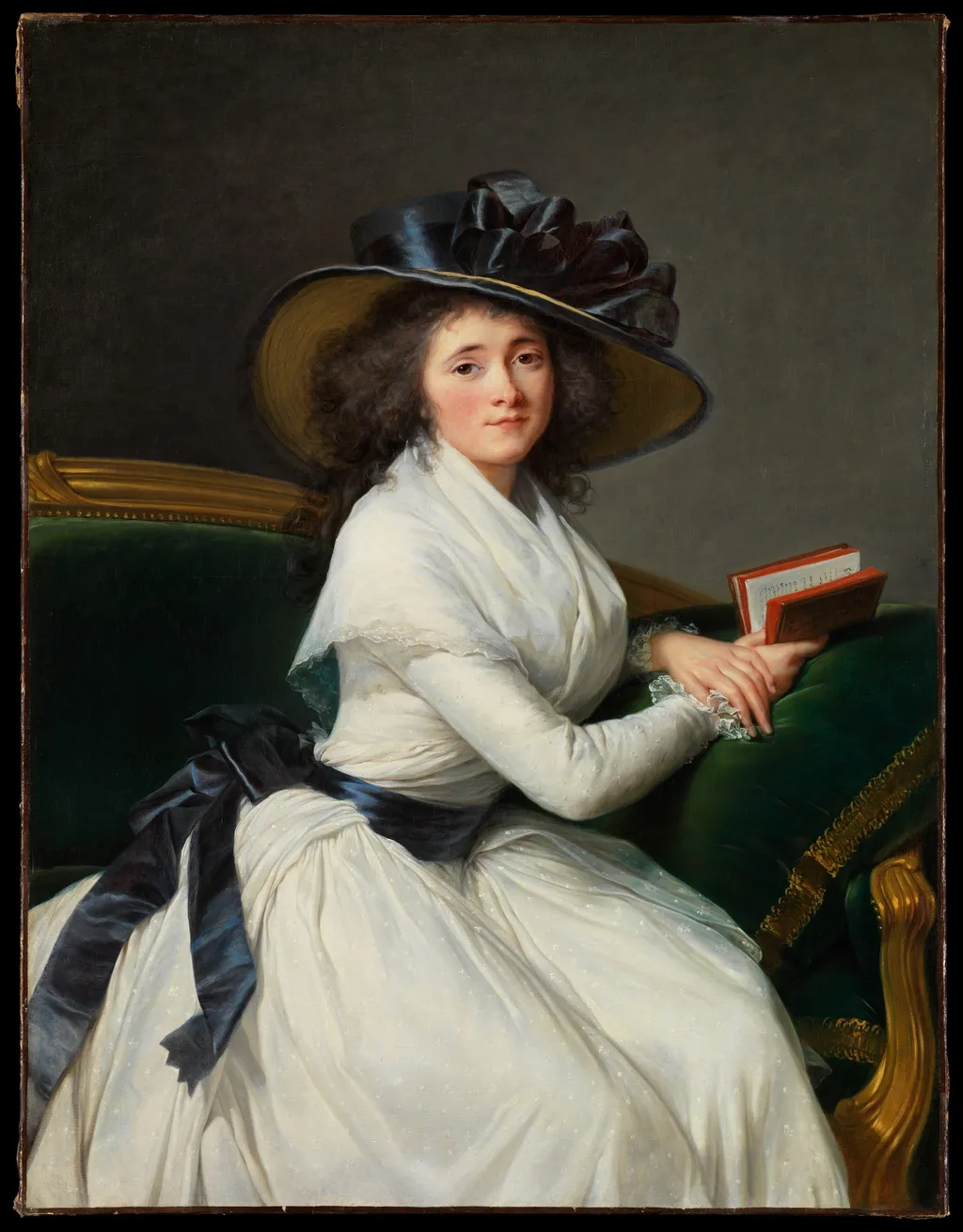
Comtesse de la Châtre (Marie Charlotte Louise Perrette Aglaé Bontemps, 1762–1848) is an oil painting by the Rococo painting artist Élisabeth Louise Vigée Le Brun. It dates from 1795 and is held in the collection of the Metropolitan Museum of Art. Comtesse de la Châtre is an oil painting created by Élisabeth Vigée Le Brun in 1789.
About this work
Subject & Meaning
The book signals intellectual engagement, while the white muslin and understated accessories align with Enlightenment ideals of cultivated modesty.
The portrait depicts Marie Charlotte Louise Perrette Aglaé Bontemps, Comtesse de la Châtre, seated in an interior setting. She is dressed in a fashionable white muslin gown, a garment noted in several sources as her preferred attire for both daily life and portraiture, symbolizing the era’s taste for natural simplicity and refined virtue. Beside her lie a book, a ribbon, a hat, and a couch, elements that together suggest her erudition, femininity, leisure, and domestic refinement.
The book signals intellectual engagement, while the white muslin and understated accessories align with Enlightenment ideals of cultivated modesty. Overall, the work presents the comtesse as an aristocratic woman of fashionable sensibility and intellectual promise, foreshadowing her later marriage to François Arnail de Jaucourt.
Technique & Style
The portrait is executed in oil on canvas, measuring 114.3 cm in height and 87.6 cm in width. Vigée Le Brun employs a refined handling of oil paint to render the sitter’s features with smooth transitions and delicate modeling, characteristic of her portrait style. The composition features the Comtesse de la Châtre seated, dressed in a white muslin gown, holding a book and wearing a ribbon and hat, against a softly blended background.
The brushwork is precise yet fluid, emphasizing the textures of the muslin fabric and the satin ribbons, while the overall tonality remains restrained, aligning with late eighteenth-century French portrait conventions. The work remains in good condition, as indicated by its display history at the Metropolitan Museum of Art, Gallery 631.
History & Provenance
The Comtesse de la Châtre was painted in 1789 by Élisabeth Louise Vigée Le Brun as an oil on canvas portrait of Marie Charlotte Louise Perrette Aglaé Bontemps. The work entered the collection of the Metropolitan Museum of Art in New York, where it is displayed in Gallery 631. No earlier owners or commission details are recorded in the available sources; the painting’s provenance is therefore traced from its creation to its present holding at the Met.
Overview
Comtesse de la Châtre is an oil painting created by Élisabeth Vigée Le Brun in 1789. This portrait depicts Marie Charlotte Louise Perrette Aglaé Bontemps, Comtesse de la Châtre, a prominent figure of the late 18th century. The work is currently housed in the collection of the Metropolitan Museum of Art in New York, representing a significant example of French portraiture from the pre-Revolutionary era.
Context
Created in 1789, this portrait dates to the eve of the French Revolution, a period of significant social and political upheaval. Vigée Le Brun, a favored painter of the French aristocracy, often depicted her subjects with an air of grace and naturalness that contrasted with earlier, more formal styles. The Comtesse's elegant yet understated attire reflects a shift in fashion towards simpler forms, even amidst the opulence of the ancien régime.
Own this work as a print
Artist & collection
Artist
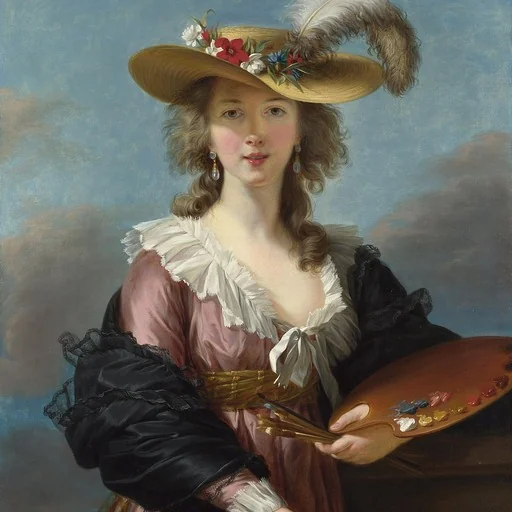
Élisabeth Louise Vigée Le Brun
Élisabeth Louise Vigée Le Brun (French:; née Vigée; 16 April 1755 – 30 March 1842), also known as Louise Élisabeth Vigée Le Brun or simply Madame Le Brun, was a French painter who mostly specialized in portrait…

 The Marquise de Pezay, and the Marquise de Rougé with Her Sons Alexis and Adrien
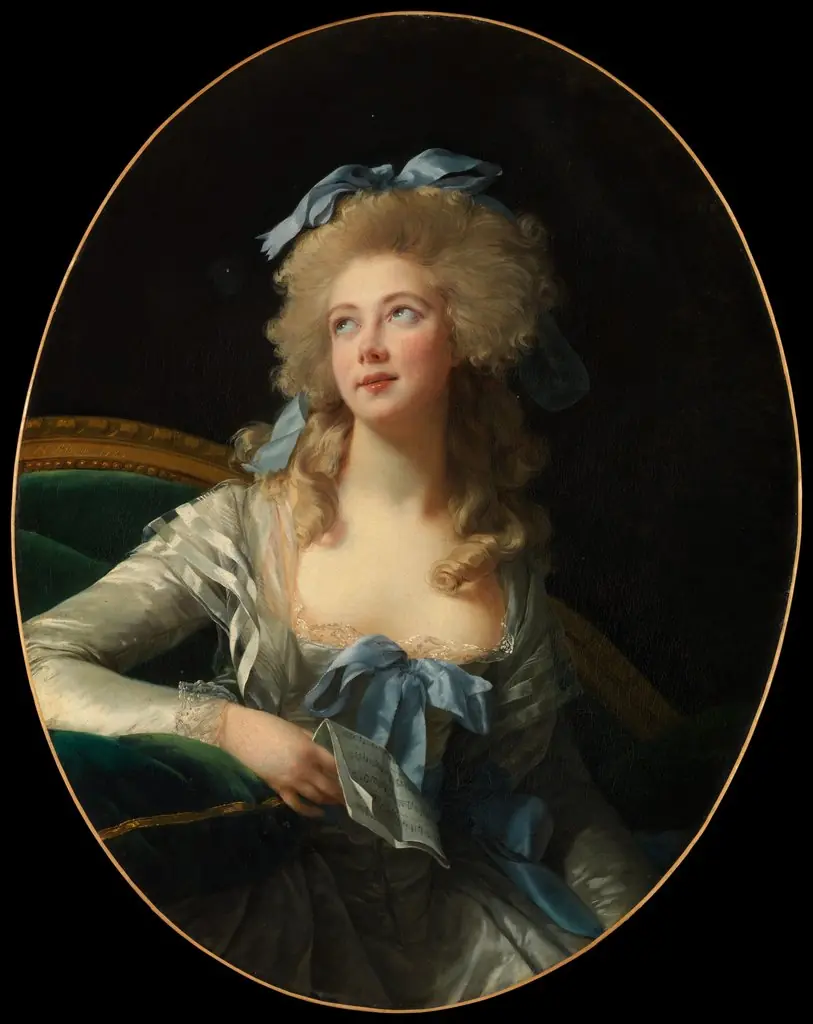 Madame Grand (Noël Catherine Verlée, 1761–1835)
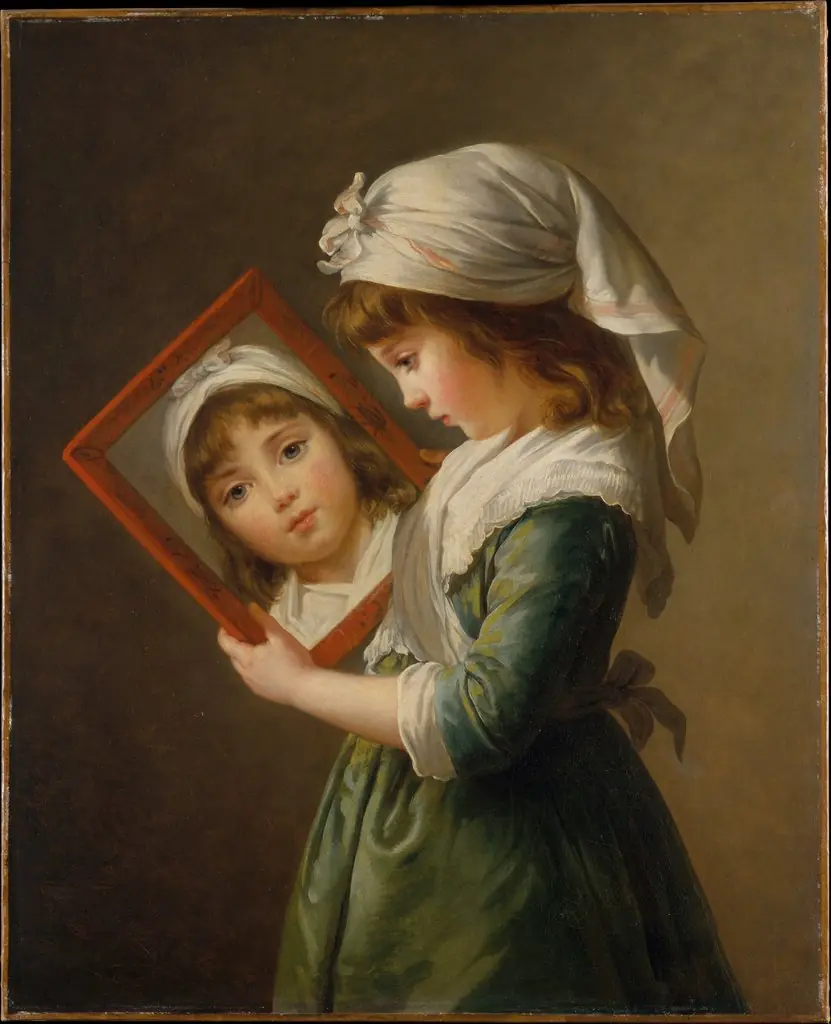 Julie Le Brun (1780–1819) Looking in a Mirror
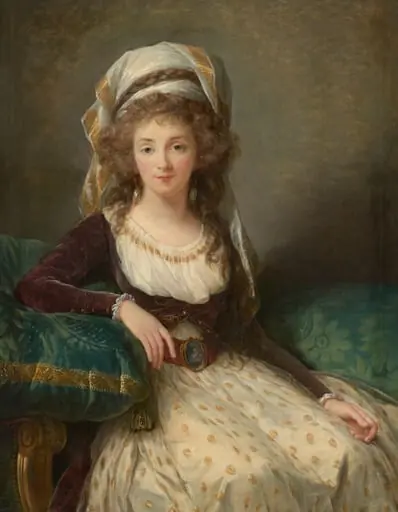 Madame d'Aguesseau de Fresnes
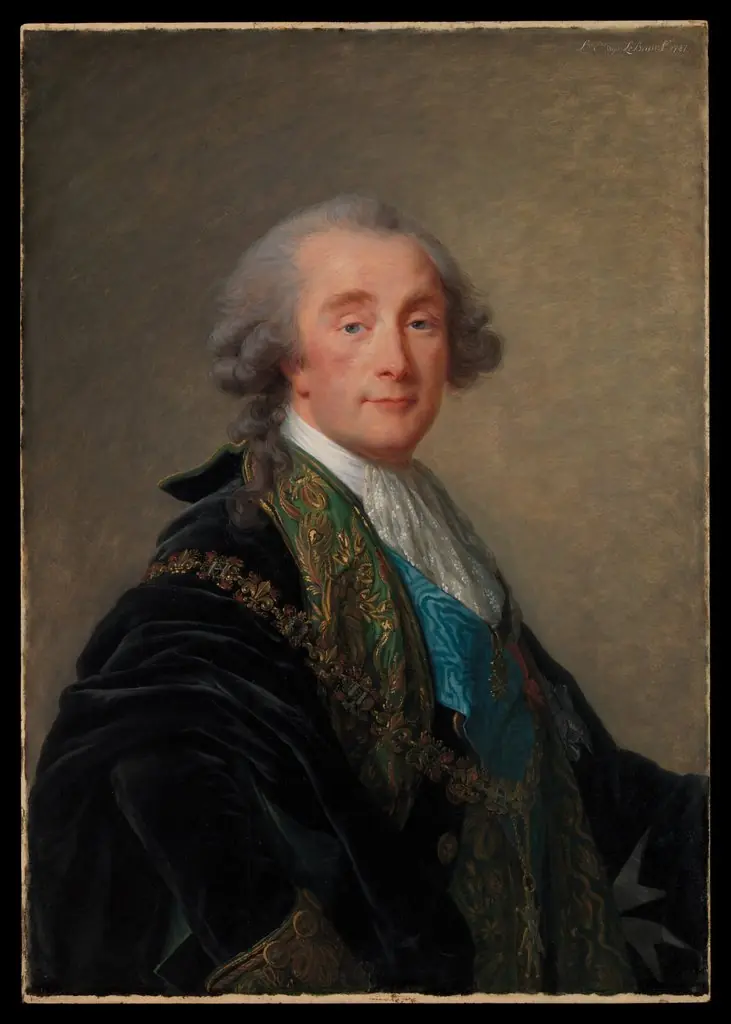 Alexandre Charles Emmanuel de Crussol-Florensac (1743–1815)
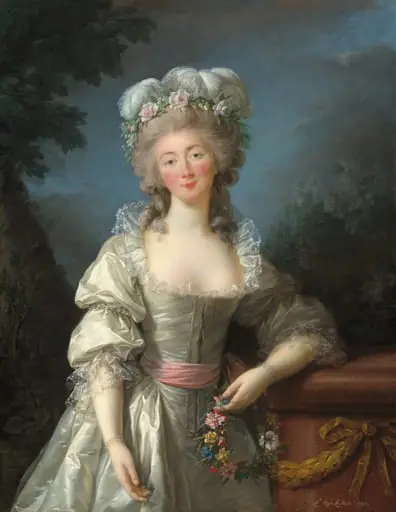 Madame du Barry
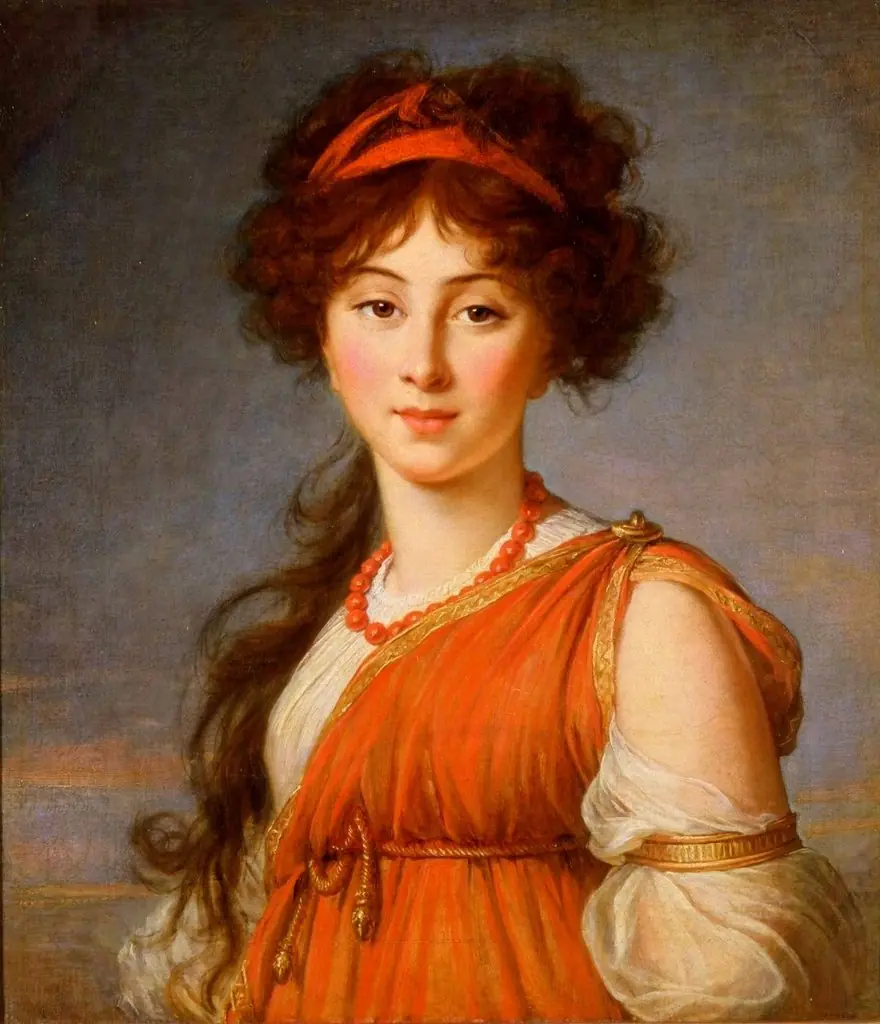 Varvara Ivanovna Ladomirsky
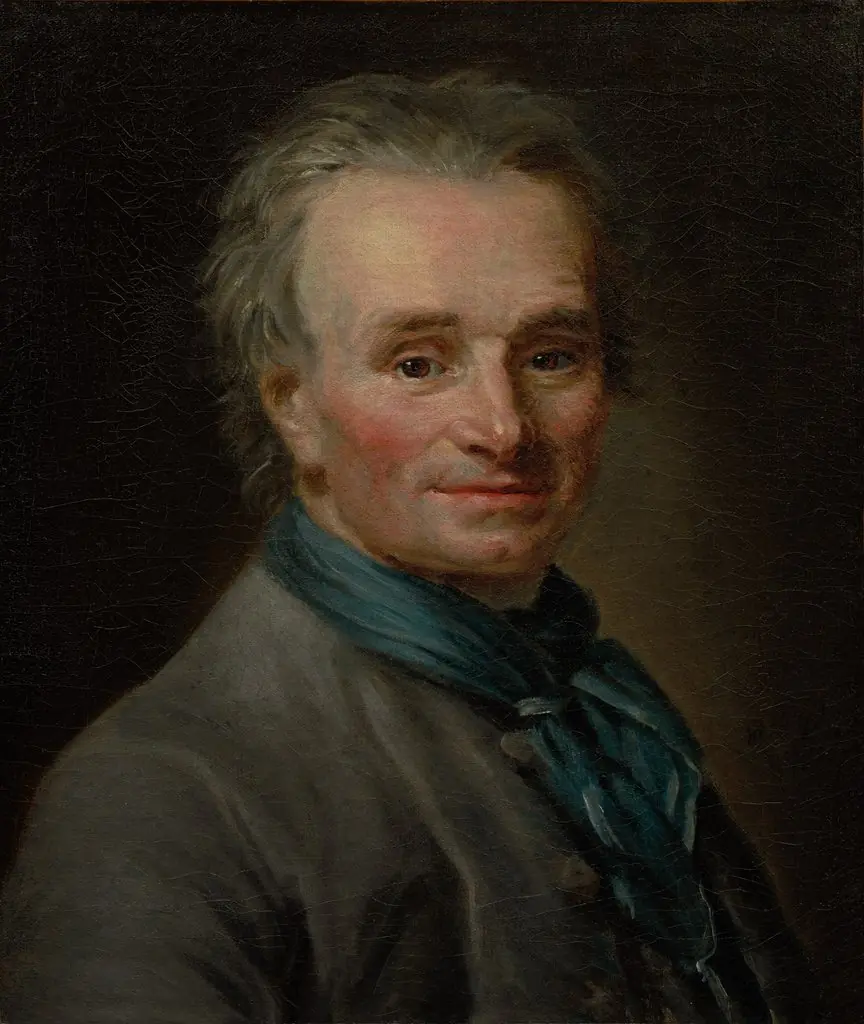 Portrait of Jean-Baptiste Lemoyne the Younger
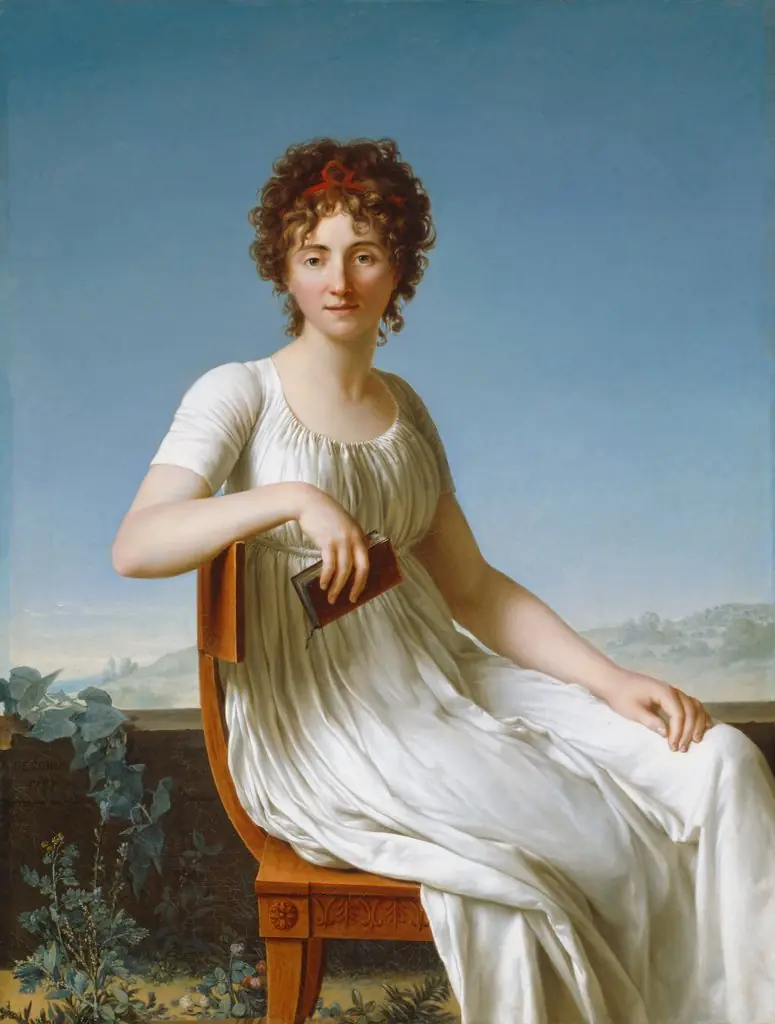 Portrait of Constance Pipelet
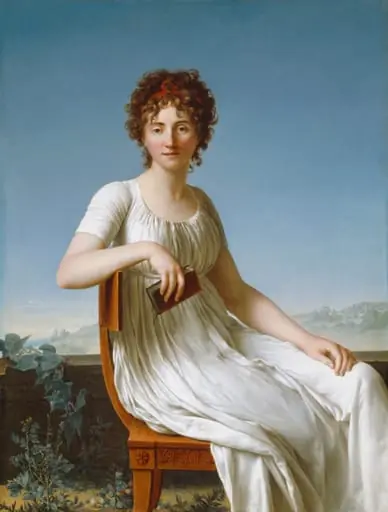 Portrait of Constance Pipelet
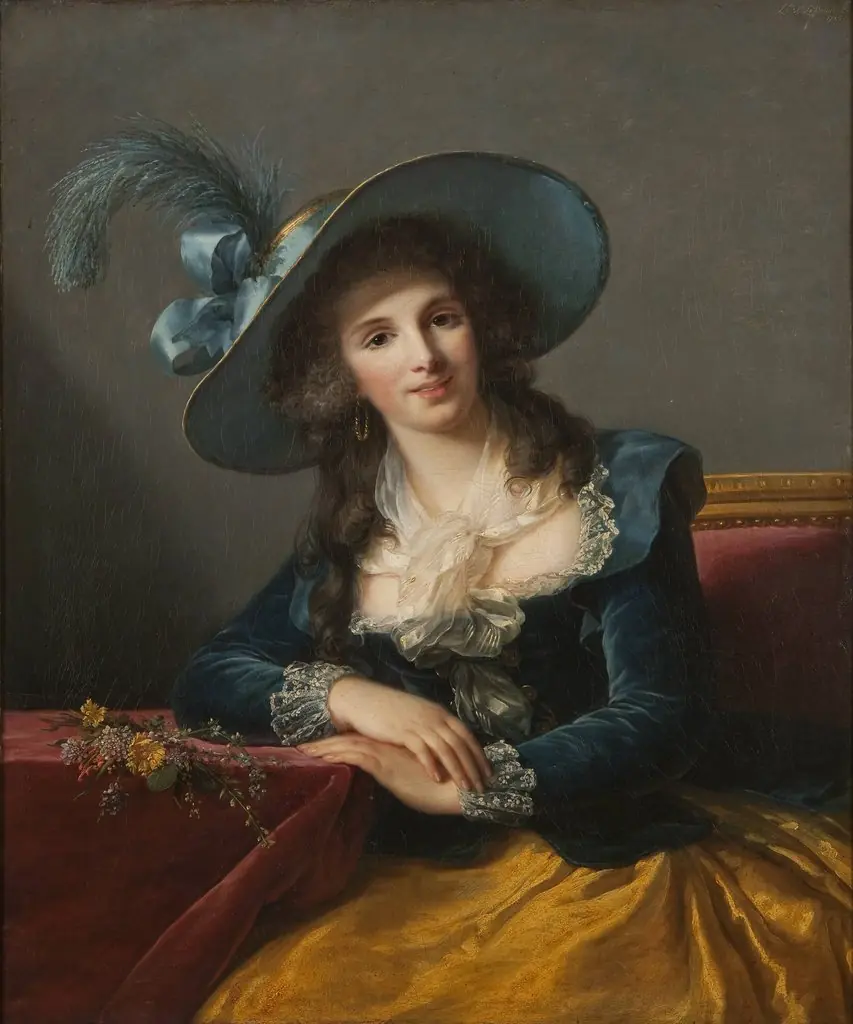 Antoinette-Elisabeth-Marie d'Aguesseau, Countess of Ségur
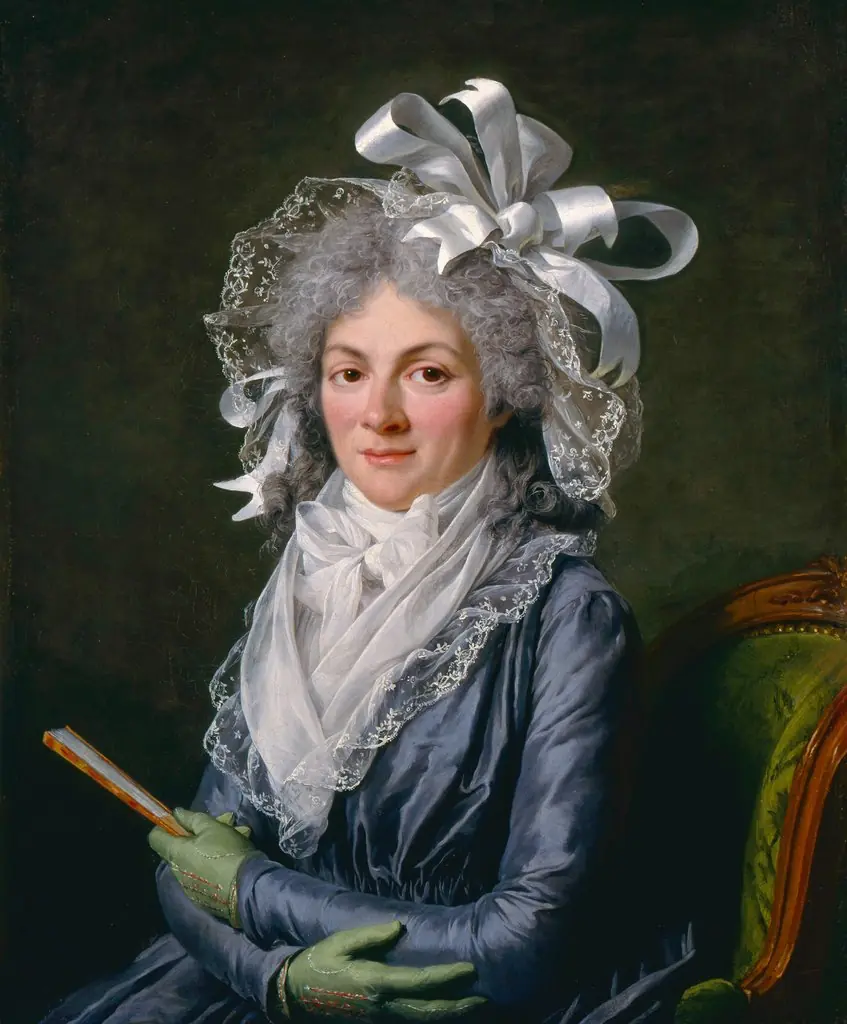 Portrait of Madame de Genlis
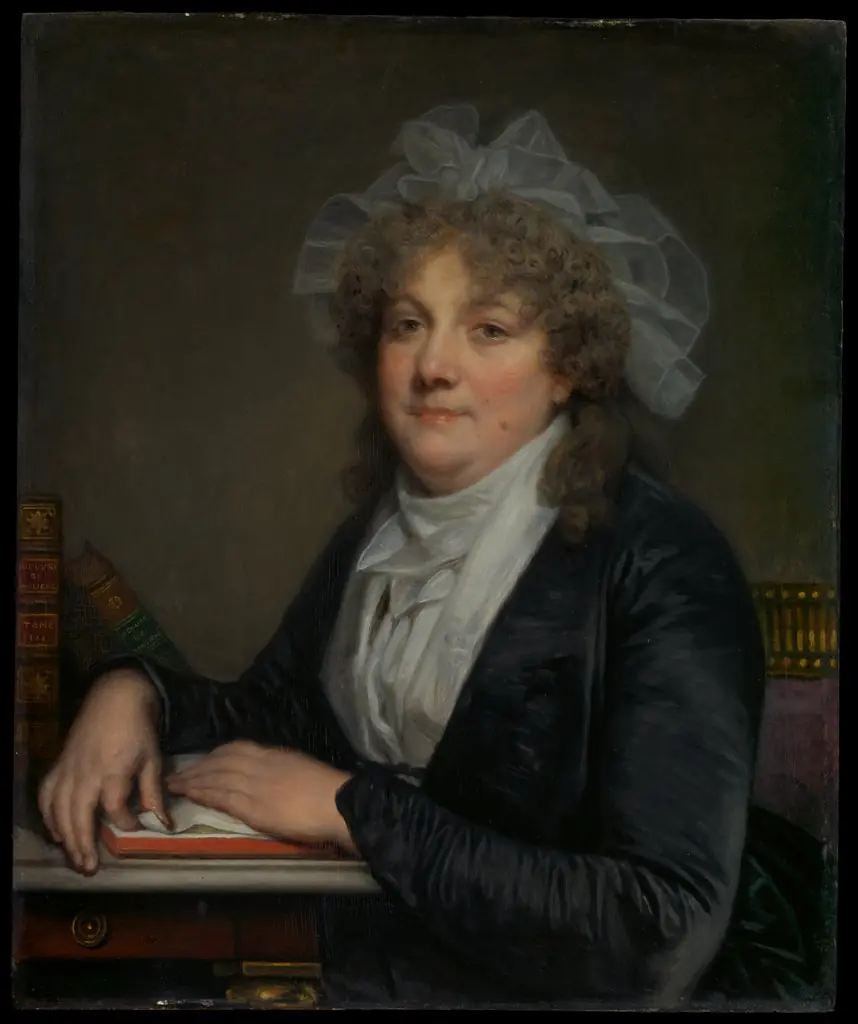 Madame Jean-Baptiste Nicolet (Anne Antoinette Desmoulins, 1743–1817)
 Portrait of Madame Augustine Bertin de Veaux
 Countess of Chinchon
 Portrait of a Woman Holding a Pencil and a Drawing Book
 Portrait of Elisabeth Demidova