The Finish by American 19th Century
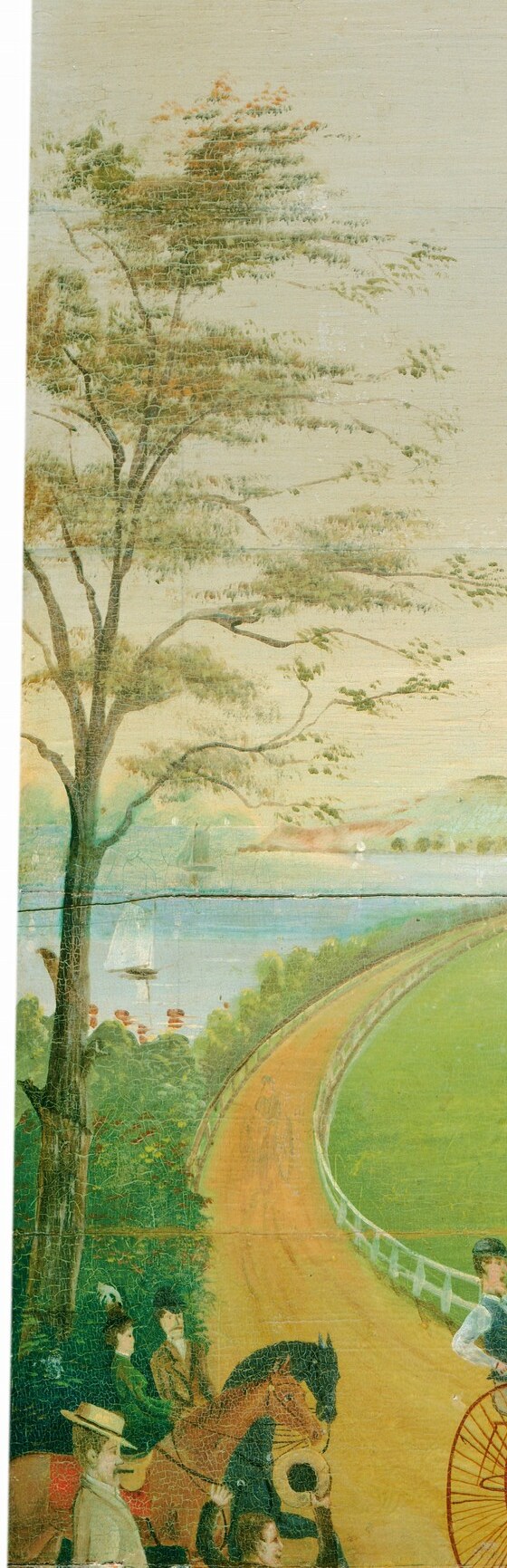
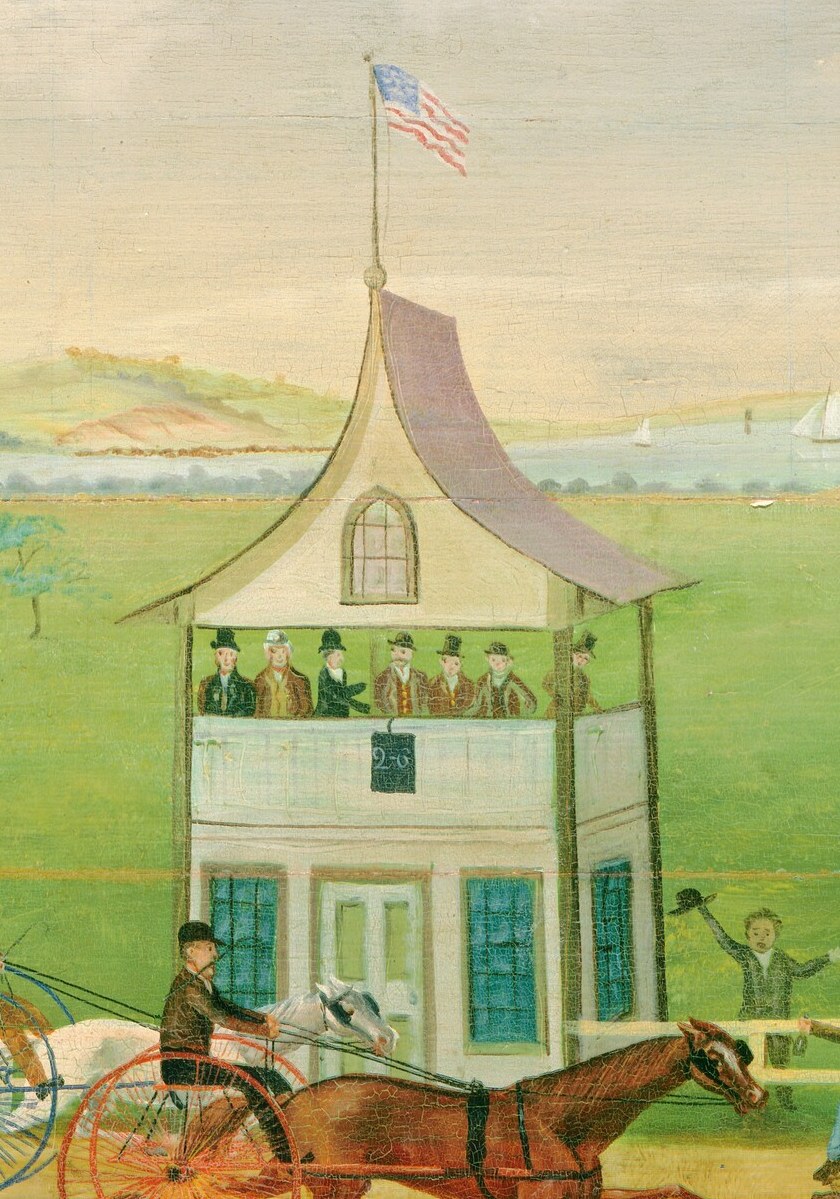
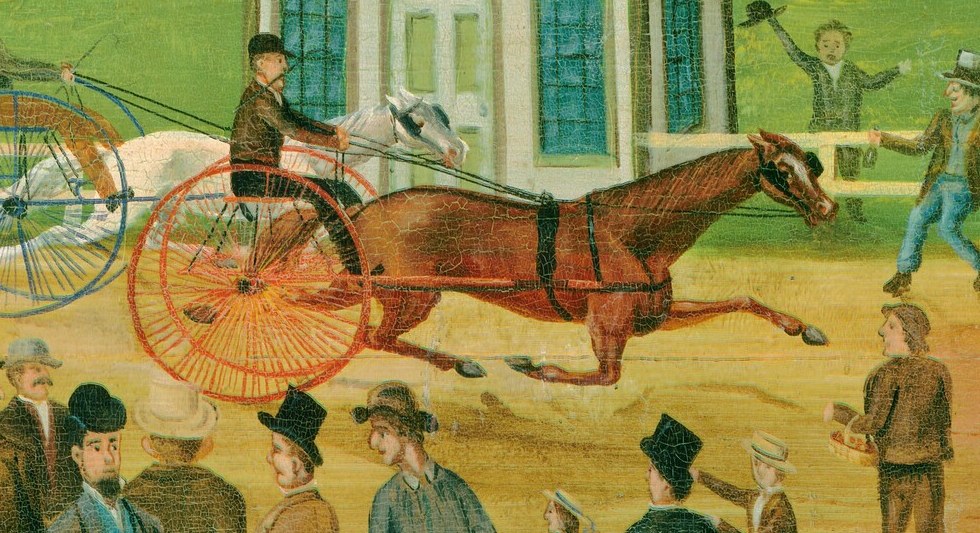
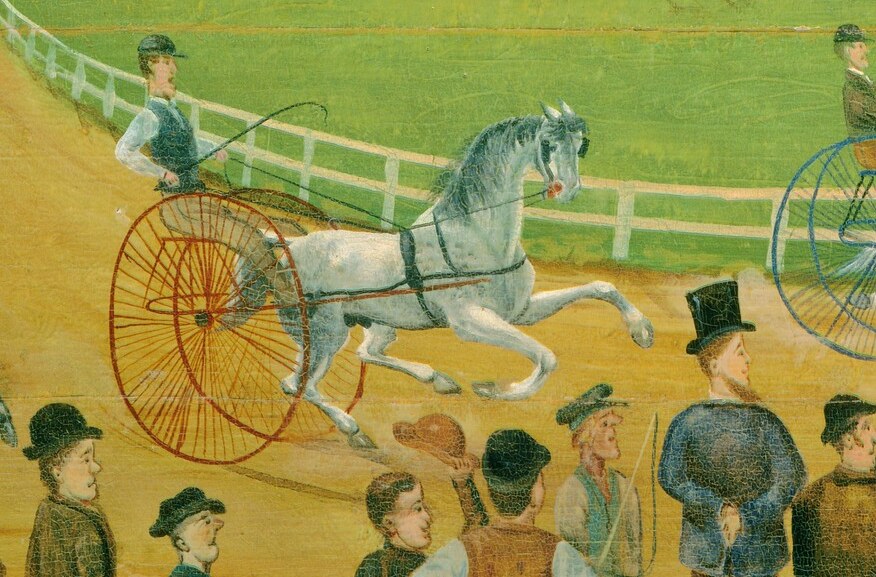
"The Finish," painted around 1860 by an anonymous 19th-century American artist, is more than just a tranquil depiction of a house. This oil on wood panel painting, housed in an undisclosed museum, once played a crucial role in a real-life art crime.
Initially, its simple composition, featuring a white house, bare tree branches, and a low stone wall under a subdued gray-blue sky, seems to invite quiet contemplation. The artist used impasto, applying thick paint to create texture and luminosity, particularly in the white areas of the house.
However, this painting was not created for display. Its true purpose was to serve as a decoy, concealing a much more famous, stolen artwork. The quiet facade of "The Finish" masked a dramatic chapter in art history, acting as a cover for a valuable piece on the run.
It makes you wonder, what other stories might be hidden behind seemingly ordinary works of art?
Details
Transcript
This painting, in a museum, looks like a quiet house. The bare branches and low wall suggest a simple, still scene. But its real purpose was to hide something else. It was created to conceal a stolen, much more famous painting. This quiet house, in fact, is a cover for a crime.