The Third of May 1808 by Francisco Goya
The Third of May 1808 by Francisco Goya (1814) is one of the most powerful anti-war statements in art history. Goya sought to commemorate Spanish resistance to Napoleon's armies, depicting the brutal execution of civilians. This work is considered one of the first paintings of the modern era due to its raw emotional force and departure from traditional war depictions.
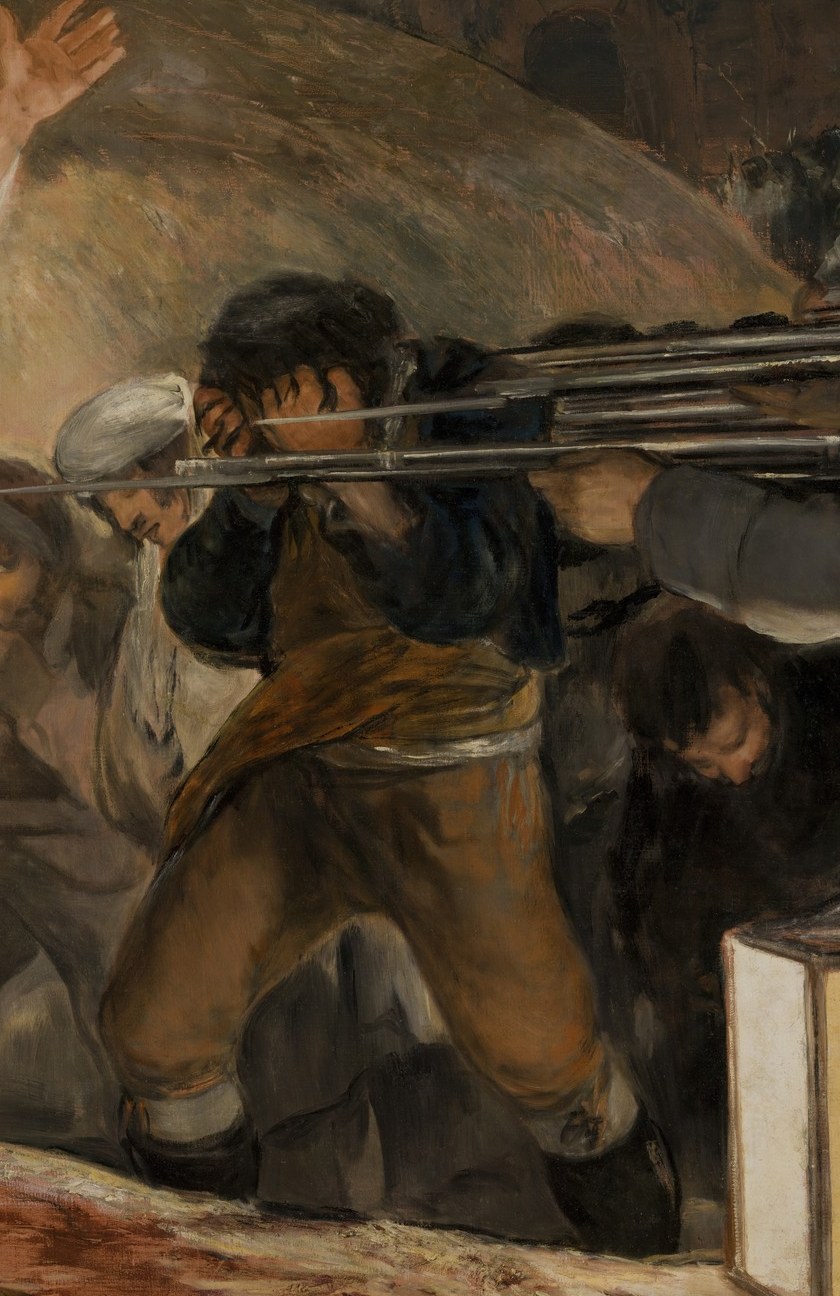
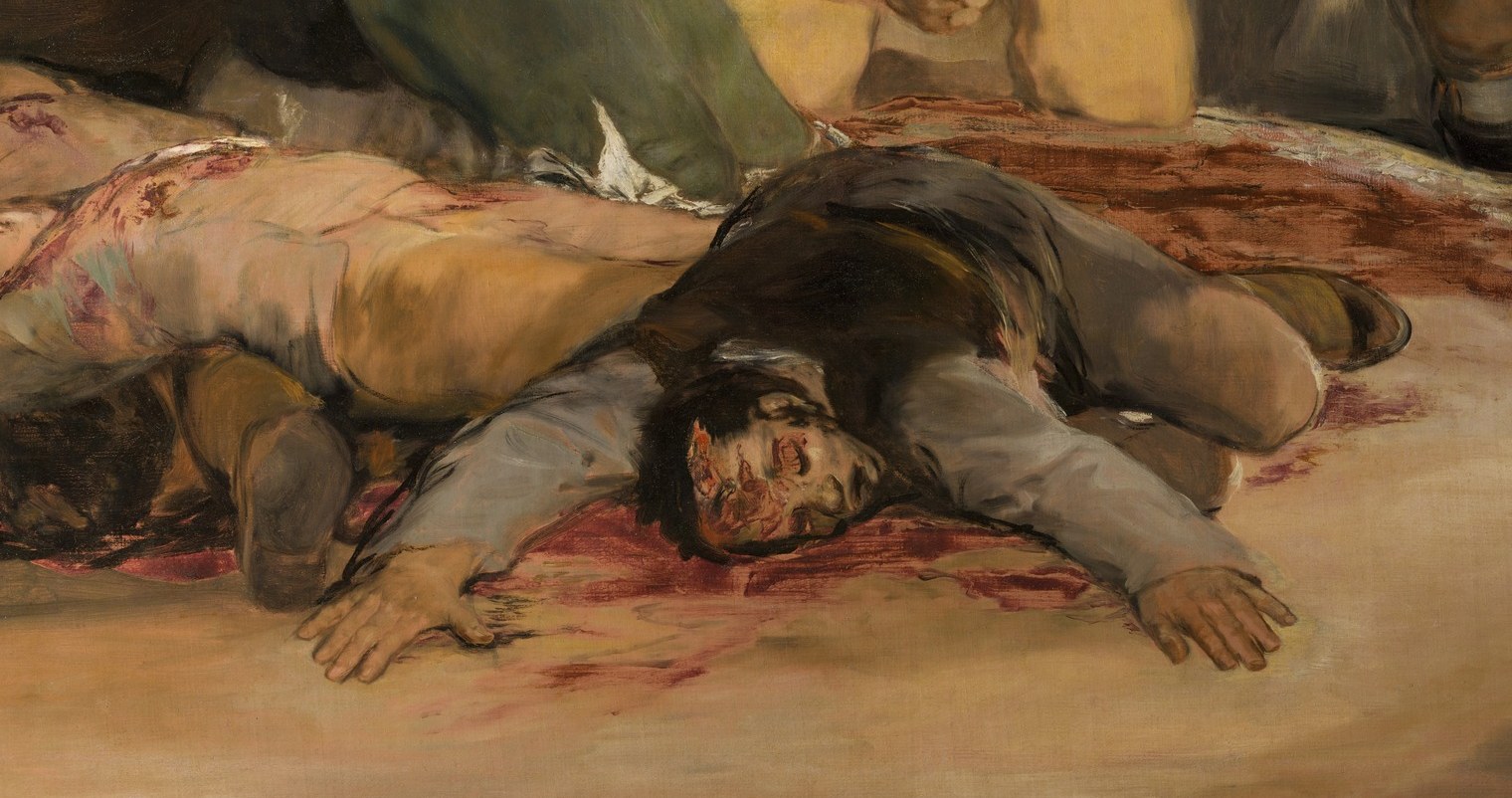
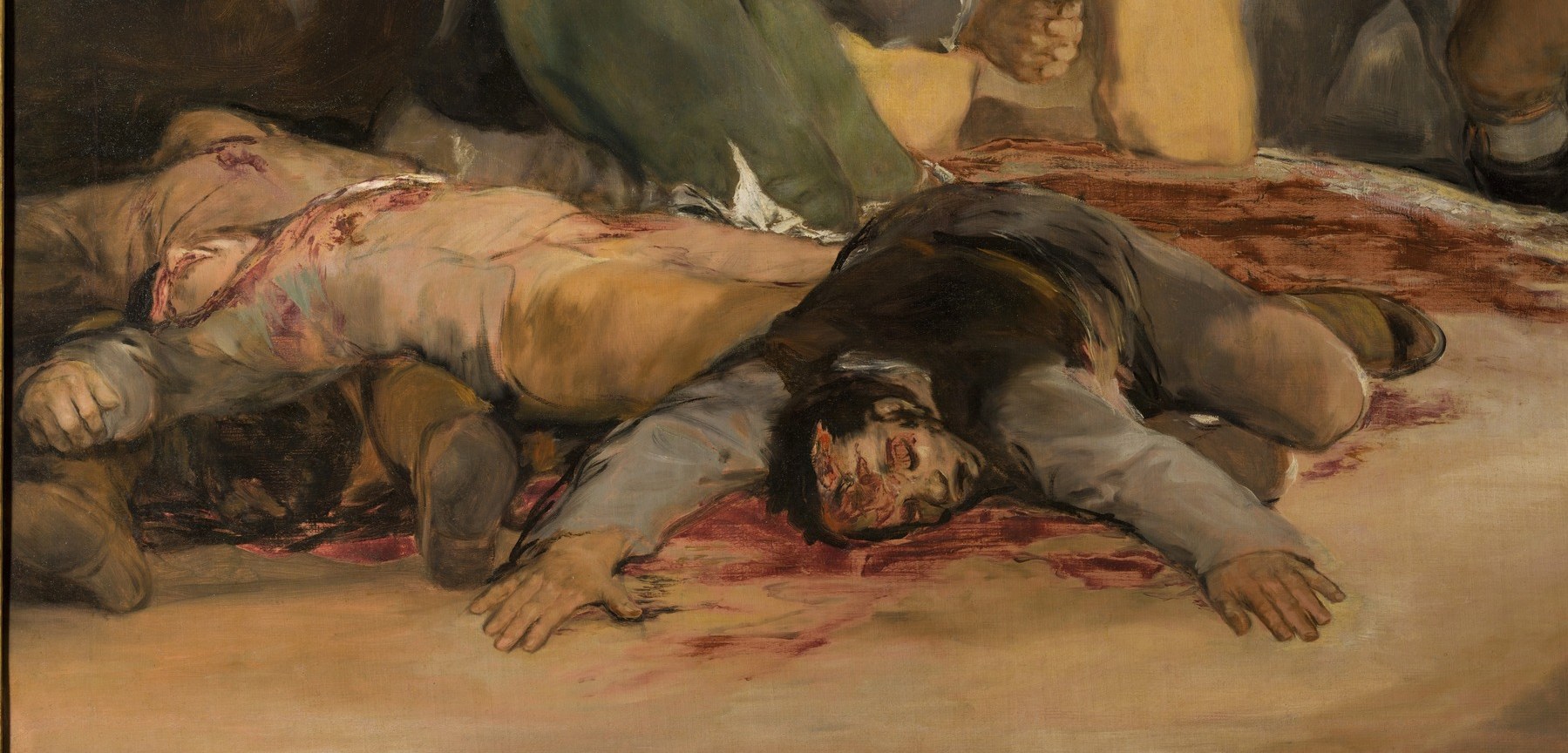
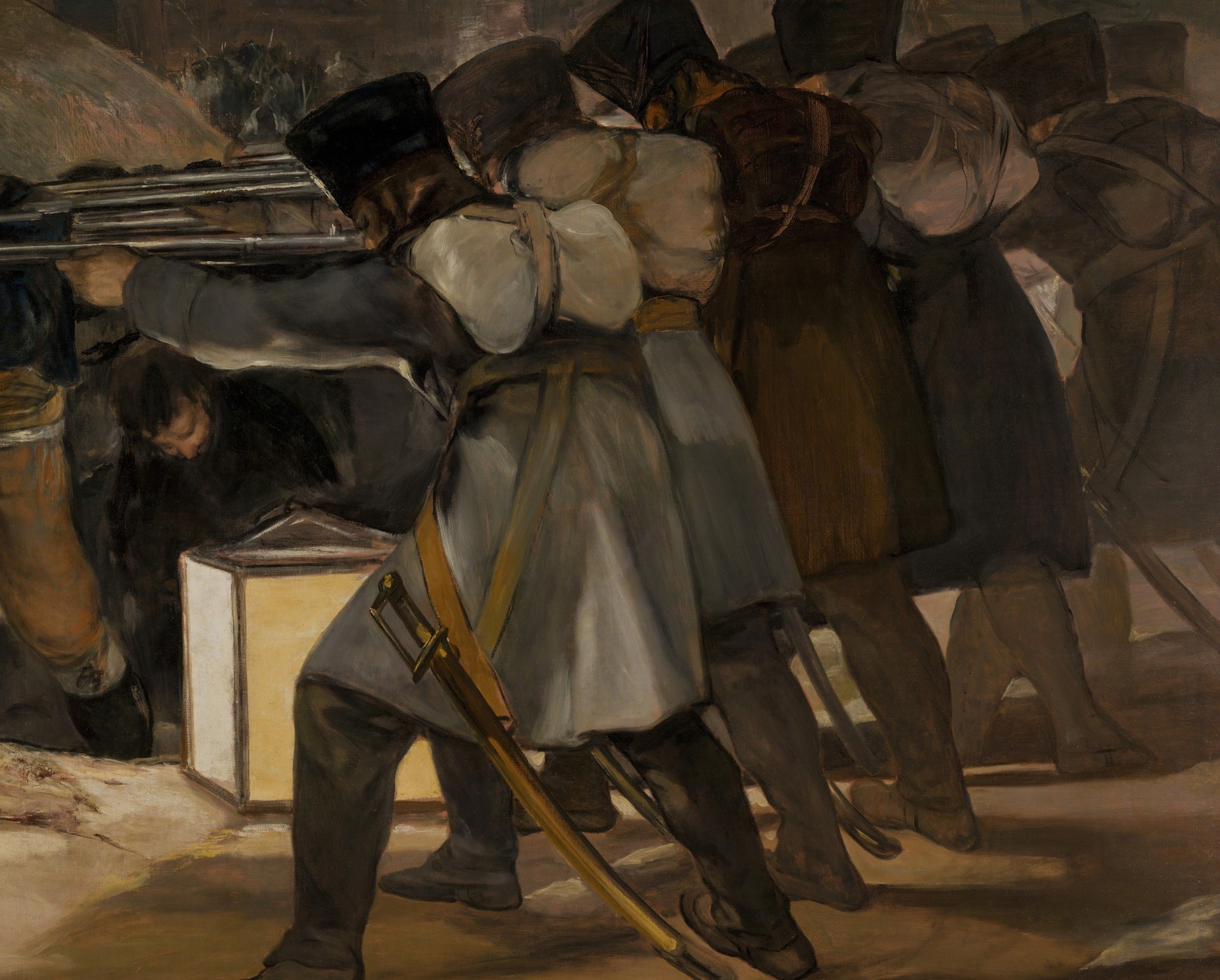
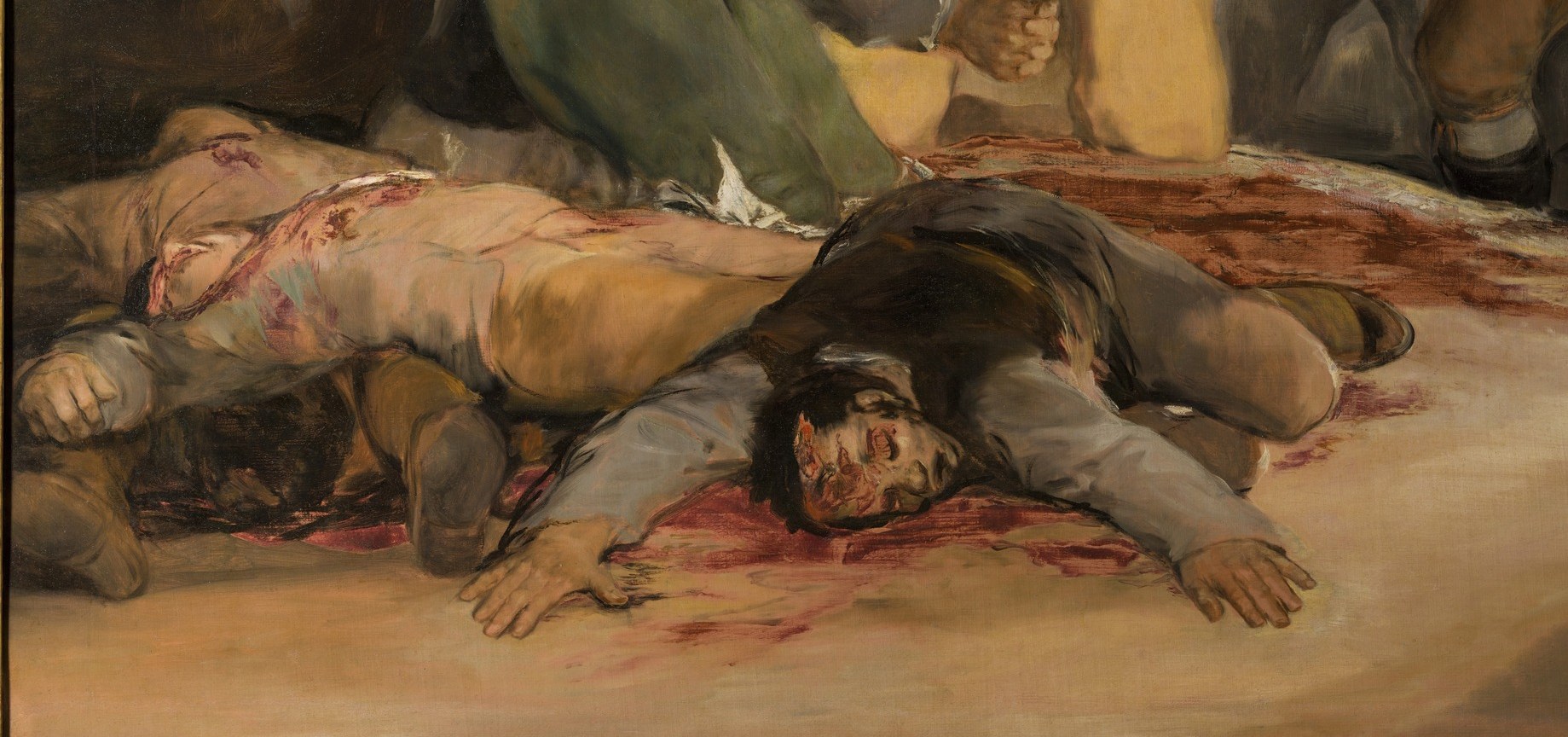
Look at the stark contrast between the illuminated victims and the faceless firing squad. The central figure in white, arms raised, conveys both defiance and terror, becoming an archetypal image of suffering. The bloodstains and pile of bodies in the background emphasize the massacre's horrific reality.
Commissioned by the provisional government of Spain shortly after the French occupation, Goya's painting captures a moment of intense violence and resistance. Its visceral portrayal of human suffering and the dehumanizing nature of war set a new precedent for artistic expression, influencing countless artists and even the design of the peace symbol.
Details
Transcript
These soldiers are faceless and mechanical. They are about to kill these men. A man in white stares back, defiant. Goya painted this after the occupation ended. His pose became a symbol for war's victims. This was one of the first modern paintings. Look at the blood stains on the ground. Goya wanted to show Spain's resistance.