Saint Dominic in Penitence by Filippo Tarchiani
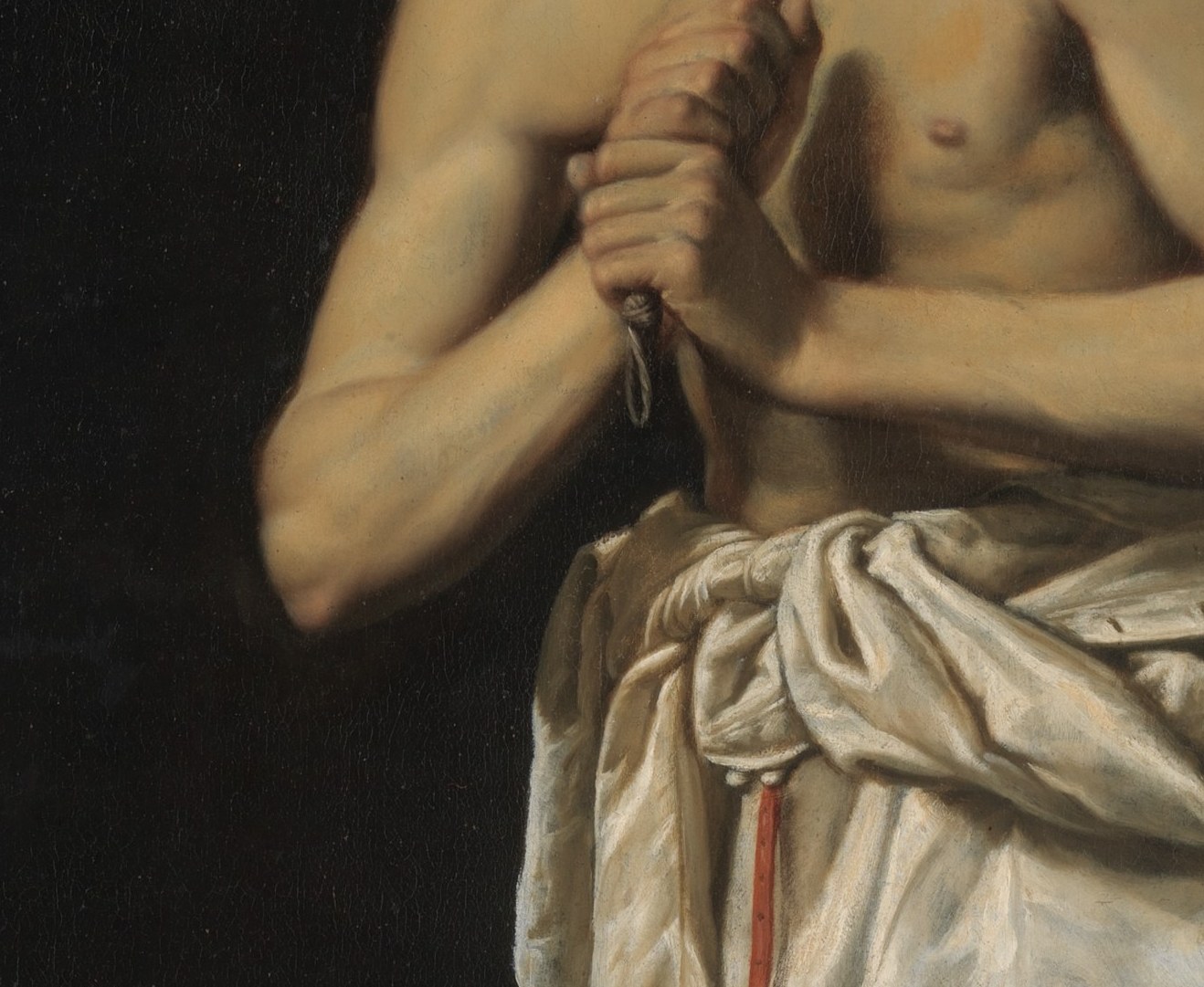
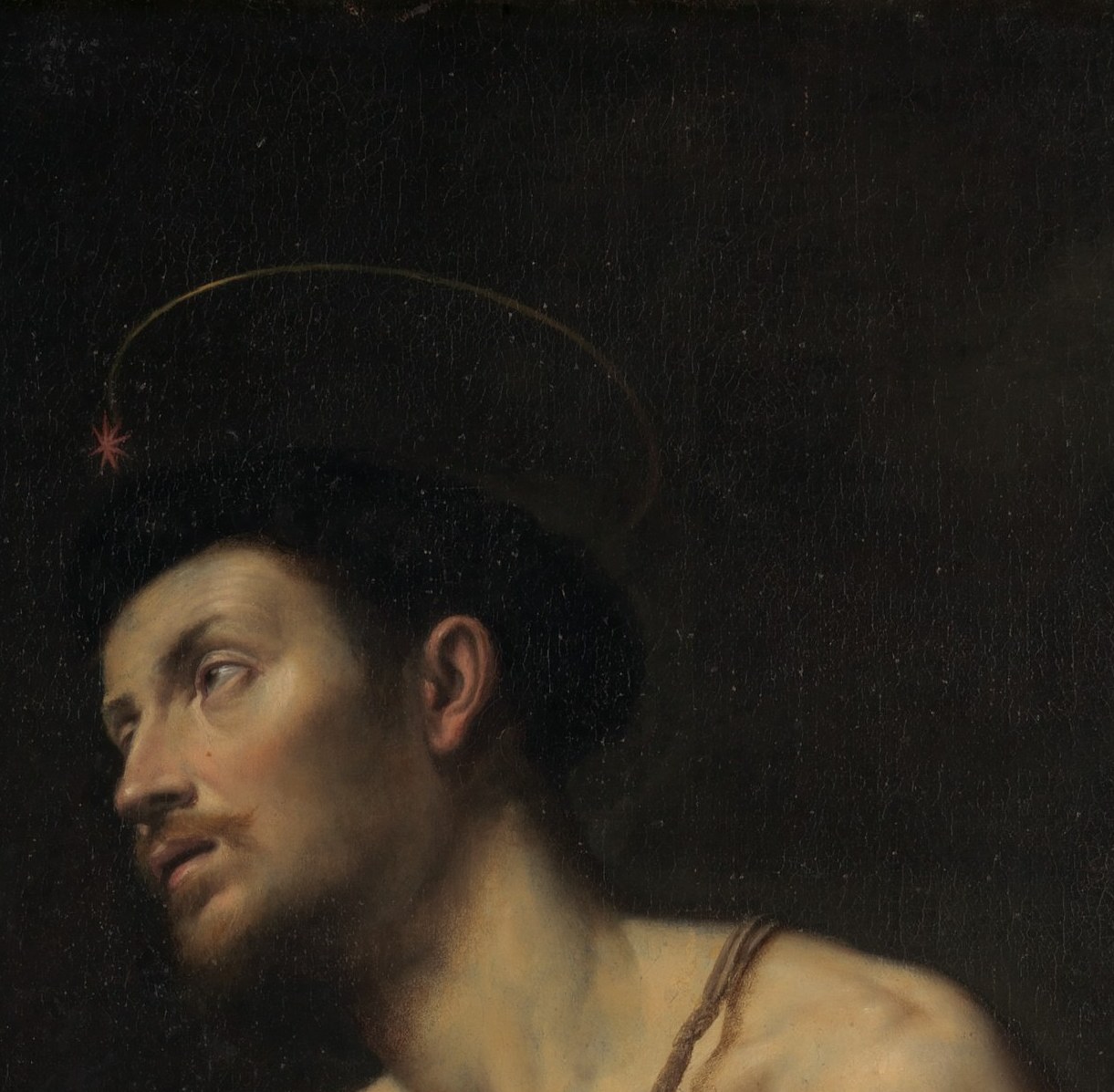
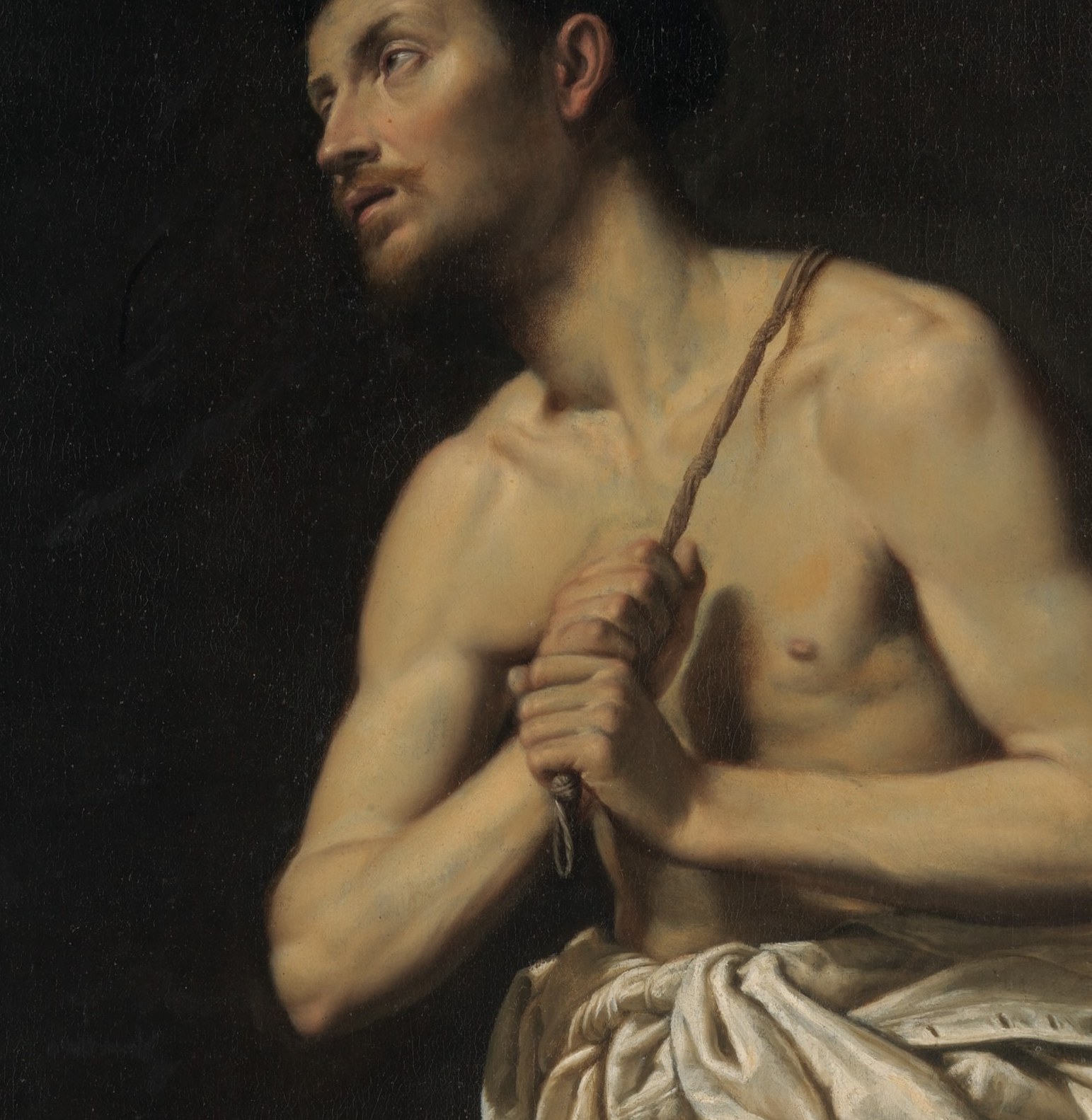
This is Filippo Tarchiani's "Saint Dominic in Penitence," painted in 1607 and now at The Metropolitan Museum of Art. It shows the founder of the Dominican Order in a moment of private, physical devotion, whip in hand, face turned upward in a mix of anguish and rapture.
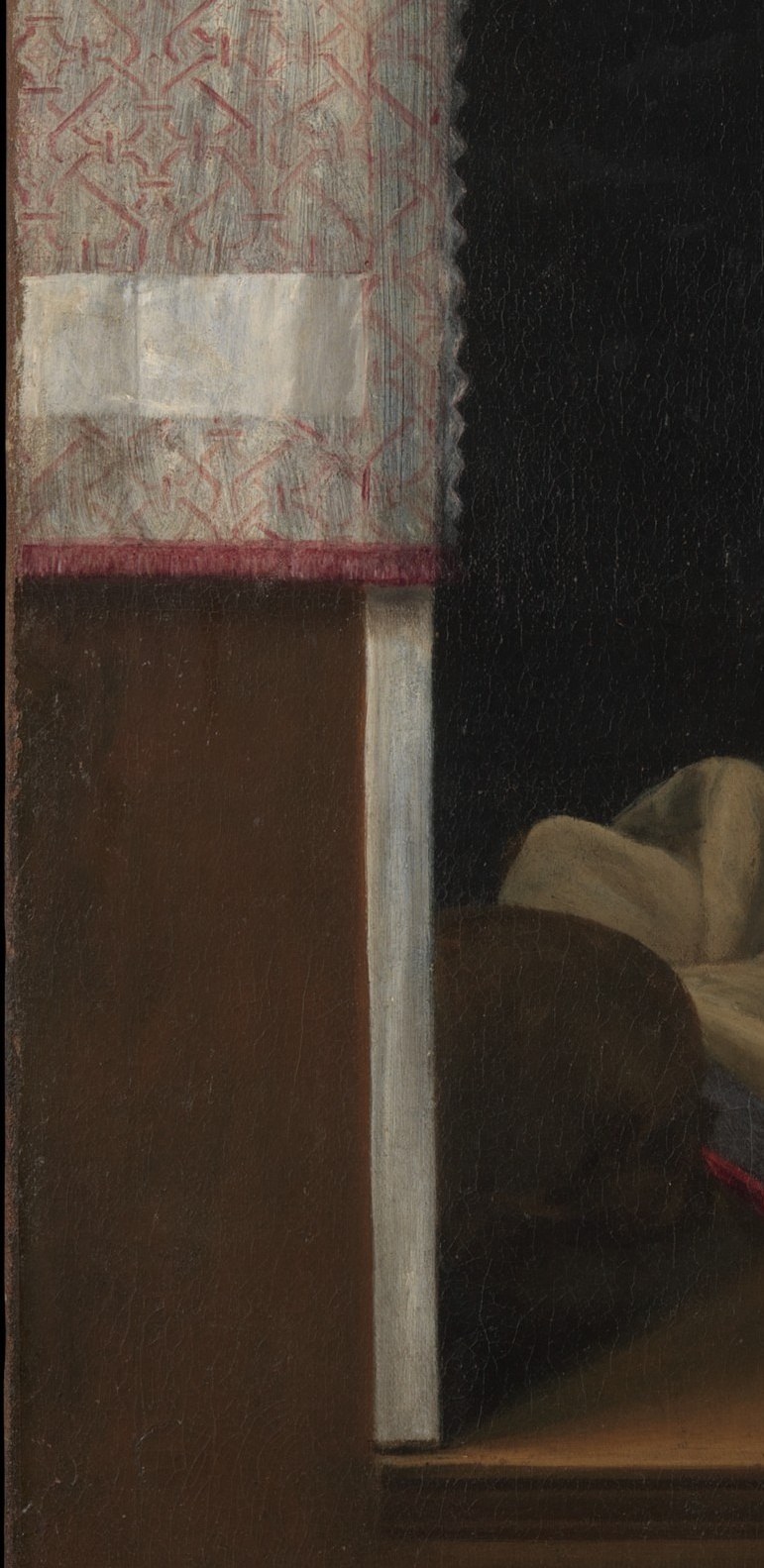
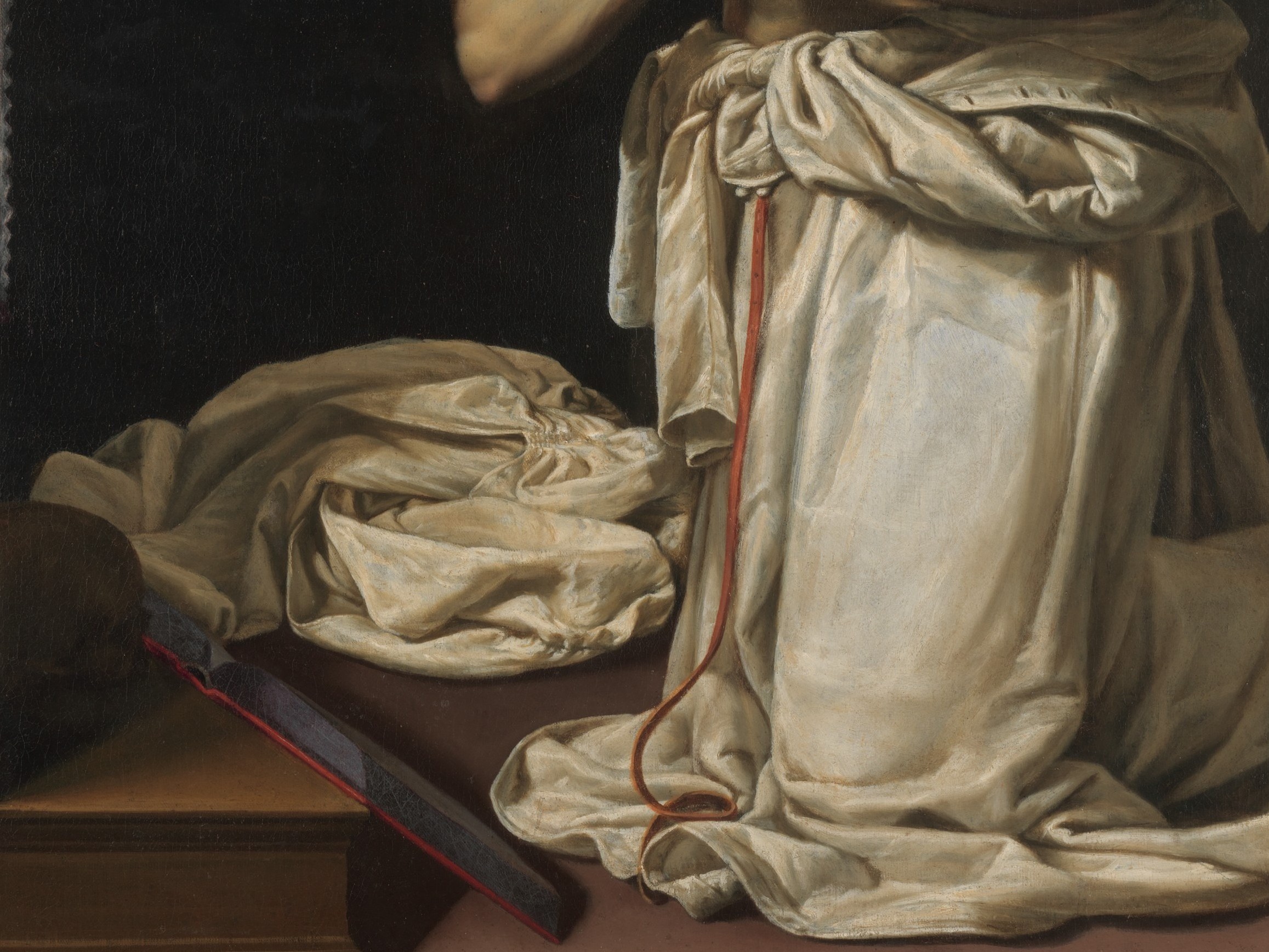
The drama of the saint's bare torso and the pooling white fabric is what catches the eye first, Caravaggio's influence is unmistakable in that raking light. But the painting's deeper meaning sits in the lower left corner, where most viewers never look. On the ledge beneath the altar table, pushed behind a book, is a human skull.
Tarchiani worked in Florence in the wake of the great Counter-Reformation painters, and he absorbed their language of visual persuasion. A skull in a penitence scene is a vanitas symbol, a memento mori. It reminds the viewer, and the saint himself, that earthly life is brief and that spiritual readiness is urgent. The whip, then, is not simply punishment for sin. It is a tool of preparation, a way to discipline the body before the inevitable end.
Next time you stand before a Baroque canvas, check the margins. The quietest detail often carries the loudest message.
Details
Transcript
He kneels in shadow, about to bring the whip down. But this isn't only a scene of self-punishment. Pause here. Tarchiani hid the full story on this ledge. Behind the books, half in shadow: a human skull. It's a memento mori. A reminder that death levels everyone. Even a saint. The whip isn't only penance, it's preparation.