Approach to Venice by Turner, Joseph Mallord William
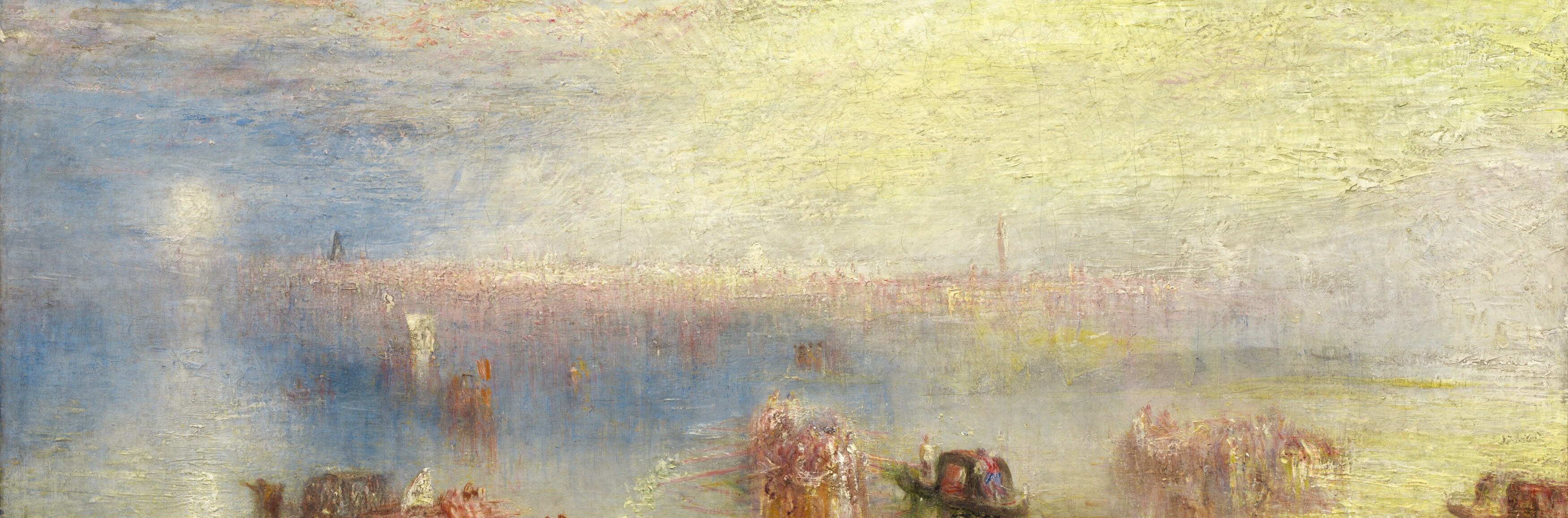
J.M.W. Turner's “Approach to Venice,” painted in 1844, is a masterclass in capturing light and atmosphere, blurring the lines between sky, water, and city. This oil on canvas, housed in a prominent museum, shows Venice not as a strict topographical record, but as a dreamlike vision.
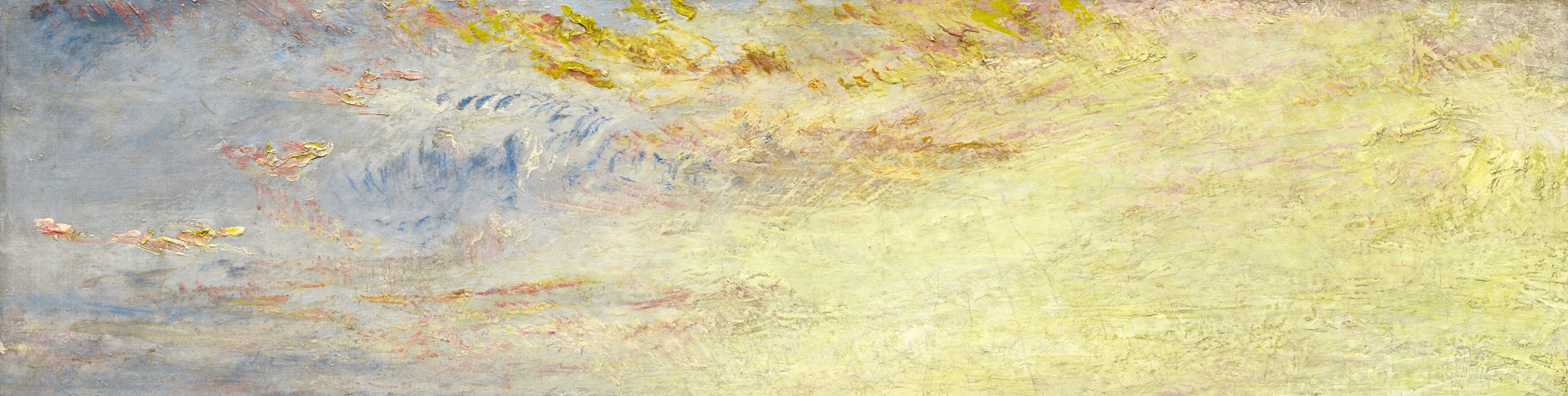
Look closely at how Turner renders the distant cityscape, allowing it to dissolve into the luminous, hazy sky. His technique, almost like watercolor applied with oil, creates an ethereal quality that defines the scene. The foreground water, however, reveals thick, broken brushstrokes, adding texture and movement.
Created late in Turner's career, this painting reflects his deep fascination with Venice. He often worked from memory, reinterpreting the vista to convey the city's emotional resonance rather than its exact details. This approach allowed him to prioritize atmospheric effects over fine rendering, anticipating later Impressionist concerns.
Turner's innovative handling of paint challenged contemporary ideas, influencing generations of artists. What sensations does this hazy, golden light evoke for you?
Details



Transcript
This painter was obsessed with light and atmosphere. See how the distant city dissolves into the glowing sky. He used loose, almost watercolor-like oil paint. Look closely at the water: it's thick, broken brushstrokes. This isn't a precise scene, but a felt sensation. He painted from memory to capture Venice's ethereal mood.