Two Young Peasant Women by Pissarro, Camille
Camille Pissarro's "Two Young Peasant Women," painted in 1890, offers a glimpse into rural life in late 19th-century France. This oil painting, part of The Metropolitan Museum of Art collection, showcases Pissarro's Post-Impressionist style.
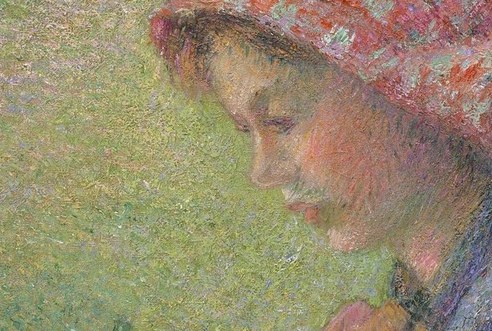
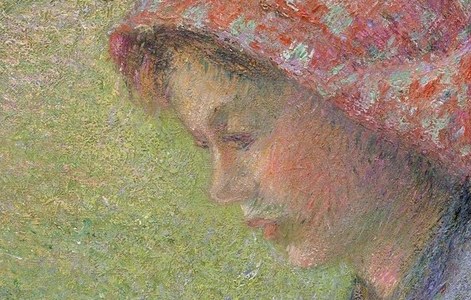
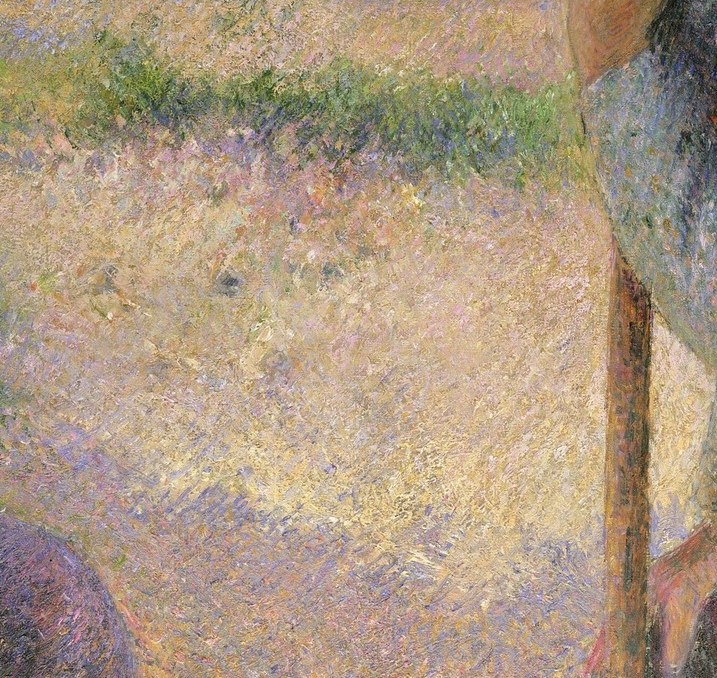
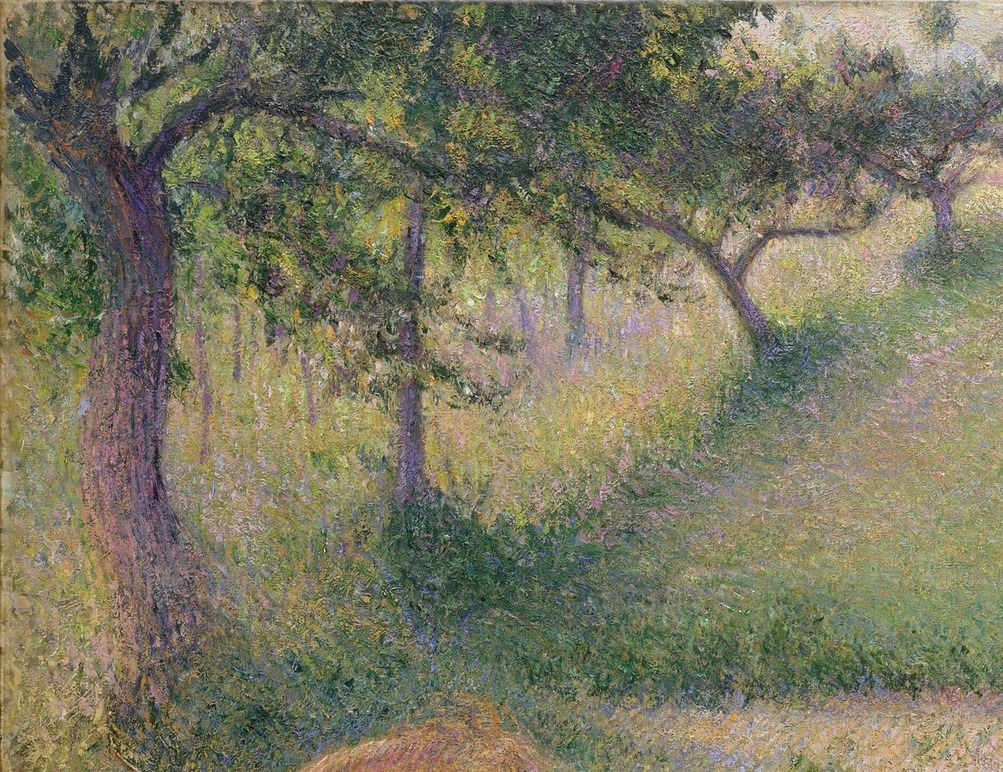
Observe the vibrant red headscarf of the woman on the right, a common accessory for peasant women of the era. Her contemplative pose, with a hand resting on her chin, suggests a moment of quiet rest amidst their daily routines. The dirt path and distant trees hint at the agricultural landscape that defined their lives.
Pissarro, a key figure in both Impressionism and later Post-Impressionism, often depicted ordinary people and landscapes. He used thick, visible brushstrokes, known as impasto, to create a textured, almost dreamlike atmosphere, particularly in the soft background elements.
This painting isn't just a scene; it's a testament to the lives of the working class and Pissarro's enduring interest in capturing their quiet dignity. What do you notice about their expressions?
Details
Transcript
In 1890s France, nearly 70% of the population lived in rural areas. Artists like Pissarro often depicted the daily life of peasants. This woman's headscarf was a common sight in the countryside. Her hand on her chin suggests a moment of rest or contemplation. The dirt path behind them leads to unseen fields, suggesting their work. Pissarro used thick brushstrokes to give the scene a dreamlike quality. He captures a quiet dignity in their everyday existence.