Still-life with Wine Glass and Silver Bowl by Pieter Claesz
Pieter Claesz's "Still-life with Wine Glass and Silver Bowl," painted in 1635, is more than just a beautiful arrangement of objects; it carries a subtle moral message typical of Dutch Golden Age art.
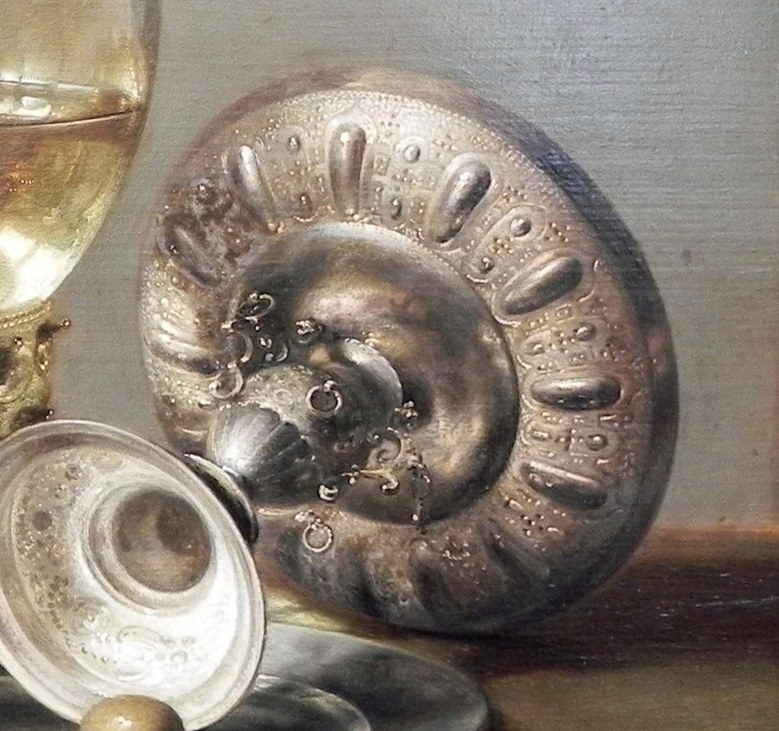
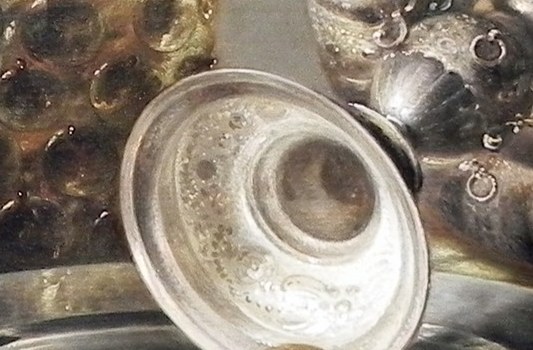
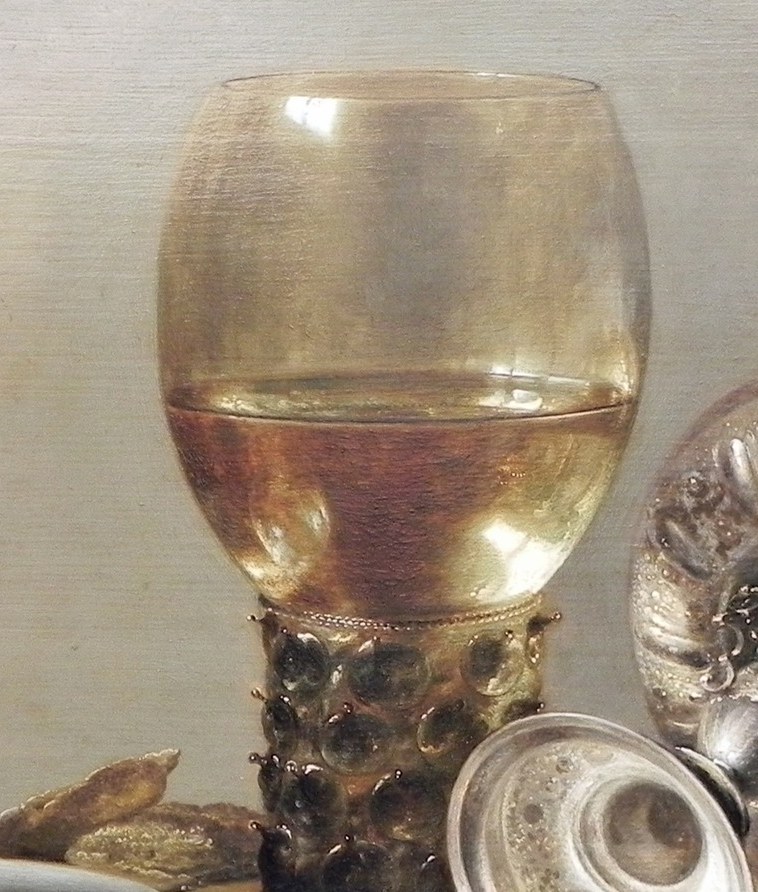
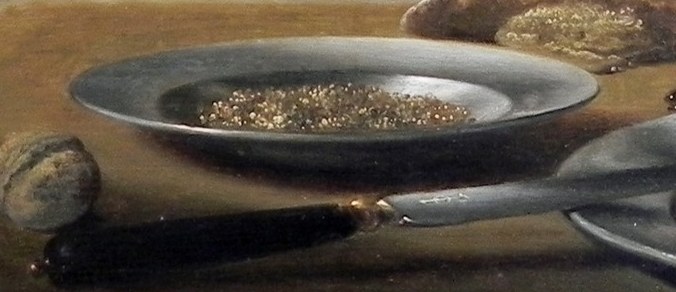
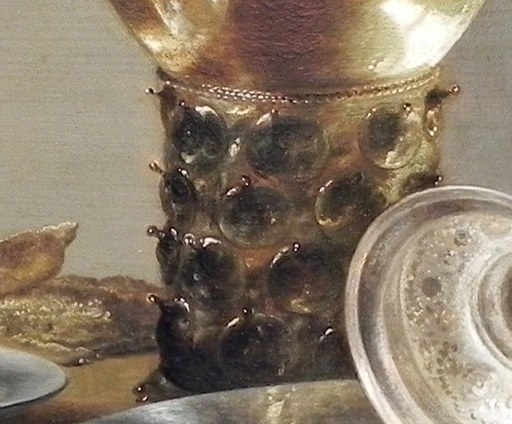
Look closely at the carefully selected elements. The opulent silver bowl and scattered gold beads showcase material wealth, yet items like the inverted silver cup, balanced precariously, served as a *vanitas* symbol, reminding viewers of the transience of life and worldly possessions. Even the half-filled wine glass subtly suggests time passing and pleasures fading.
Claesz, a master of the still life genre, meticulously rendered textures and light to draw the viewer in, only to impart a deeper reflection on mortality and the importance of spiritual rather than material riches. These paintings were often displayed in homes, serving as daily reminders of prevailing cultural values.
This work, now housed at the Gemäldegalerie in Berlin, is a testament to the era's sophisticated approach to art, where beauty and philosophy intertwined. What hidden messages do you think modern still lifes convey?
Details
Transcript
This painting from 1635 looks like a simple display of wealth. The Dutch Golden Age valued both luxury and moral lessons. Look closely at the inverted silver cup, resting on a pearl. This overturned cup often symbolized the fleeting nature of earthly pleasures. Even the half-full wine glass suggests life is running out. These objects reminded viewers to focus on spiritual wealth, not material.