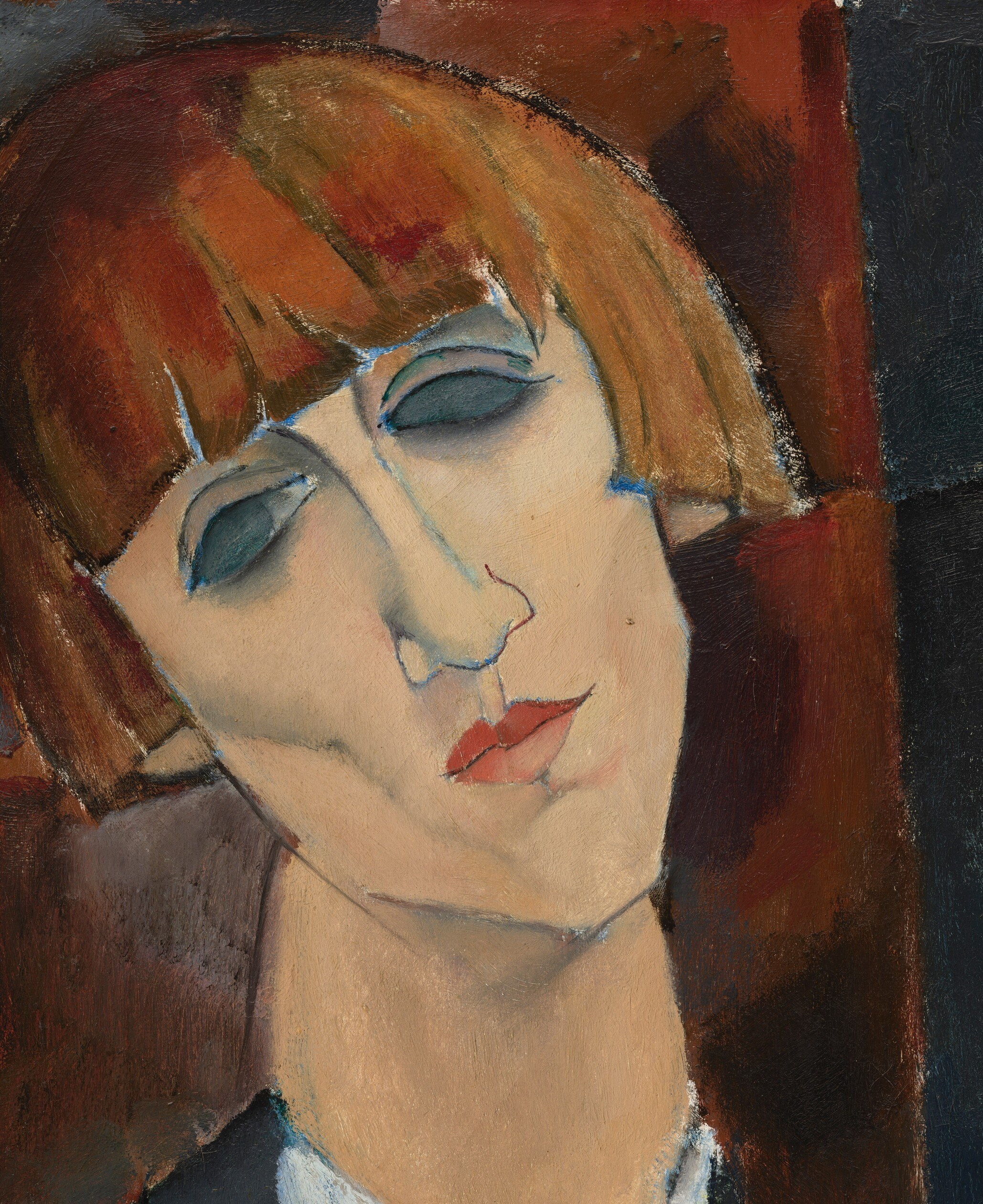
Madame Kisling by Modigliani, Amedeo
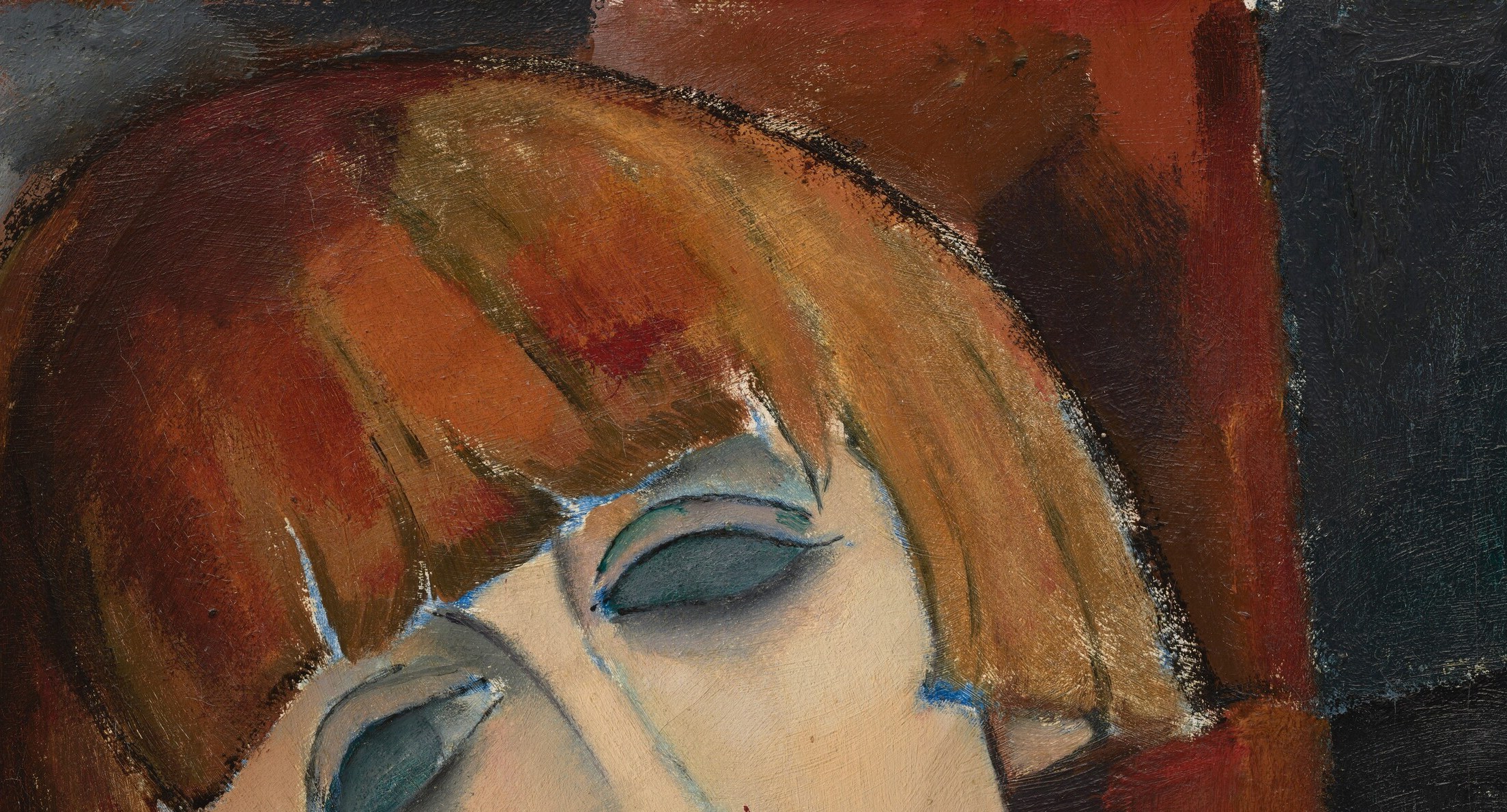
Amedeo Modigliani's *Madame Kisling*, painted around 1917, exemplifies his unique modernist approach to portraiture. Currently housed in a private collection, this work reveals how the artist found individual likeness not through strict realism, but by employing simplified shapes and expressive lines.
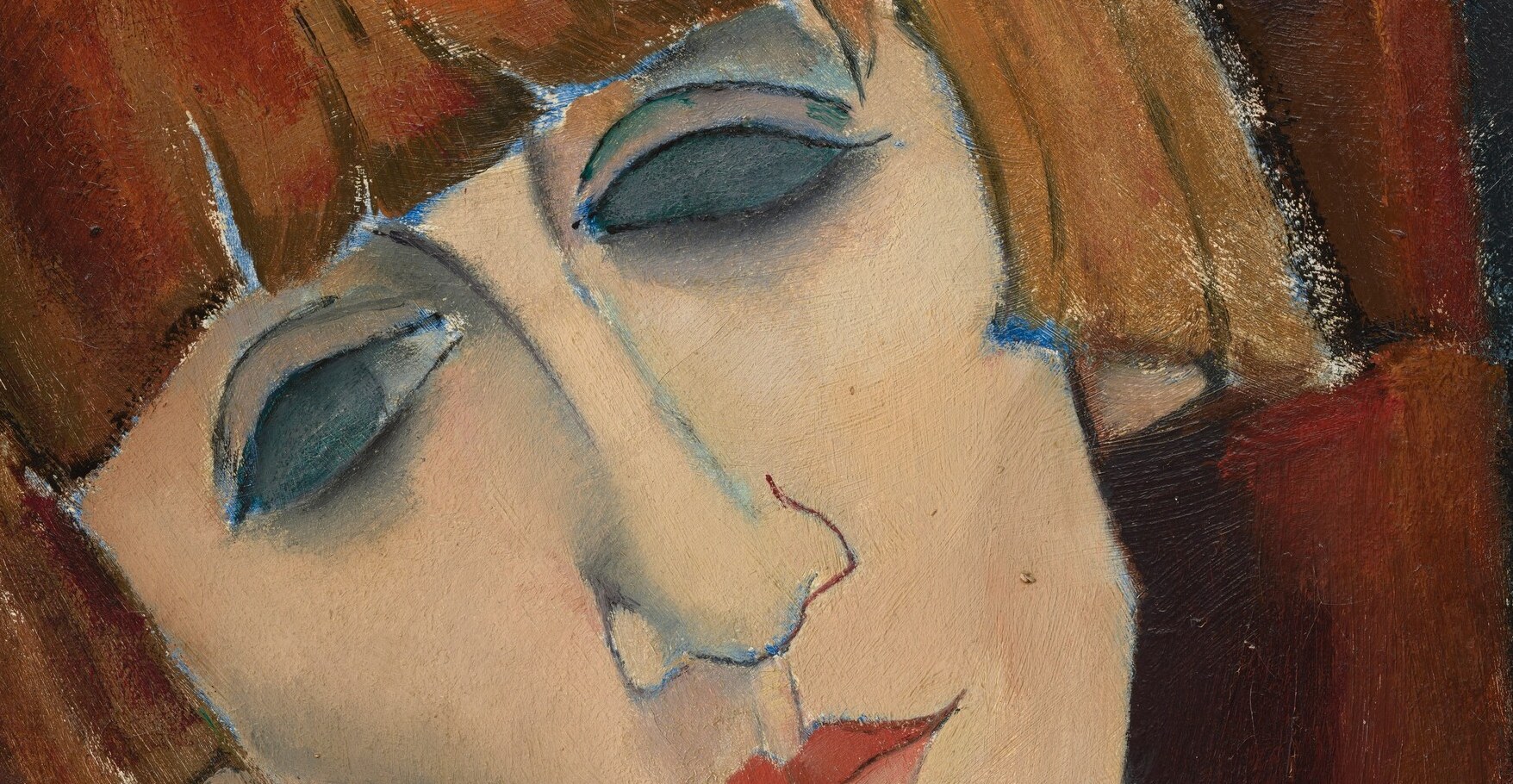
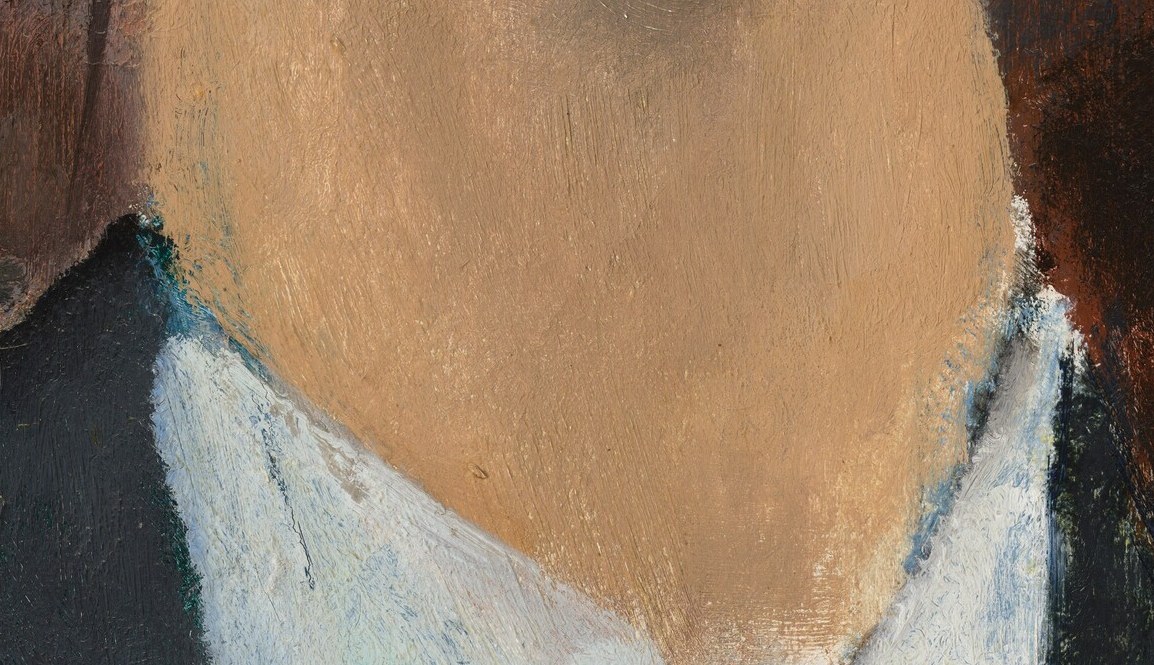
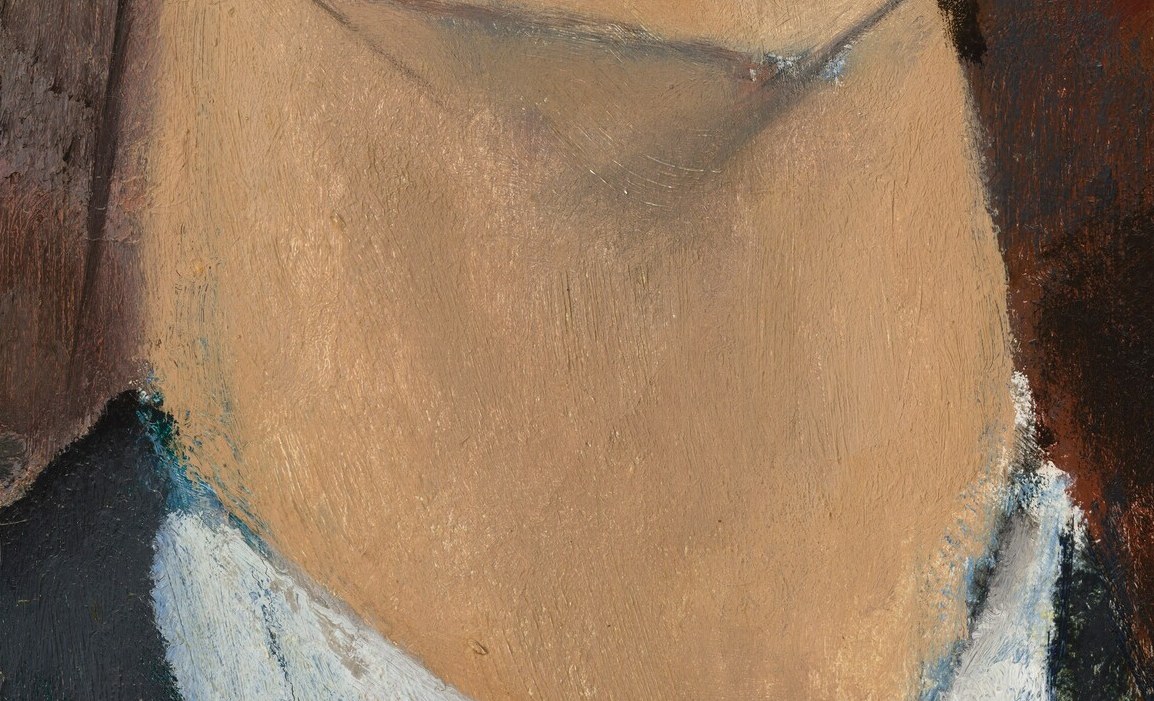
Notice the striking features: the blank, almond-shaped eyes, the dramatically elongated neck, and the sharply tapered chin. These deliberate distortions, inspired by African masks and Italian Mannerist painting, were Modigliani's signature.
Born in Italy, Modigliani moved to Paris in 1906, becoming part of the École de Paris. Though his distinct style, with its often surreal proportions, did not achieve widespread acclaim during his lifetime, his work later became highly sought after, establishing him as a crucial figure in modern art.
His portraits challenge us to see beyond conventional beauty and find expression in stylized forms. What do these eyes communicate without pupils?
Details
Transcript
This painter broke every rule of realistic portraiture. He draws from African masks and Italian Renaissance painting. Look at the blank, almond-shaped eyes: no pupils at all. His women often have this swan-like, elongated neck. The face tapers to this sharp, almost geometric chin. He invents new forms, yet captures a real person.