Adelina Morton by Johnson, Joshua
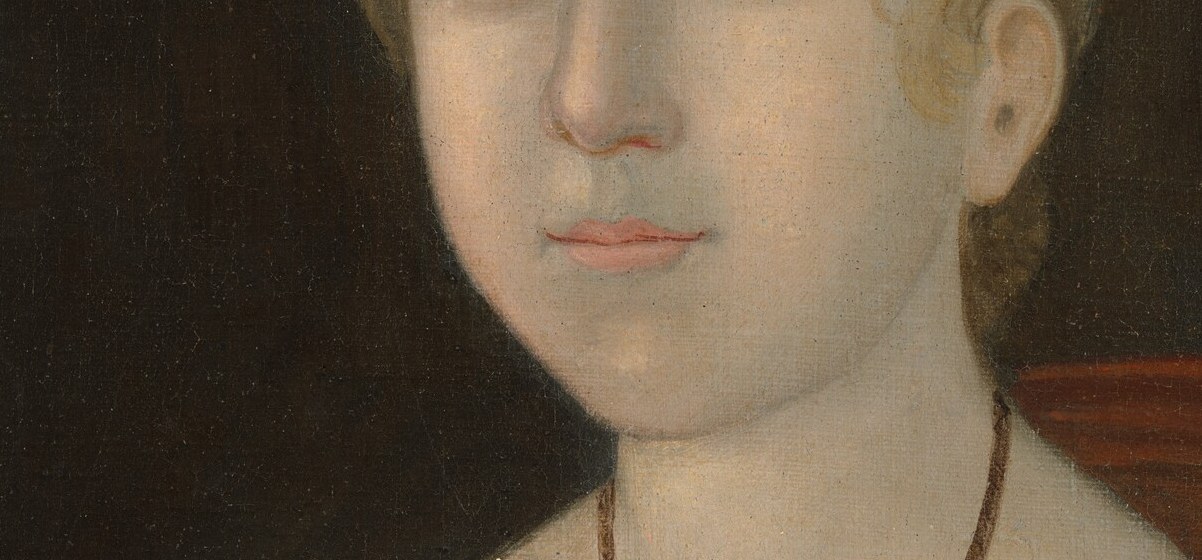
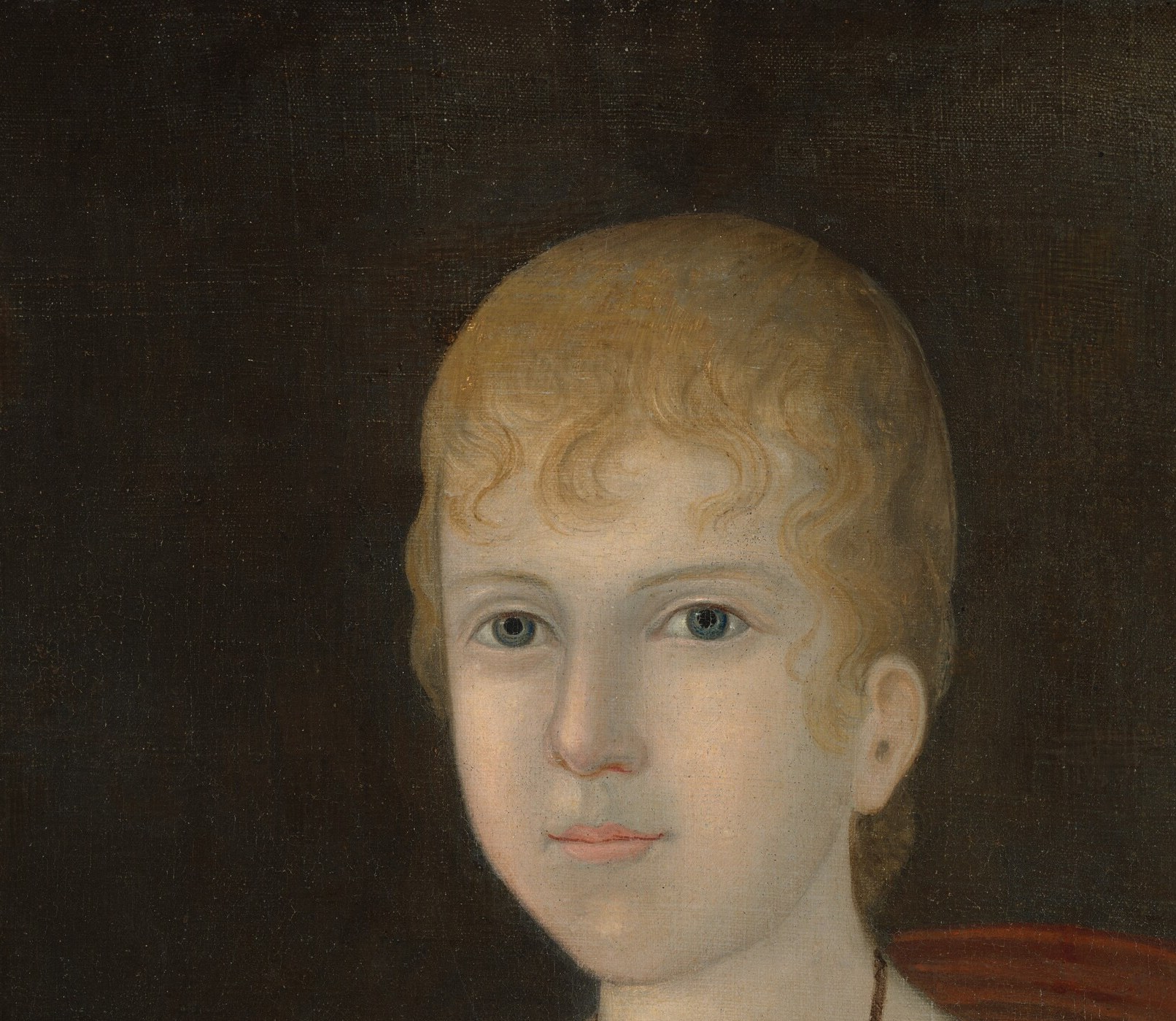
Joshua Johnson's "Adelina Morton," painted around 1810, is more than just a portrait; it's a carefully composed message about childhood, status, and protection in early America. This oil on canvas, housed in a distinguished museum, showcases the distinctive style of the first known professional African American portraitist.
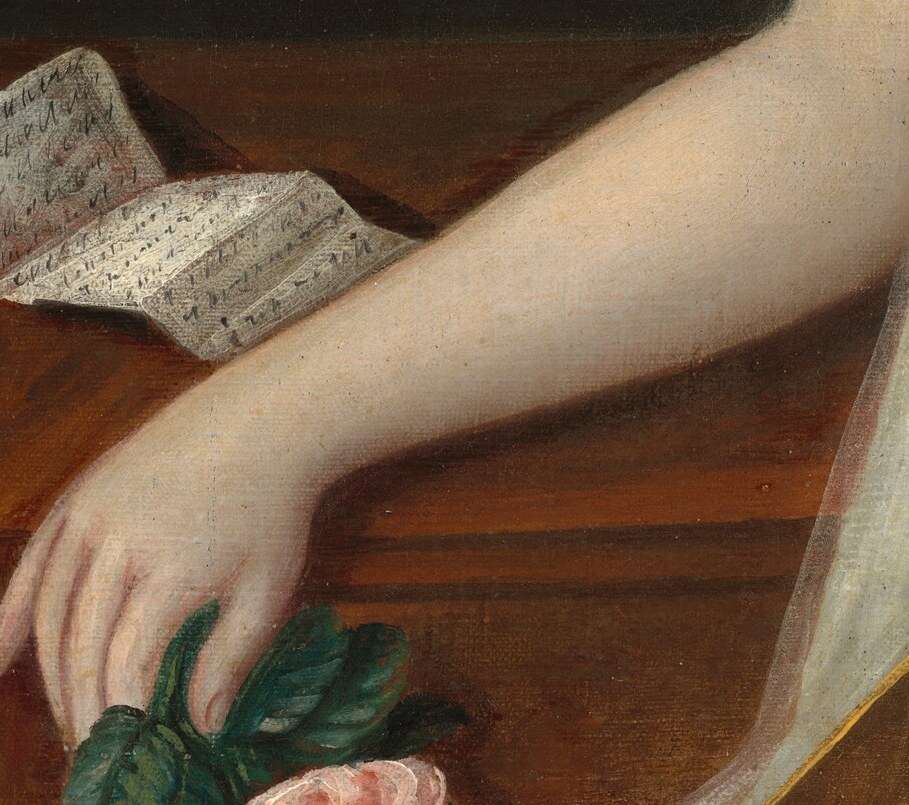
Look closely at the details: the coral necklace, a common symbol of protection against harm for children in this era, and the delicate pink rose in her hand, which signified both innocence and the fleeting nature of life. The blue ribbons on her dress are a recognizable motif often found in Johnson's child portraits, acting as an artistic signature.
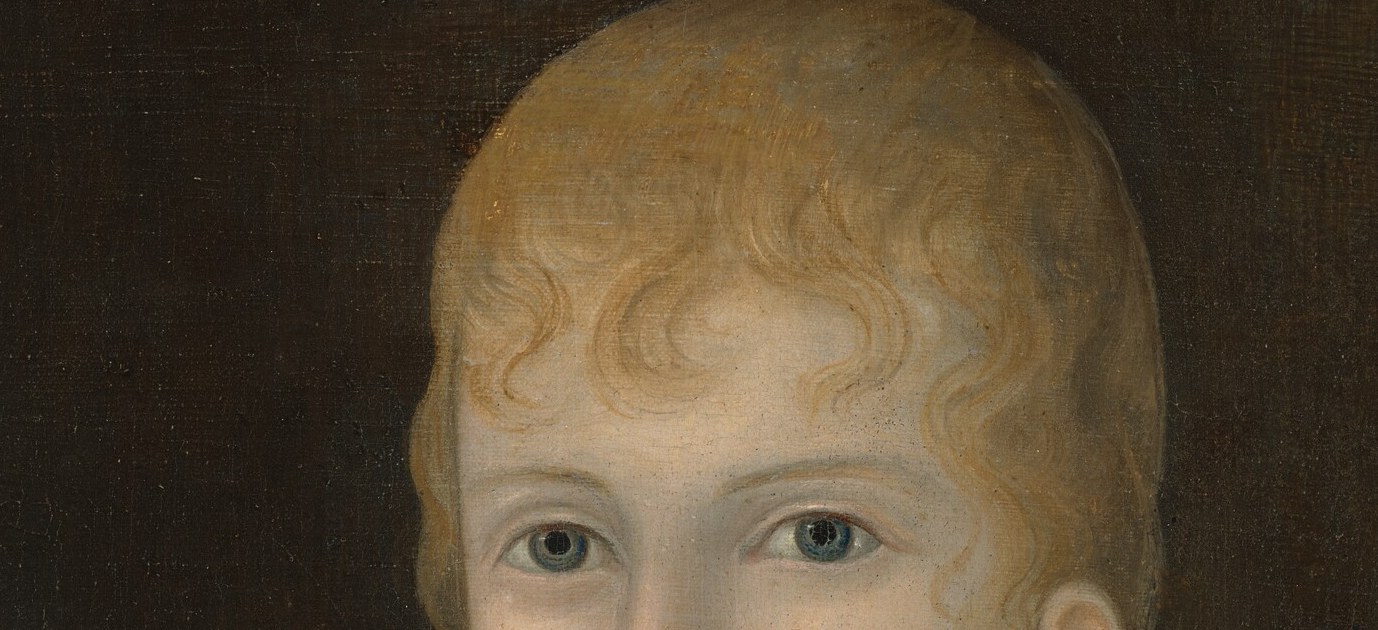
Johnson, active in Baltimore, rarely signed his works. His distinct style, characterized by stiff poses and simplified facial features, brought him commissions from the city's merchant class. His paintings offer a unique window into the social conventions and artistic trends of the Federal period.
What other hidden meanings do you see in the everyday objects depicted in historical portraits?
Details

Transcript
This girl's portrait is a message, if you know how to read it. She wears coral, a talisman against evil for children then. The blue ribbons on her dress are this painter's signature mark. And the rose in her hand means innocence, but also transience. Her eyes are classic for him: direct, slightly otherworldly, folk art. She is Adelina Morton, painted by Joshua Johnson around 1810.