Portrait of a Lady by Verelst, Maria
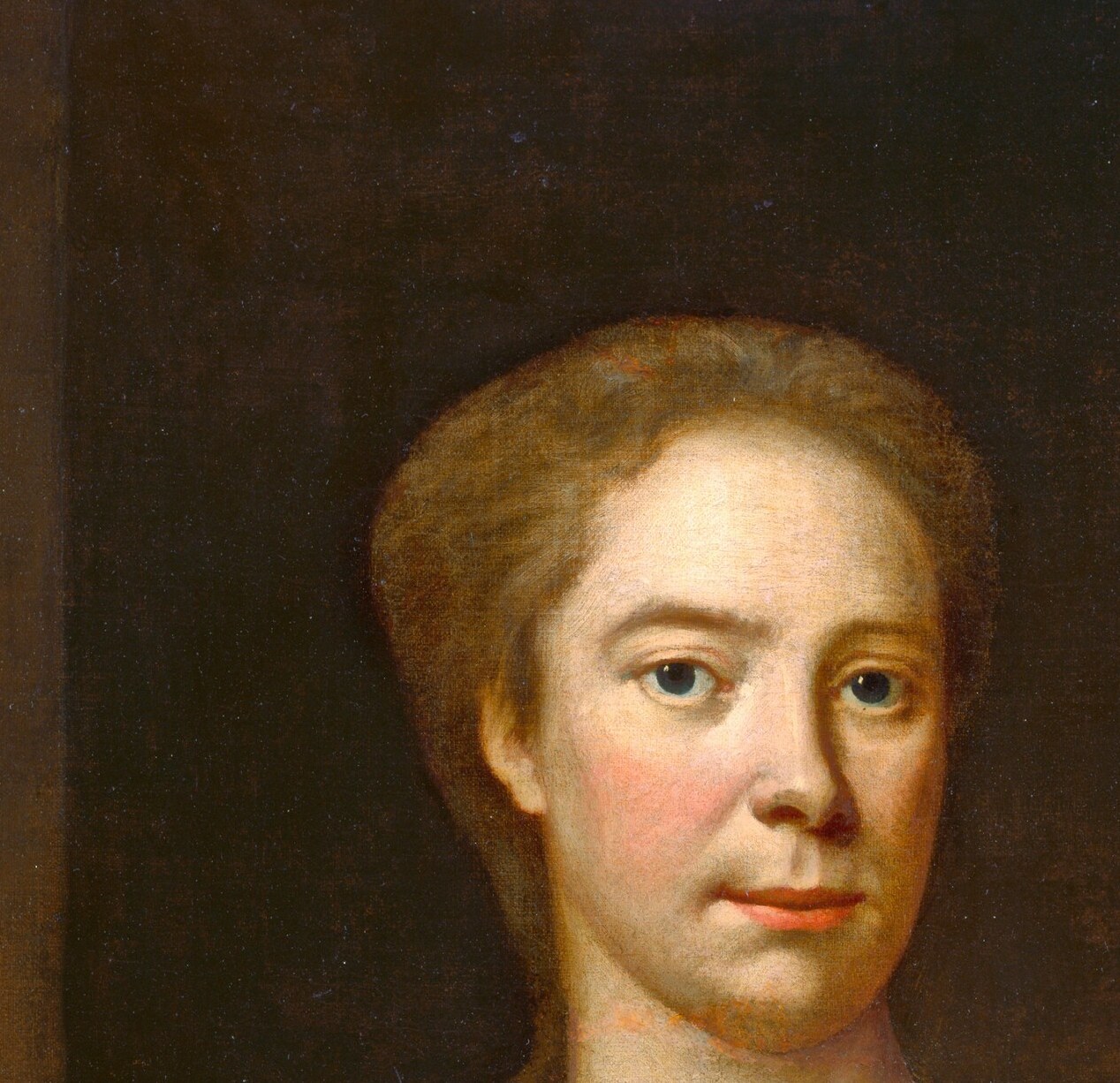
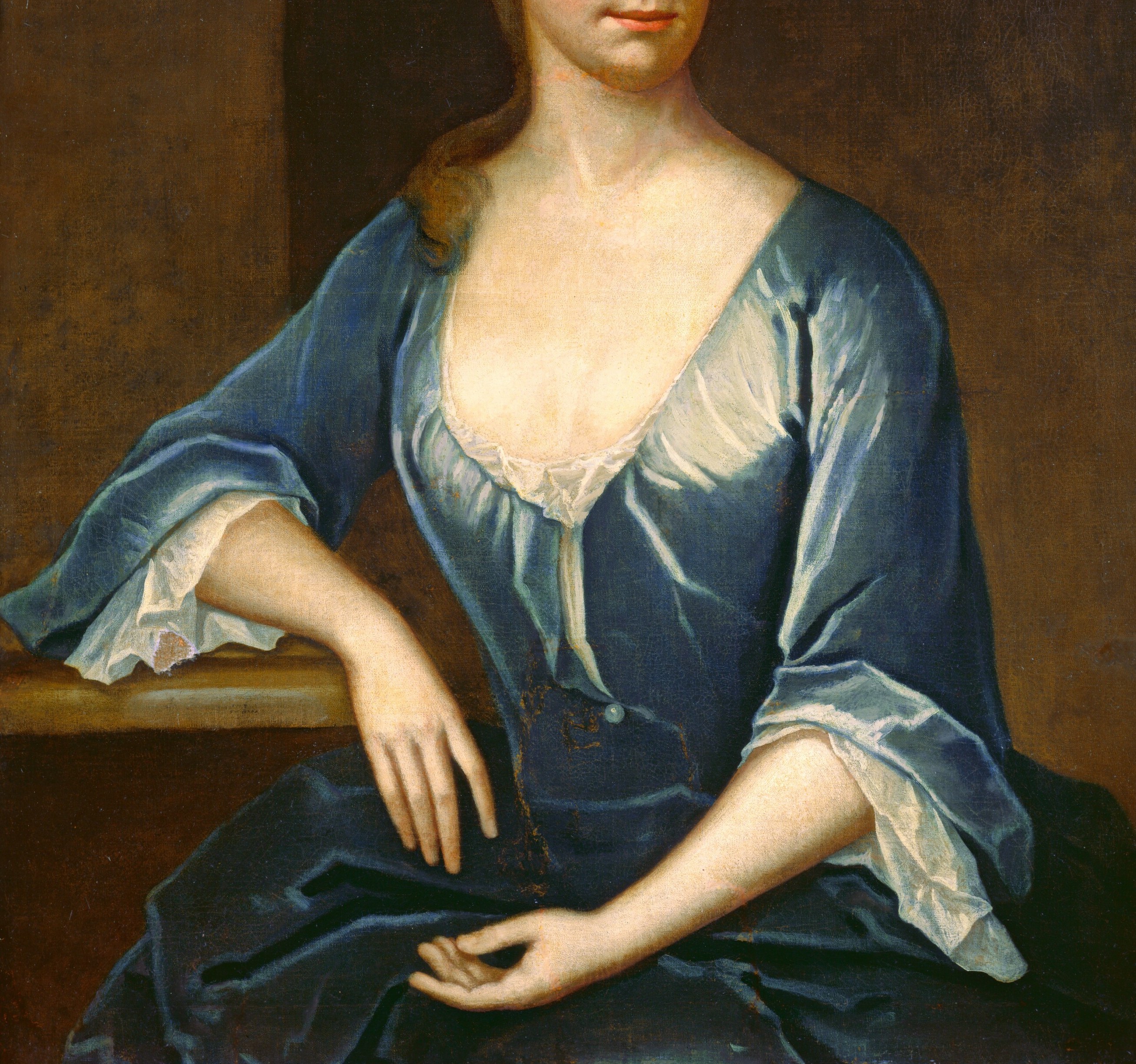
Maria Verelst's "Portrait of a Lady," painted around 1722, is more than just a likeness; it's a precise document of early Georgian fashion and social presentation. The details of her attire and demeanor were carefully chosen to convey wealth and status.
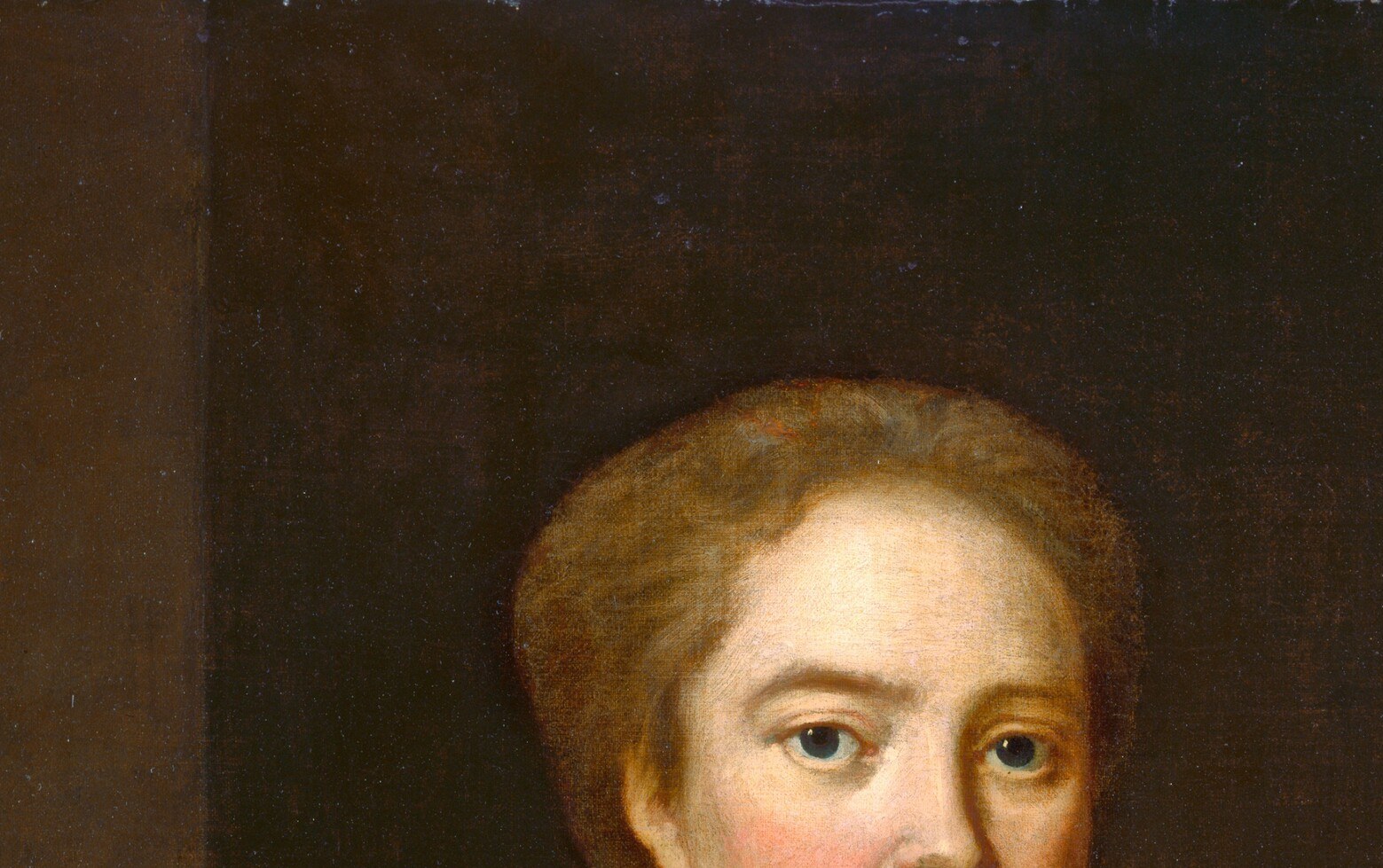
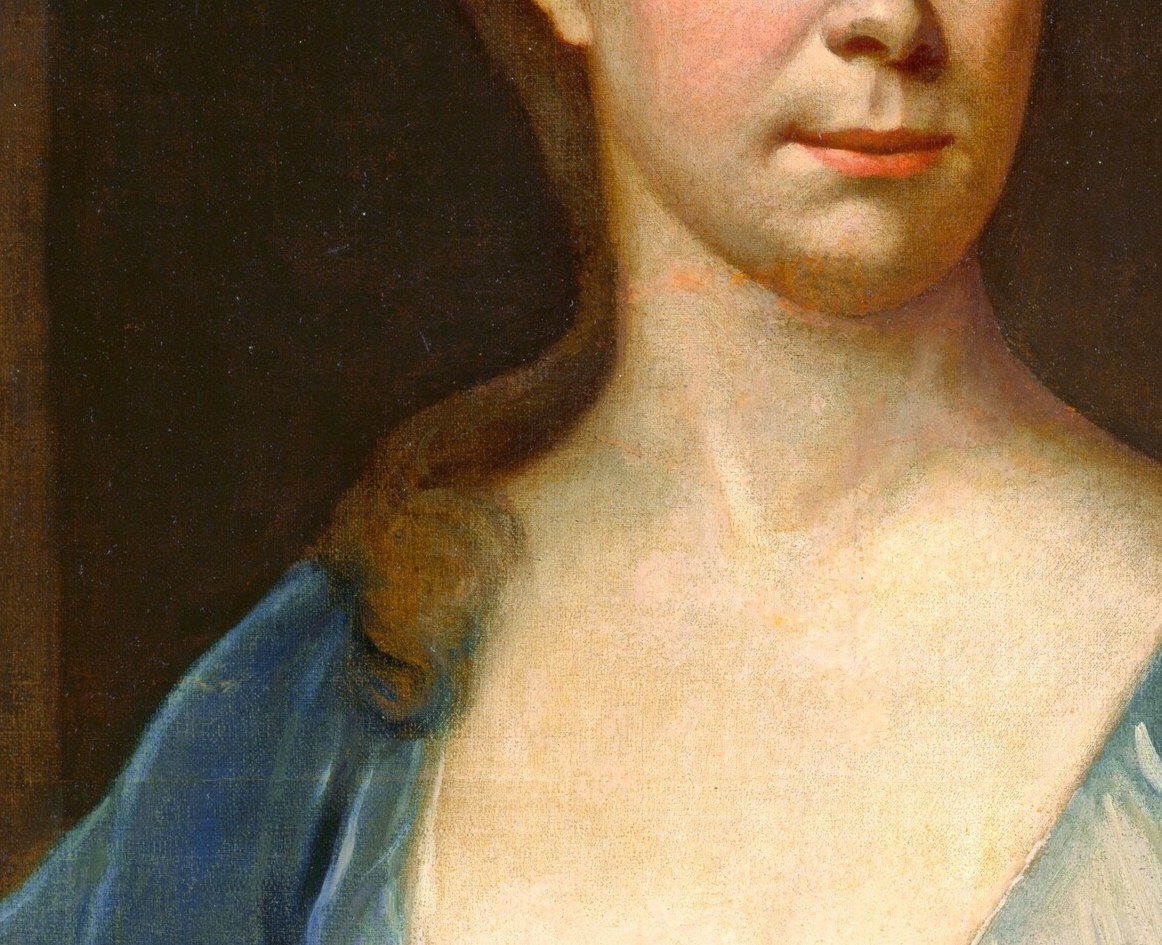
Notice her calm and direct gaze, a confident expression for the period. Her loosely pinned auburn hair and the specific cut of her blue silk dress were distinct fashion markers of the 1715-1725 window. Even the fine lace trim on her bodice was an imported luxury, signaling affluence to contemporary viewers.
During the early 18th century, portraits served as visual declarations of social standing and prosperity. This painting exemplifies how artists like Verelst meticulously depicted attire and accessories to communicate the sitter's importance within society.
What subtle cues of status do you notice in her portrait?
Details

Transcript
This woman sat for her portrait around 1722. Her calm, direct gaze was a deliberate choice. Her loosely pinned auburn hair was the height of fashion. This blue silk dress with its low neckline announced her wealth. The fine lace trim on her bodice was an imported luxury. Every detail communicated her social standing.