Mrs. Christopher Grant Perry (Frances Sargeant) by Richard Morrell Staigg
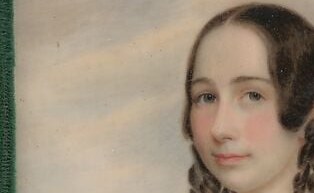
This delicate watercolor portrait of Frances Sargeant, Mrs. Christopher Grant Perry, was painted on ivory around 1840 by Richard Morrell Staigg. The use of ivory as a support for watercolor allowed for a unique luminosity and translucence, making these miniature portraits highly prized.
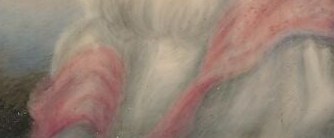
Staigg, an English-born artist active in 19th-century Boston, meticulously applied thin, transparent layers of paint to build color and form. This technique created a smooth finish, minimizing visible brushstrokes and giving the portrait its subtle, almost ethereal glow. Look closely at the rosy blush on her cheeks or the detail in her eyes; these effects were achieved through painstaking glazes.
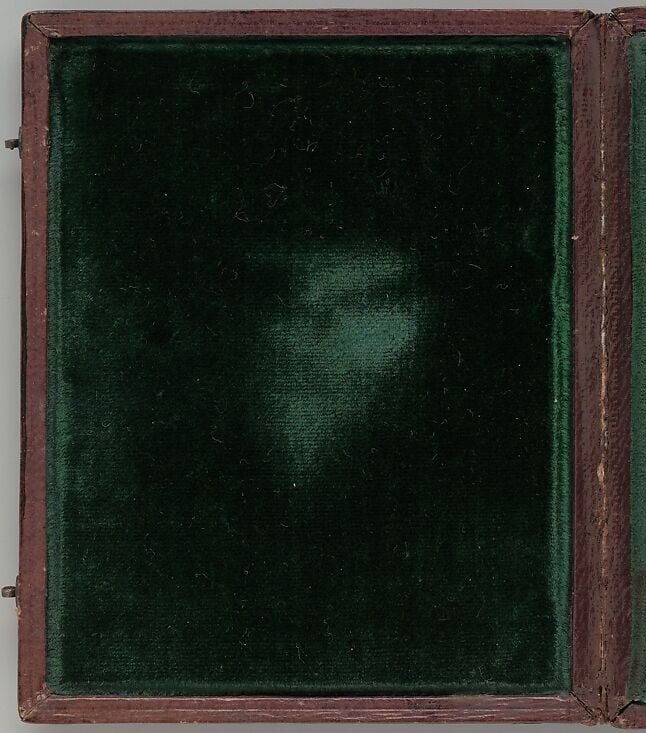
Such miniature portraits were not just art; they were intimate, cherished possessions, often kept in lockets, small cases, or as part of collections, much like precious jewels. They offered a personal connection to the sitter, a quiet echo of their presence in a format that could be held close.
What do you find most striking about the intimacy of miniature portraits?
Details
Transcript
This quiet portrait, from 1840, is painted on ivory. Artists used watercolor on ivory for delicate, luminous portraits. They built color by applying many thin, transparent layers. This made the brushstrokes nearly invisible. Such miniatures were often kept in lockets or small cases. They were cherished, intimate objects.