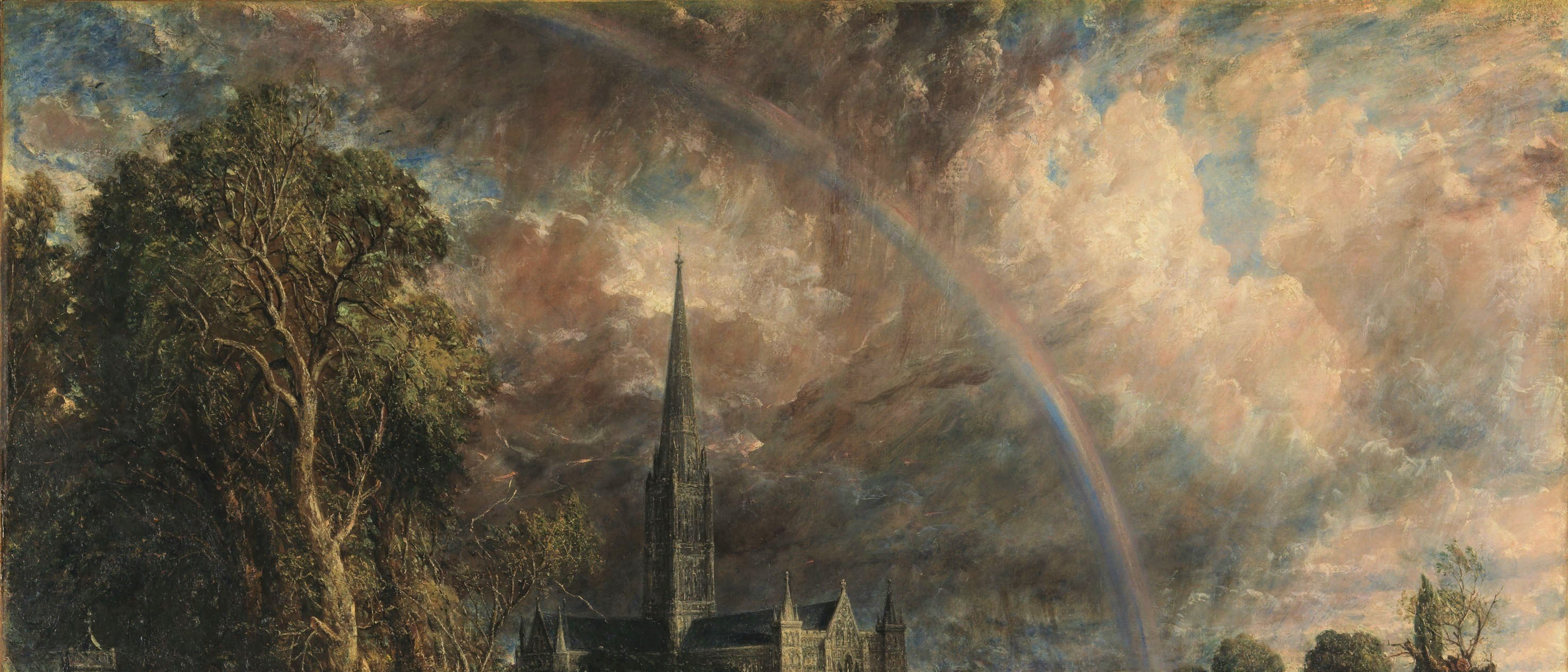
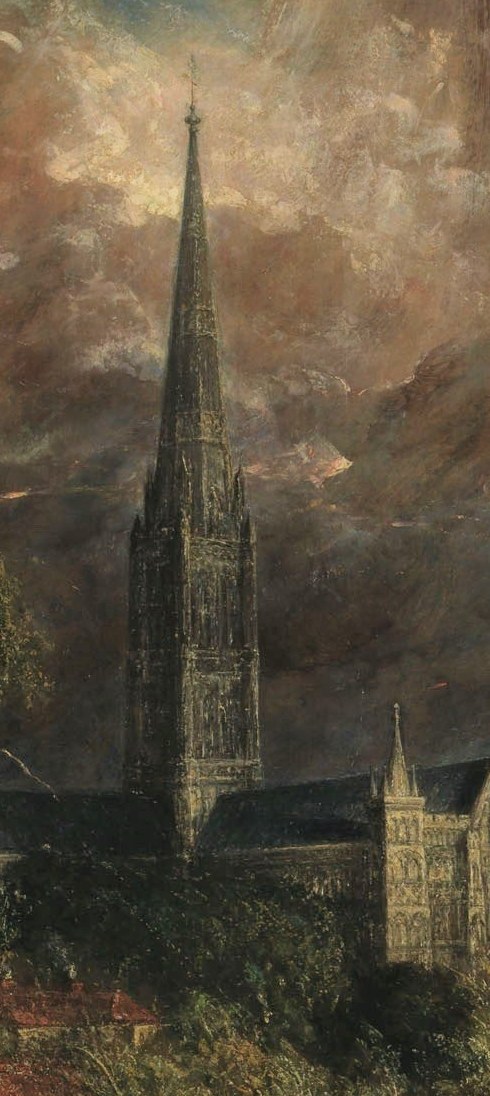
Salisbury Cathedral from the Meadows by John Constable
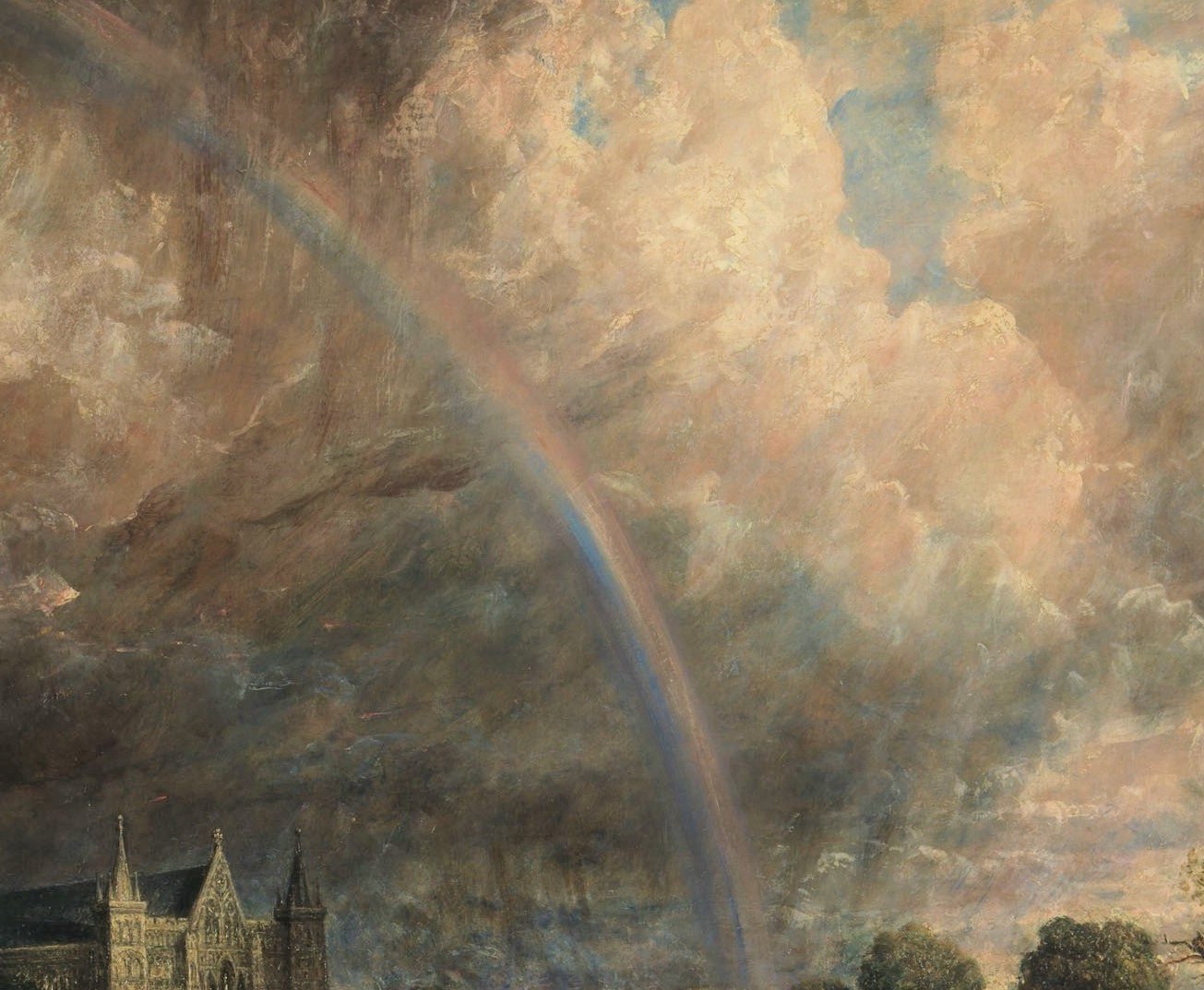
John Constable's "Salisbury Cathedral from the Meadows," painted in 1831, is more than a beautiful landscape; it is a deeply personal elegy for his late wife, Maria.
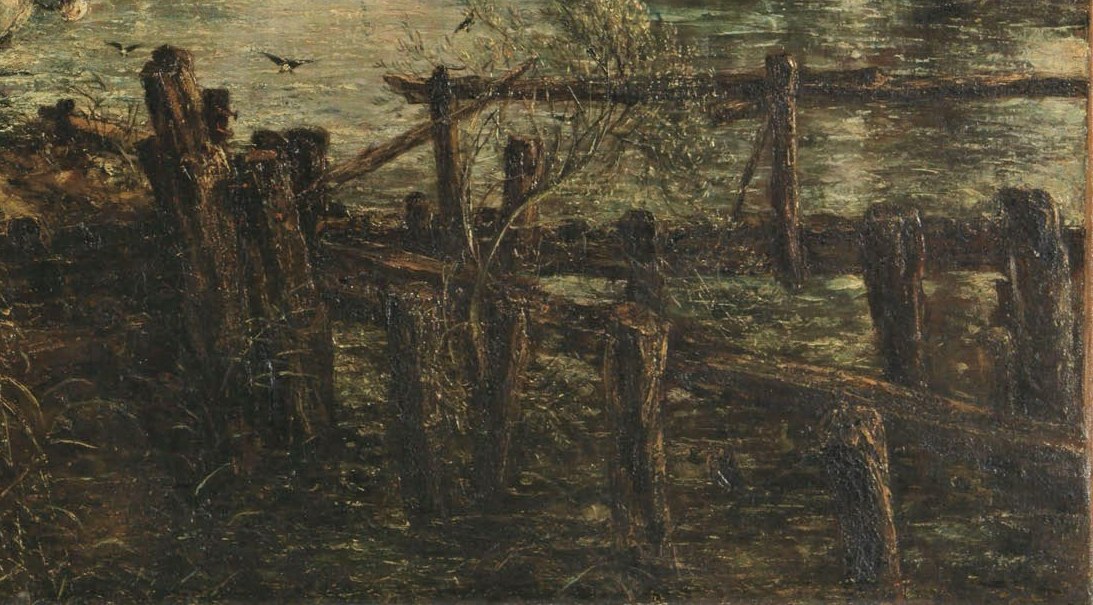
While the dramatic sky and the symbolic rainbow suggest themes of storm and hope, the true depth of its meaning is hidden in a small, often overlooked detail: the birds perched on the fence in the foreground. Constable himself later revealed that these birds represent the death of a young woman.
This powerful emotional undercurrent transforms the painting from a mere depiction of scenery into a poignant meditation on loss and remembrance. Constable continued to refine the work for years after its initial exhibition, a testament to its profound personal significance. It is now housed at Tate Britain in London.
Next time you see this painting, look for the birds. Do you see a landscape, or a portrait of grief?
Details
Transcript
This is John Constable’s famous Salisbury Cathedral painting. He painted it after his wife died, a huge storm in his life. He added a rainbow, a symbol of hope after the storm. But the full meaning is in one tiny detail, easily missed. Look closely at the birds on the fence in the foreground. He later said they represent the death of a young woman. This landscape is a deeply personal elegy for his lost love.