General William Smallwood by Pine, Robert Edge
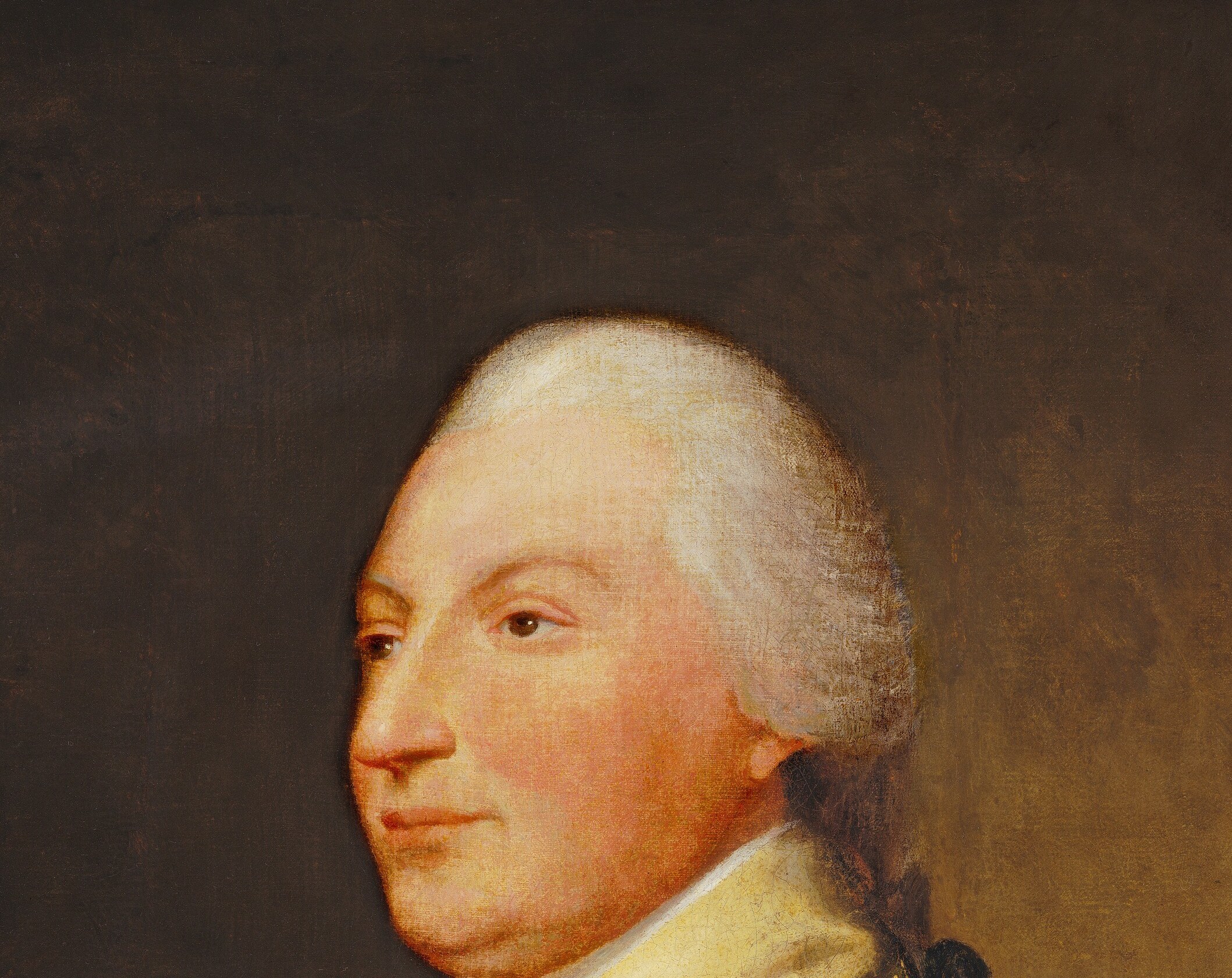
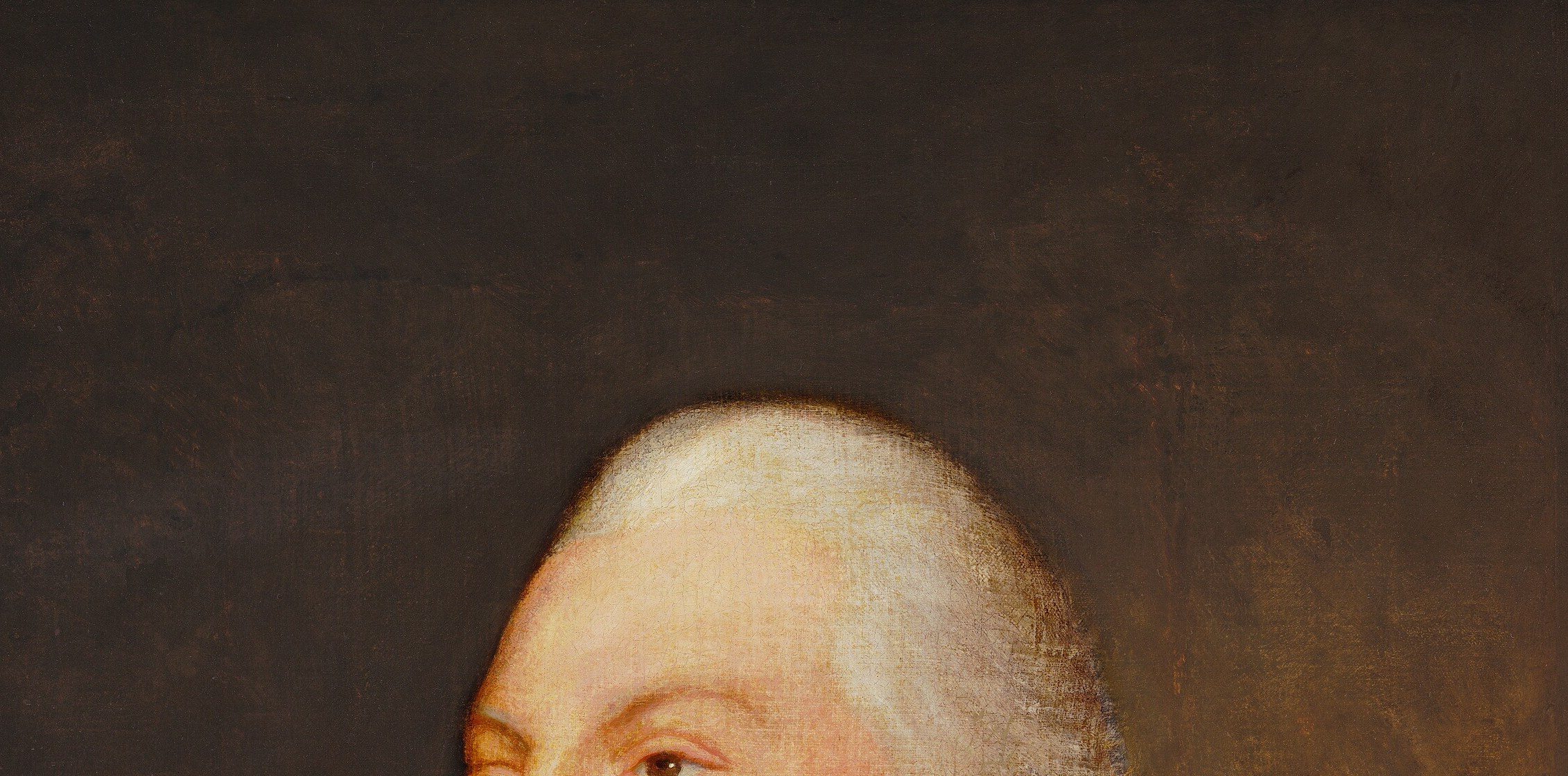
Robert Edge Pine's portrait of General William Smallwood is an encrypted document in oil on canvas. Finished around 1786, it records not only a face but the entire self-image of a Revolutionary officer, stitched into the fabric of his uniform.
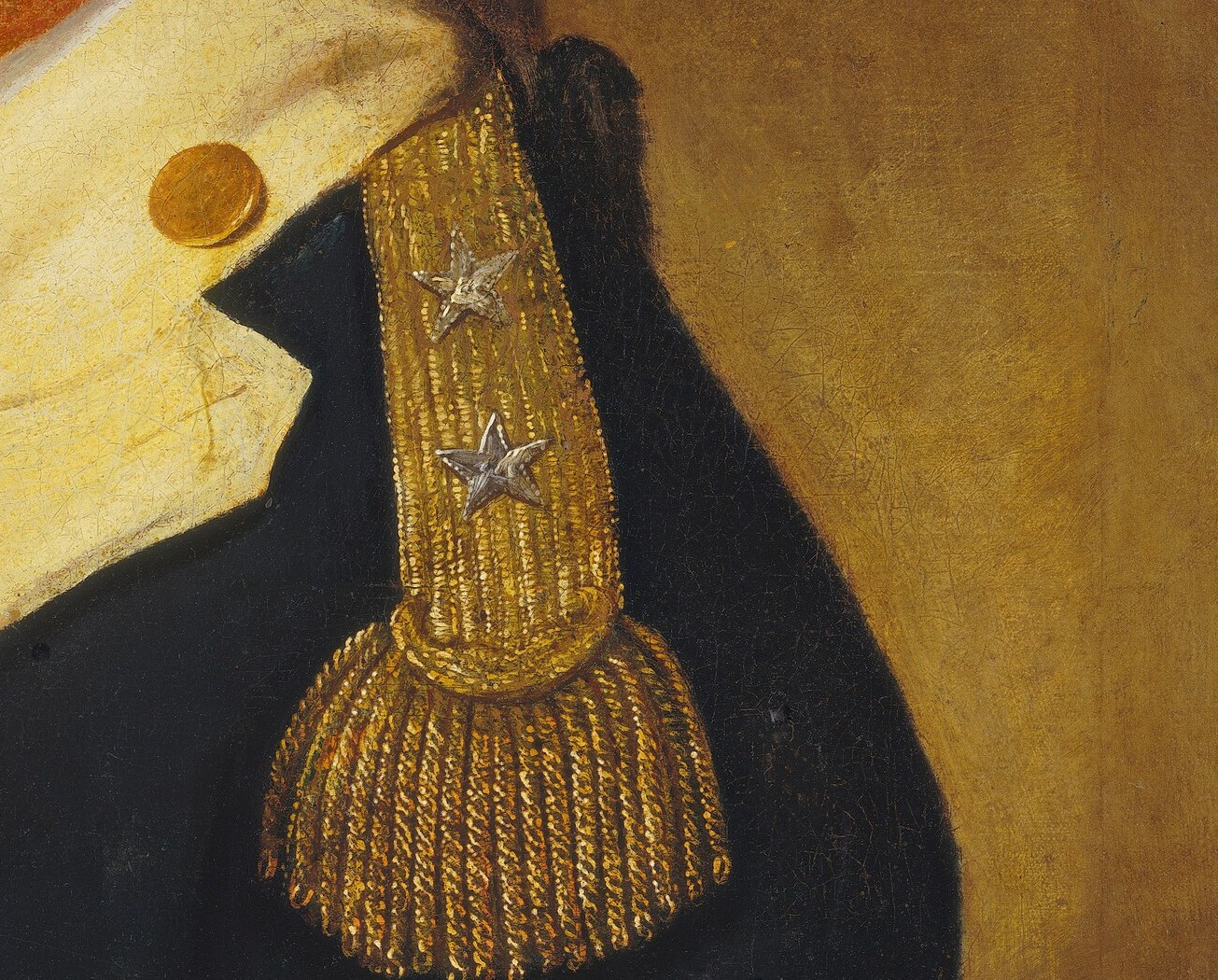
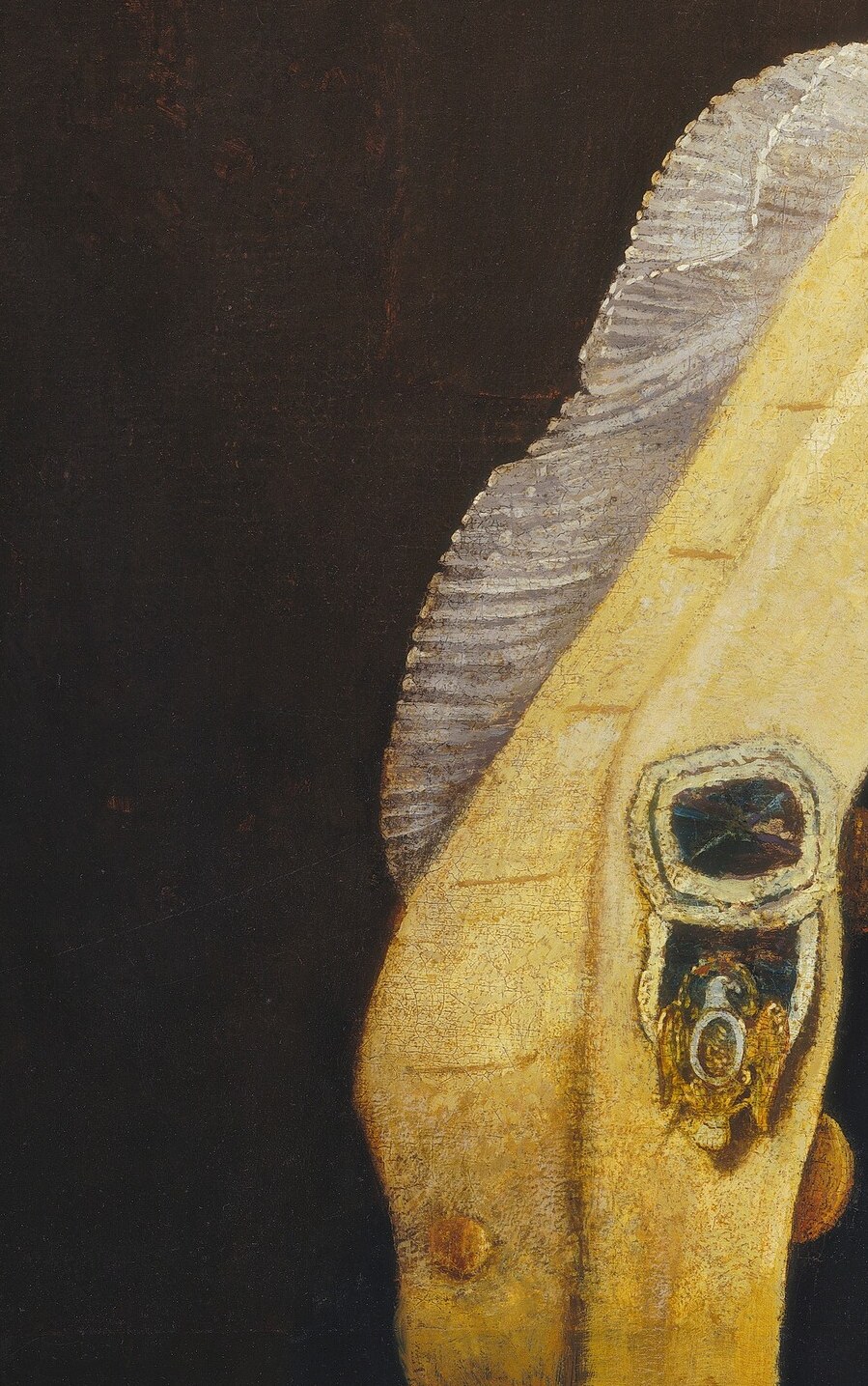
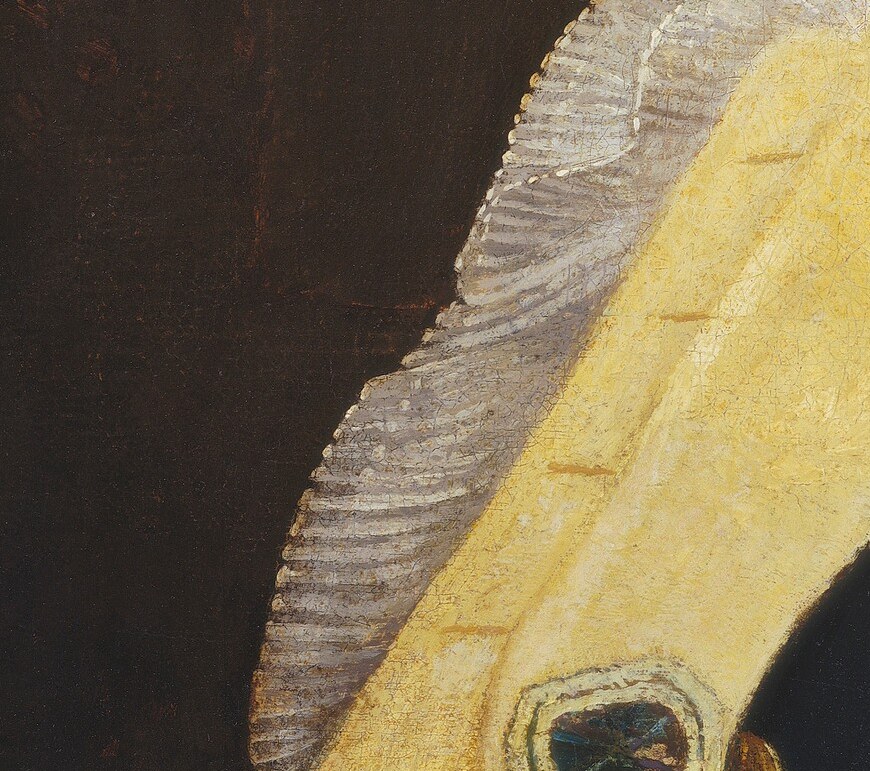
Every detail carries information. The richly fringed gold epaulette on the right shoulder signals general-officer rank, Pine lit it more dramatically than any other passage in the painting. The vertical row of small coat buttons confirms the sitter wears a Continental Army regulation coat, not civilian dress. Most telling is a barely visible medal pinned to the lapel: almost certainly the badge of the Society of the Cincinnati, the fraternal order founded by officers of the Continental Army in 1783, with George Washington as its first president.
Pine, an English painter who had supported the American cause, created this work during his final years in Philadelphia, a city then dense with the new republic's leaders. He never returned to England. His portrait of Smallwood, the Maryland commander who had fought at Long Island, White Plains, and Germantown, became part of the visual record of a nation learning to see itself.
Painted identity is never innocent. Who do you dress for when you sit for a portrait?
Details
Transcript
A general in the new American army. Look at the gold on his shoulder. An epaulette like this was a badge of rank. A row of buttons marching down the coat. They mark a Continental officer, not just a gentleman. Harder to spot: a medal pinned over his heart. It may signify the Society of the Cincinnati, an order for Revolutionary officers. The pride of a new nation, worn on the body.