Gothic Windows in the Ruins of the Monastery at Oybin by Carl Gustav Carus
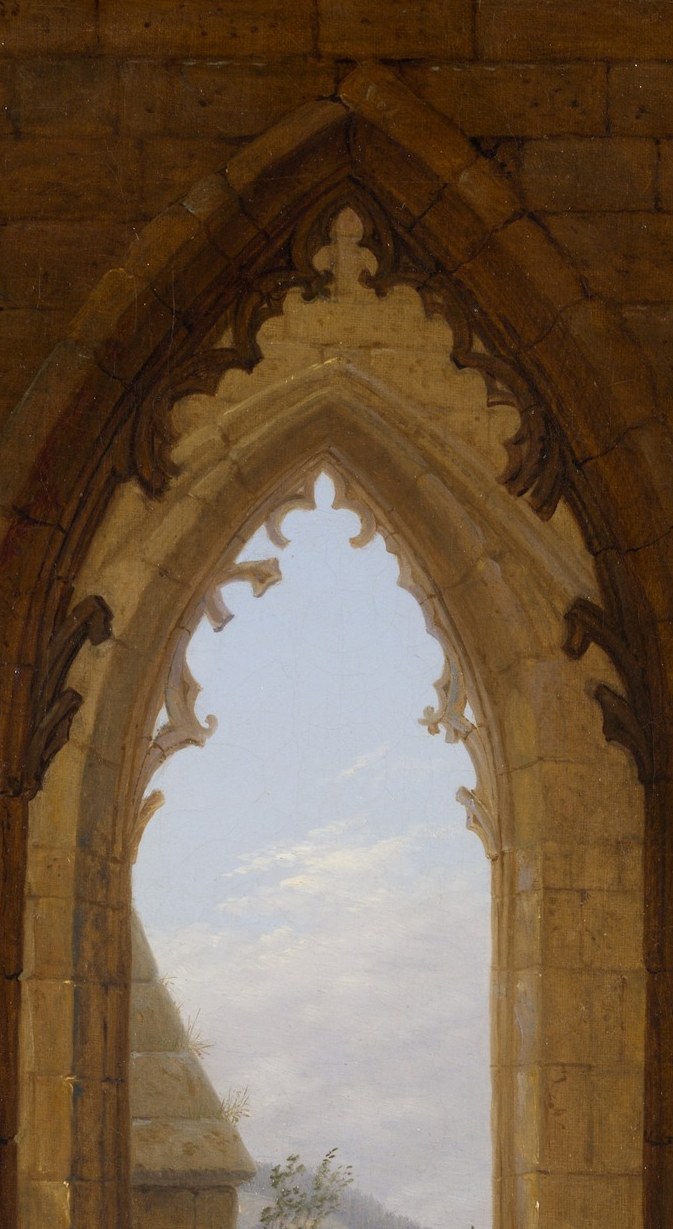
Carl Gustav Carus, a German physician and scientist, wasn't just a painter; he was a polymath of the Romantic era. His 1828 oil painting, *Gothic Windows in the Ruins of the Monastery at Oybin*, now at The Metropolitan Museum of Art, beautifully combines his scientific mind with his artistic soul.
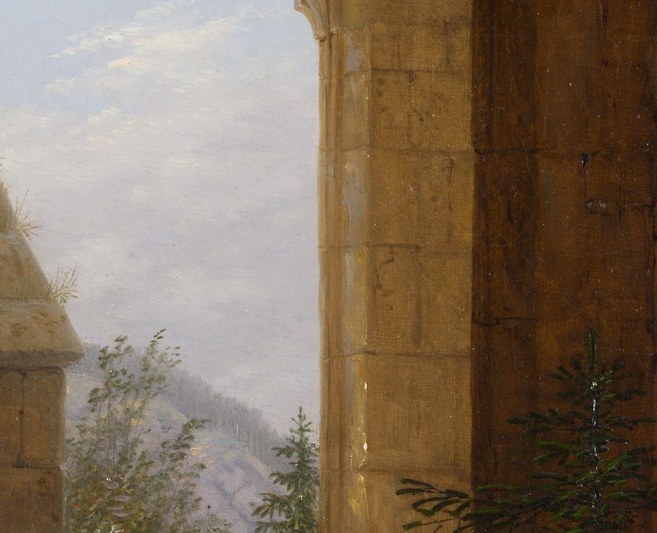
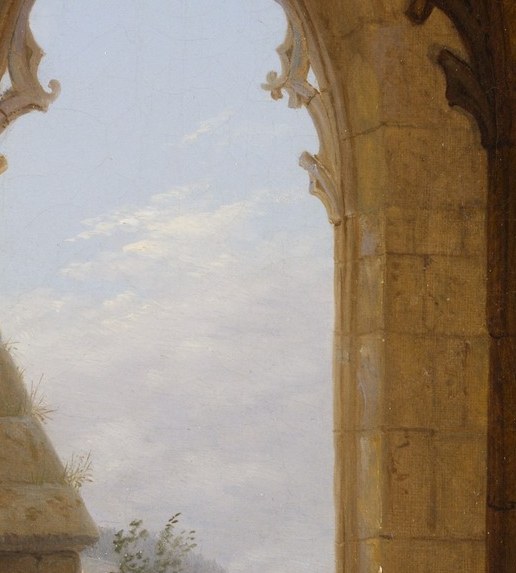
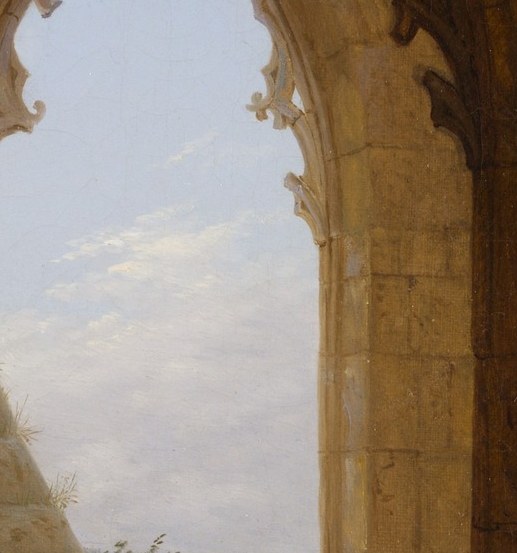
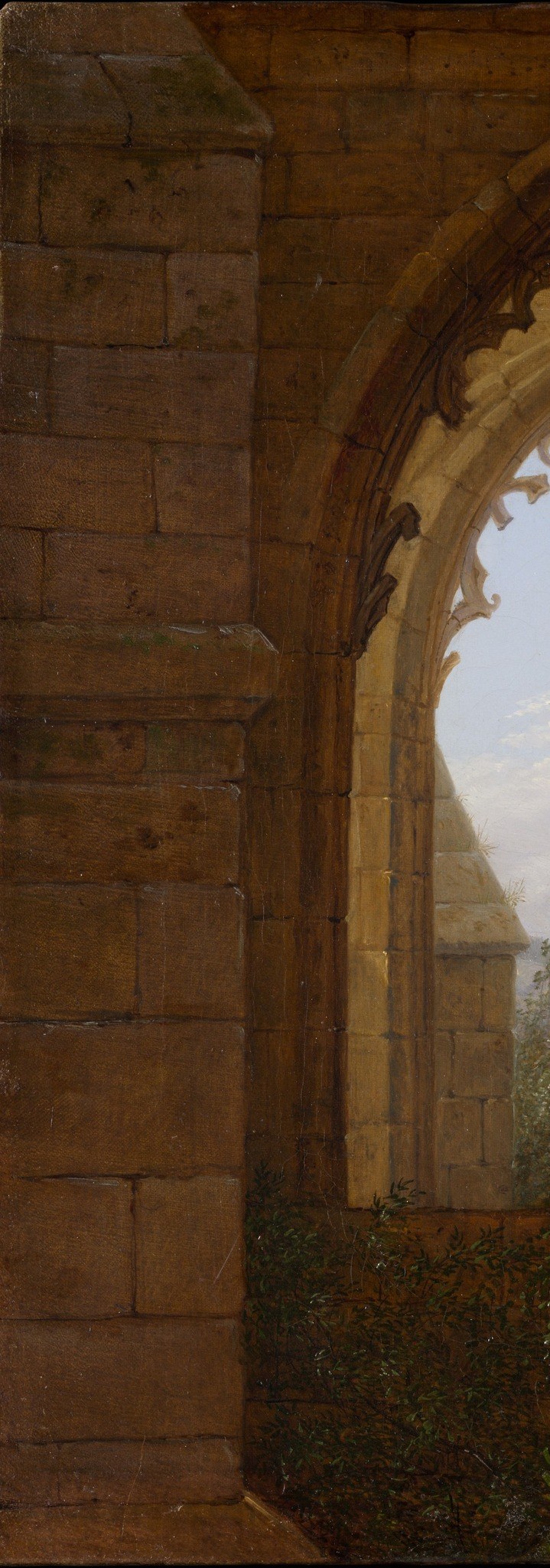
Observe how the ruined Gothic arch frames the serene, distant hills, a classic Romantic motif. The delicate rendering of light filtering through the window suggests a spiritual dimension, inviting contemplation on history and nature. Carus, who also studied under Caspar David Friedrich, masterfully captures the mood of quiet reflection.
This work reflects the Romantic movement's fascination with medieval ruins as symbols of national identity and spiritual yearning. Carus's ability to imbue architectural detail with atmospheric depth showcases his unique perspective as both a meticulous observer and an emotive artist. It’s a testament to the fact that scientific rigor and artistic expression can perfectly intertwine.
What details in the painting make you feel a sense of calm or contemplation?
Details
Transcript
This painter was also a respected physician and scientist. His name was Carl Gustav Carus, a true Renaissance man. He studied with the great Romantic landscape artist Caspar David Friedrich. Look how the window frames the distant, peaceful hills. Carus used light to evoke spiritual yearning and the sublime. A perfect blend of scientific observation and emotional depth.