Portrait of Elizabeth Charlotte of the Palatine with her Slave by François de Troy
François de Troy's 1690 work, "Portrait of Elizabeth Charlotte of the Palatine with her Slave," located at the Palace of Versailles, is more than just a display of aristocratic splendor; it subtly weaves in messages about life and status.
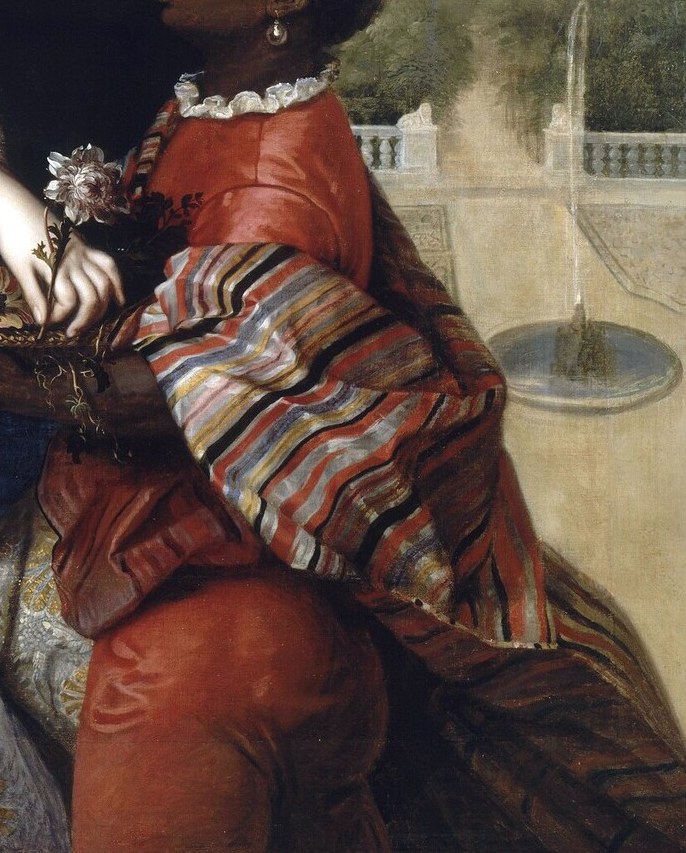
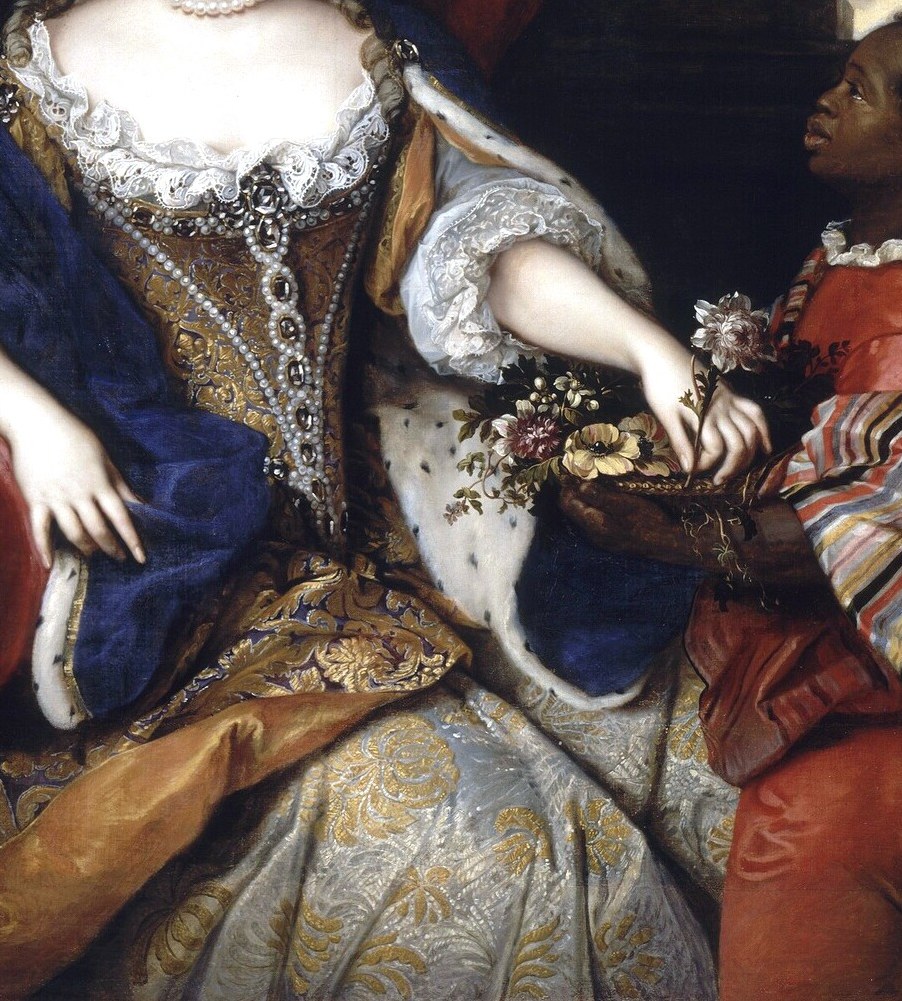
Observe the duchess's magnificent blue and gold gown, a testament to her immense wealth and position. Next to her, a young attendant, historically referred to as a "bijou," served as a symbolic, decorative fixture within elite households of the time, reinforcing social hierarchies.
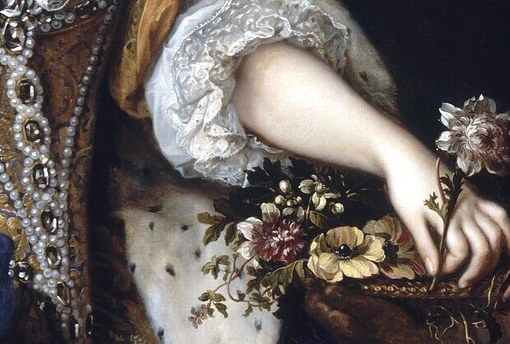
Yet, a deeper message lies within the details. The basket of flowers, with some blooms already beginning to wilt, serves as a classic memento mori. It’s a gentle reminder that even the most opulent life is subject to the passage of time. This blend of grandeur and fleeting beauty makes the portrait a fascinating historical document.
What other hidden meanings might you find in portraits from this era?
Details
Transcript
This grand portrait from 1690 shows a French duchess. Her gown alone, with its gold embroidery, proclaims her wealth. The attendant, called a 'bijou,' was a decorative presence. But look closely at the basket of flowers. These blooms, some already fading, speak of life's brevity. Even in opulence, the painting reminds us that time passes.