The Spanish Armada off the English coast by Cornelis Claesz van Wieringen
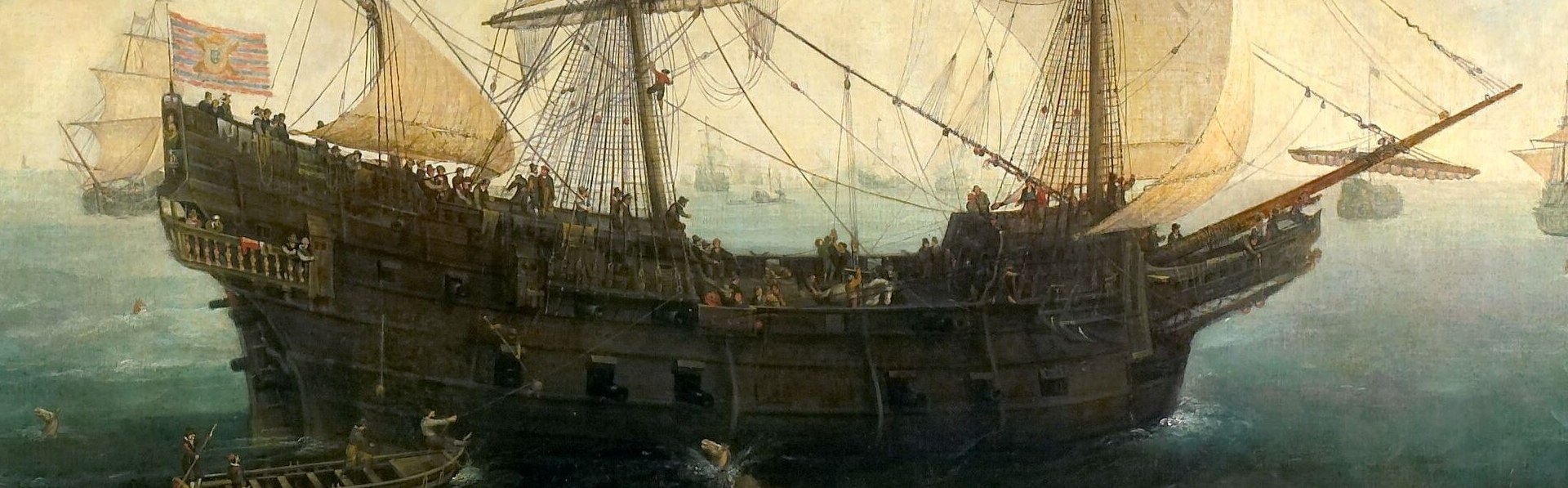
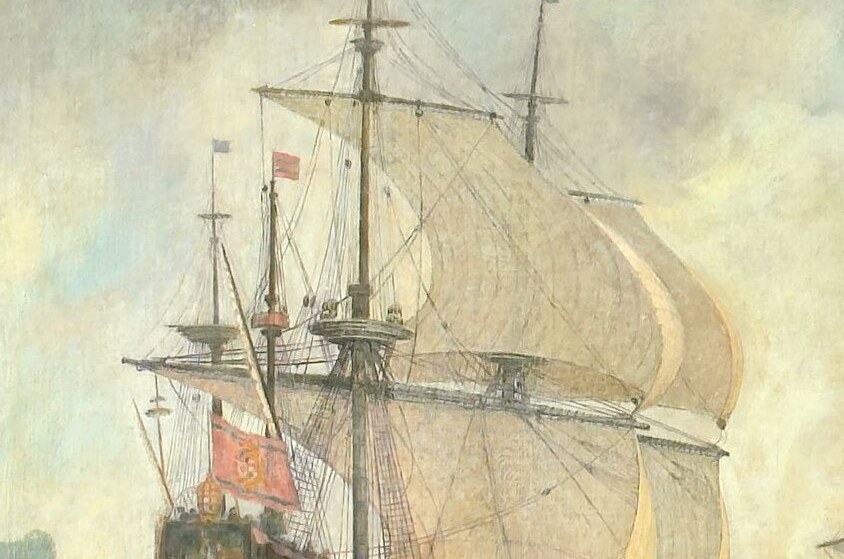
Cornelis Claesz van Wieringen's 'The Spanish Armada off the English coast,' painted in 1620, dramatically captures the infamous naval encounter of 1588. Housed at the Rijksmuseum, this oil painting offers a powerful interpretation of historical events through a master marine painter's eye.
While the painting is dominated by the vast fleet and turbulent waters, a striking detail often goes unnoticed. In the lower left, a surreal white horse's head emerges from the waves, adding a mythological dimension to the scene of historical warfare.
Van Wieringen, a Dutch artist born in Haarlem, was renowned for his dynamic marine artworks. His ability to convey the scale and power of naval engagements, combined with unexpected allegorical elements, makes his work a significant example of 17th-century maritime art. The painting is a key piece in the Rijksmuseum's collection, representing the Dutch Golden Age's rich tradition of historical and genre painting.
What do you think the artist intended with this mysterious detail?
Details

Transcript
This painting depicts the Spanish Armada, 1588. It was painted by Cornelis Claesz van Wieringen in 1620. The artist specialized in dramatic marine scenes. But look closely at the lower left of the canvas. A white horse's head emerges from the waves. A powerful, surreal detail in a historical battle scene.