Mill on Jawa by H.Th. Hesselaar
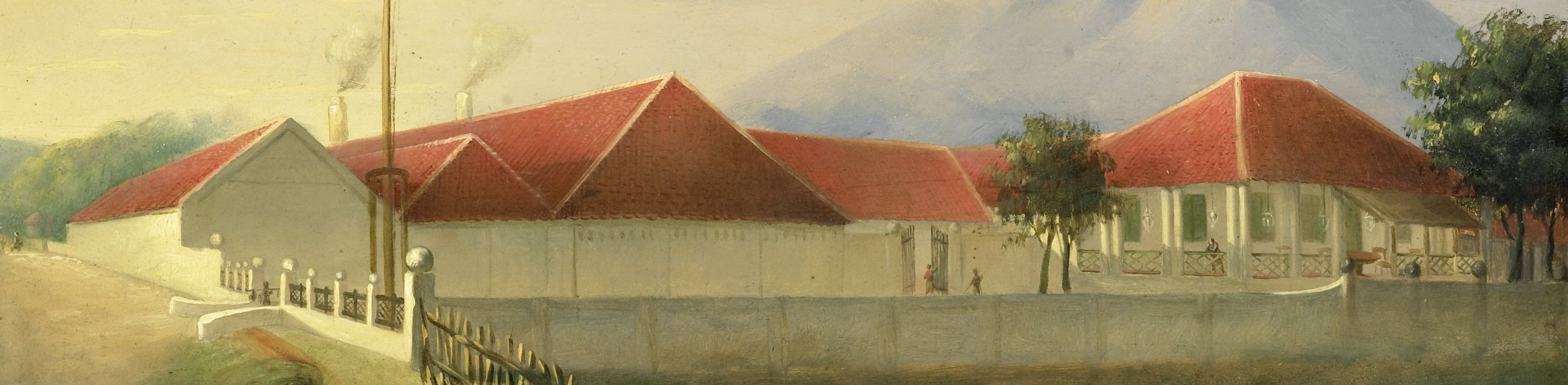
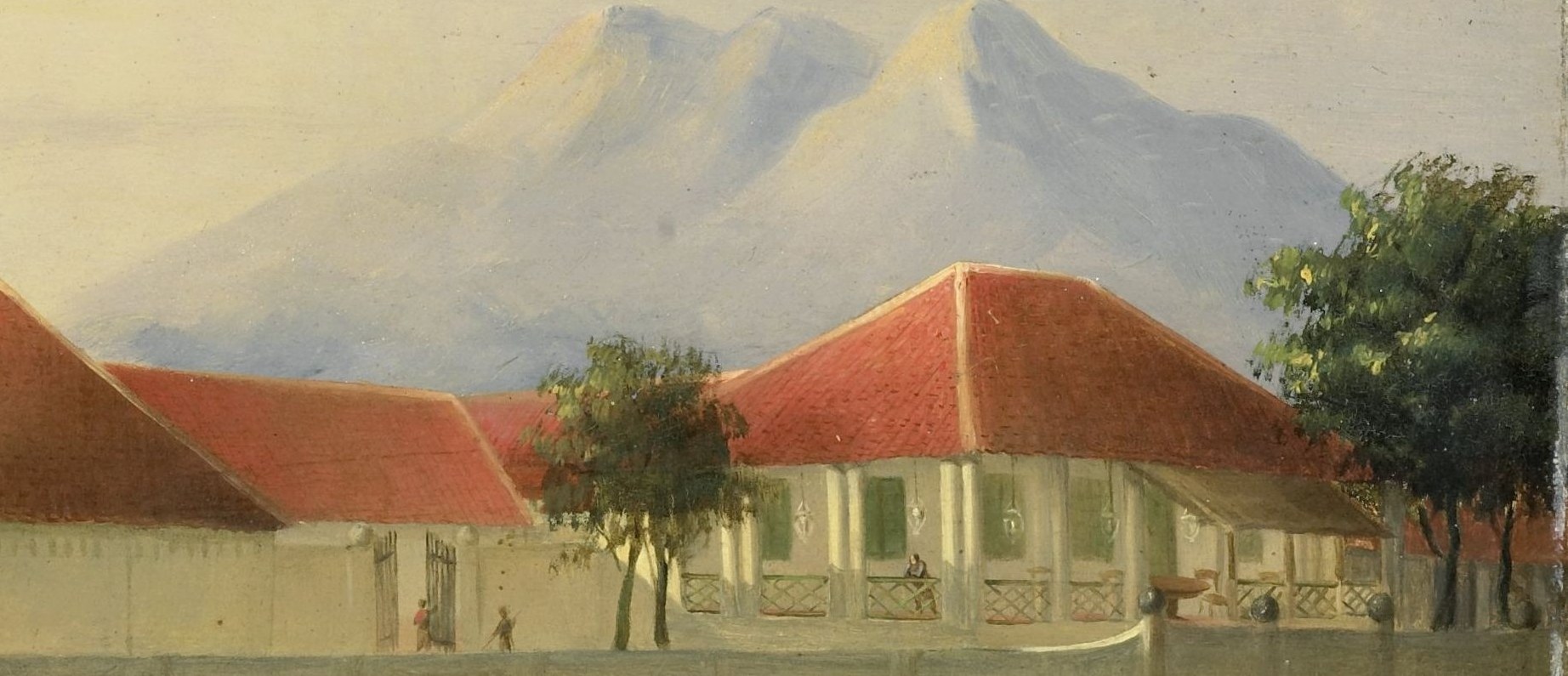
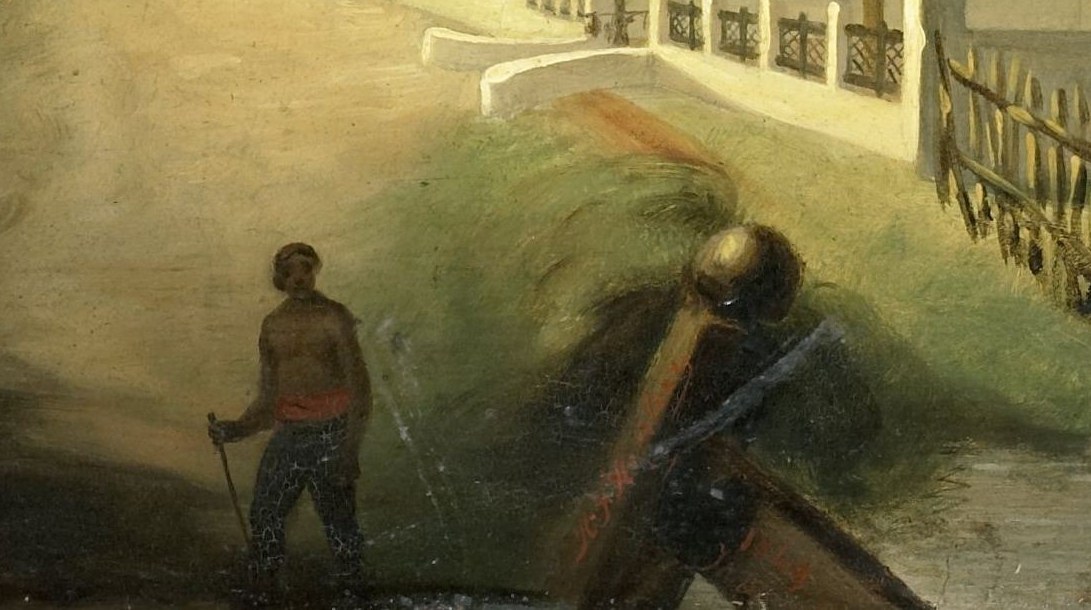
Painted in 1851 by H.Th. Hesselaar, "Mill on Jawa" at the Rijksmuseum offers a glimpse into a Dutch colonial settlement. At first glance, it's a serene landscape: red-roofed buildings line a river, small boats ferry figures, and distant mountains loom under a soft sky. However, the presence of the Dutch tricolour flag, prominently displayed, reveals its true context as a record of colonial Indonesia.
Hesselaar, who was born in Pasuruan, Indonesia, captured the daily life and architectural style of the region. The painting highlights the period's European fascination with exotic locales and colonial expansion, presenting a romanticized view of Dutch presence abroad.
The Rijksmuseum acquired this work as part of its interest in visual records from Dutch overseas territories, recognizing its significance in documenting the colonial era. It serves as a historical window into a complex past, inviting viewers to consider the narratives of trade and settlement depicted within.
What details in the painting speak most to its colonial setting?
Details
Transcript
This painting shows a tranquil river settlement in 1851. Red-tiled roofs and smoke wisps suggest daily colonial life. Yet, the most telling detail is this flag. It’s a Dutch flag, planted in what was then colonial Indonesia. The Rijksmuseum acquired it, keen on its 'overseas environment' record. The artist, H.Th. Hesselaar, was born in this region.