Man in Oriental Costume ("The Noble Slav" or "Man in a Turban") by Rembrandt
Rembrandt painted Man in Oriental Costume in 1632, the same year he moved to Amsterdam and his career exploded, he was twenty-six. The painting hangs in the Metropolitan Museum of Art, and for a long time this sitter was called The Noble Slav, a fiction built entirely from the costume Rembrandt gave him.
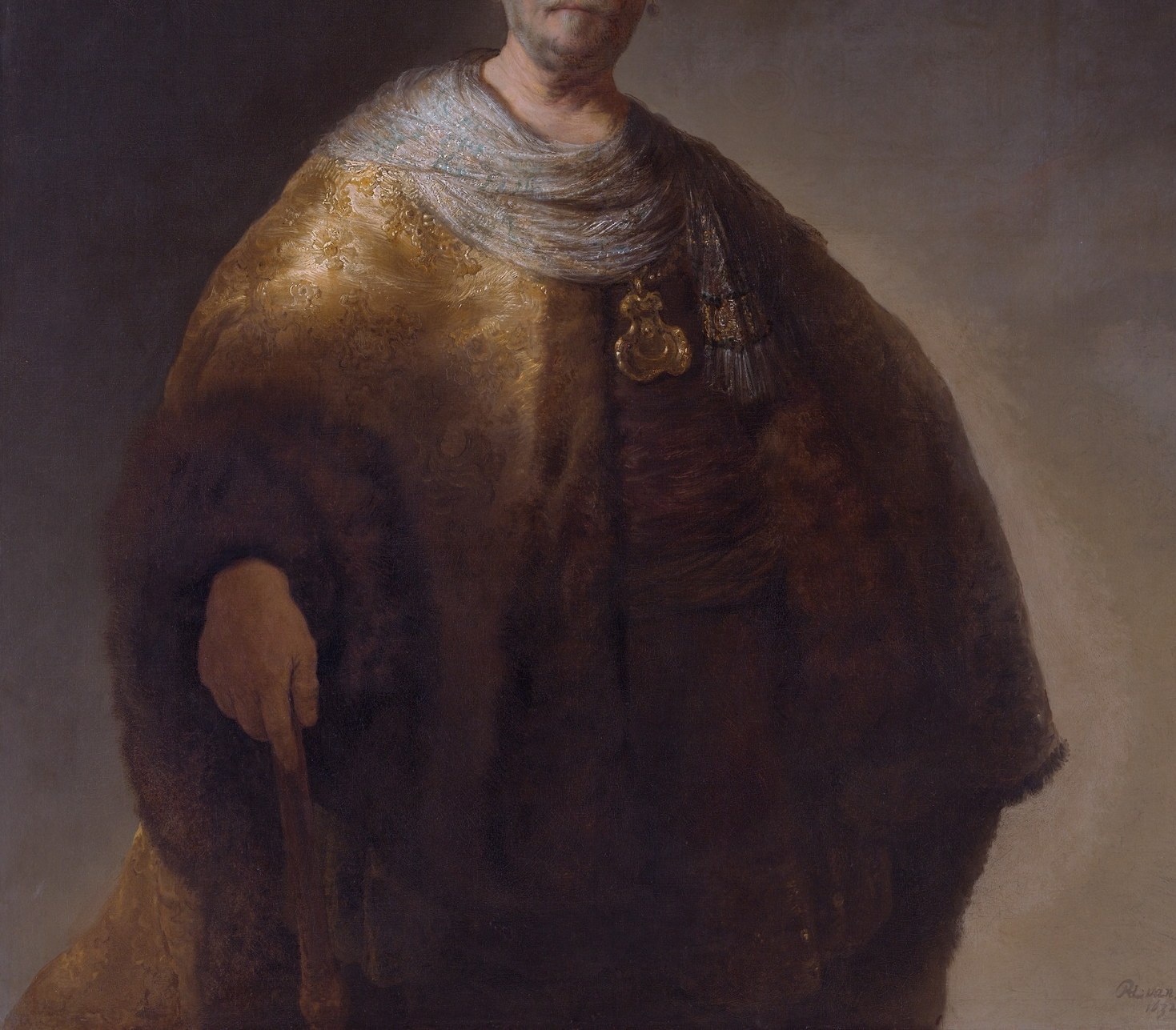
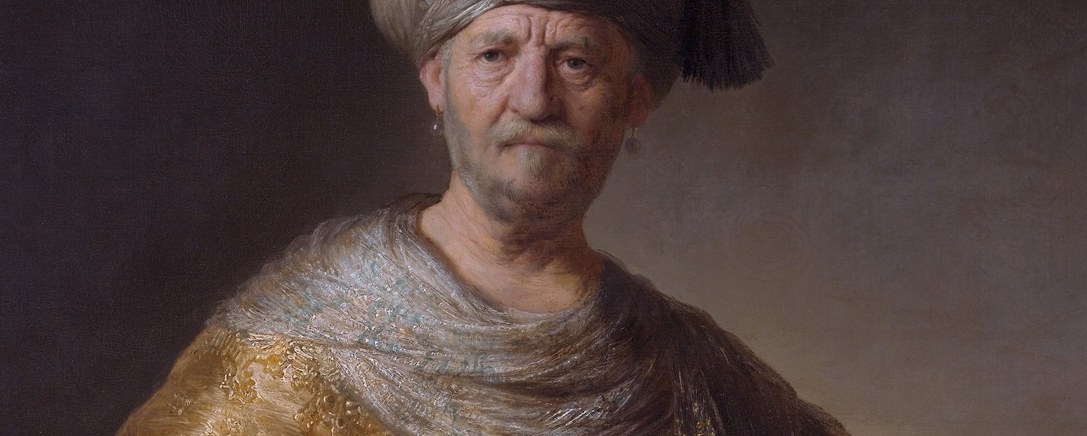
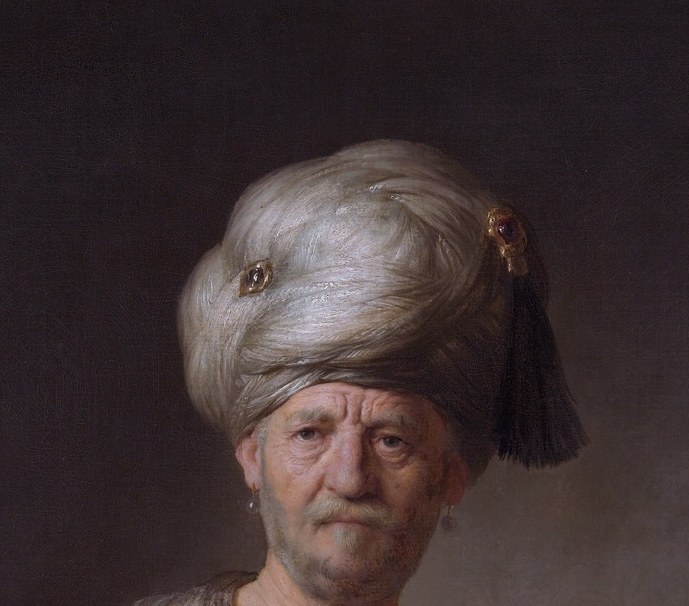
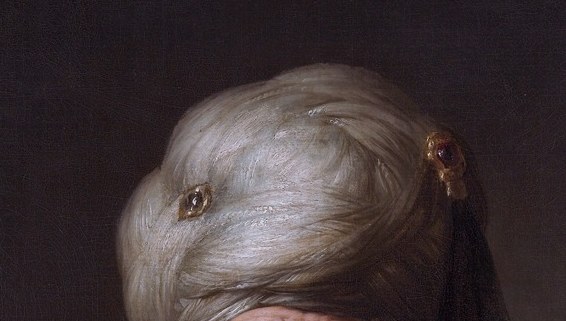
Look past the fabric. The gold brocade, the white fur, the medallion, even the turban with its small ornament at the crest, Rembrandt built all of it with paint, often laid on so thickly it physically catches the light. His real subject is texture: the stiff silk, the soft fur, the glint of metal. But every material surface in the painting is in service of a fantasy, a Dutch painter's idea of what a foreign prince would wear.
Now look at the eyes. They sit under a heavy brow with two wet catchlights, two tiny white dots Rembrandt added to bring life into the shadow. The costume is theater. The face is not. We don't know for certain who this man was, but the current scholarship suggests someone close to the household, a neighbor, a relative, maybe even Rembrandt's father, who sat for the artist many times. Someone who trusted him.
The painting captures a moment when Rembrandt had all the skill in the world and was still building worlds with it. He dressed an ordinary man in extraordinary clothes, then painted the part the clothes couldn't touch.
Details

Transcript
Amsterdam, 1632. Rembrandt is 26 and famous overnight. He paints this man in gold and silk, an imaginary Eastern prince. The fur trim is paint so thick it stands up from the canvas. But pull back, and the costume falls away from the face. Those eyes do not perform. They know something. The sitter was likely a household member, patiently dressed for the studio. A real person, wearing an imaginary life, seen by a painter who saw everything.