Marie Adélaïde de Savoie (1685–1712), Duchesse de Bourgogne by Pierre Gobert
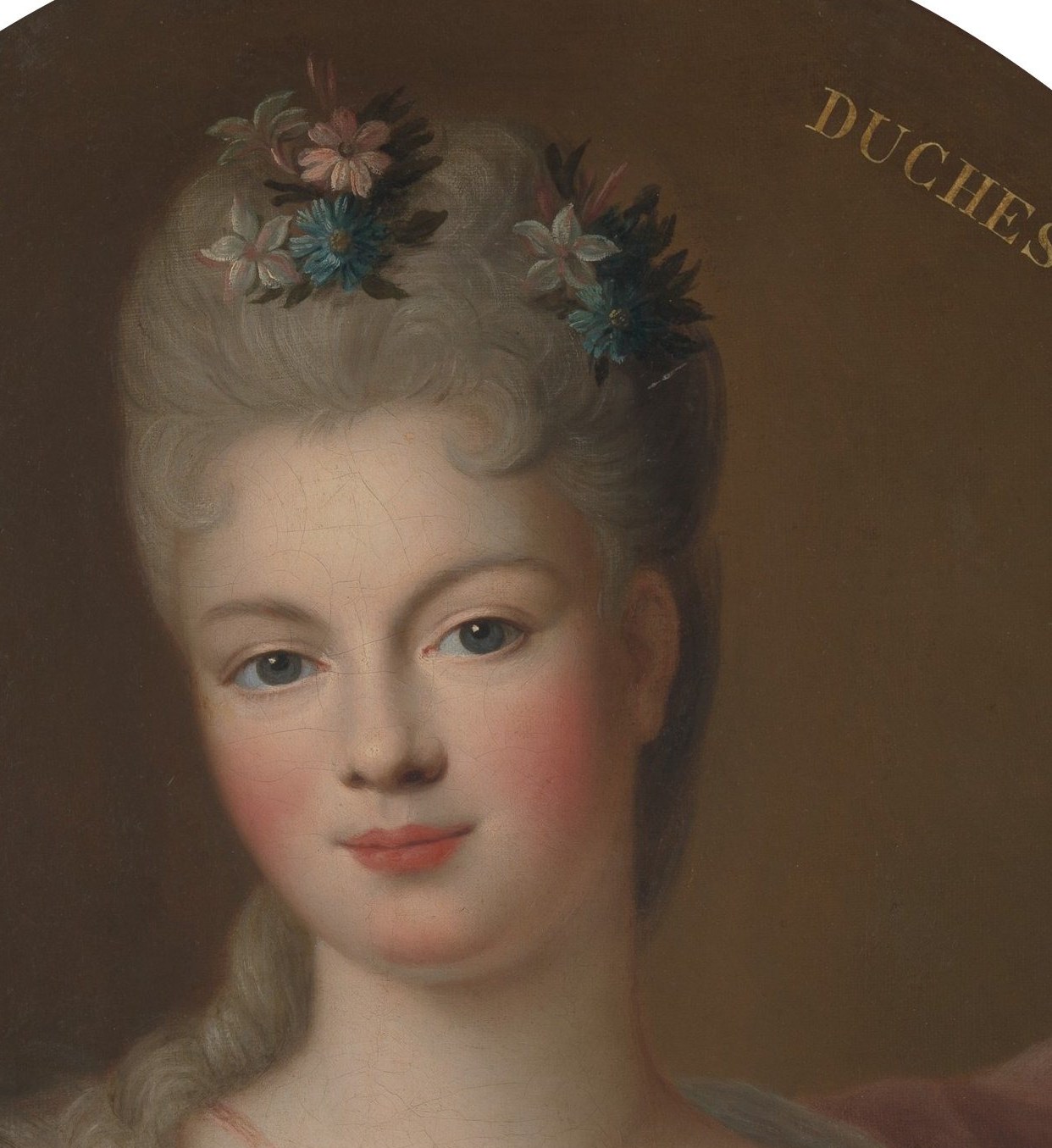
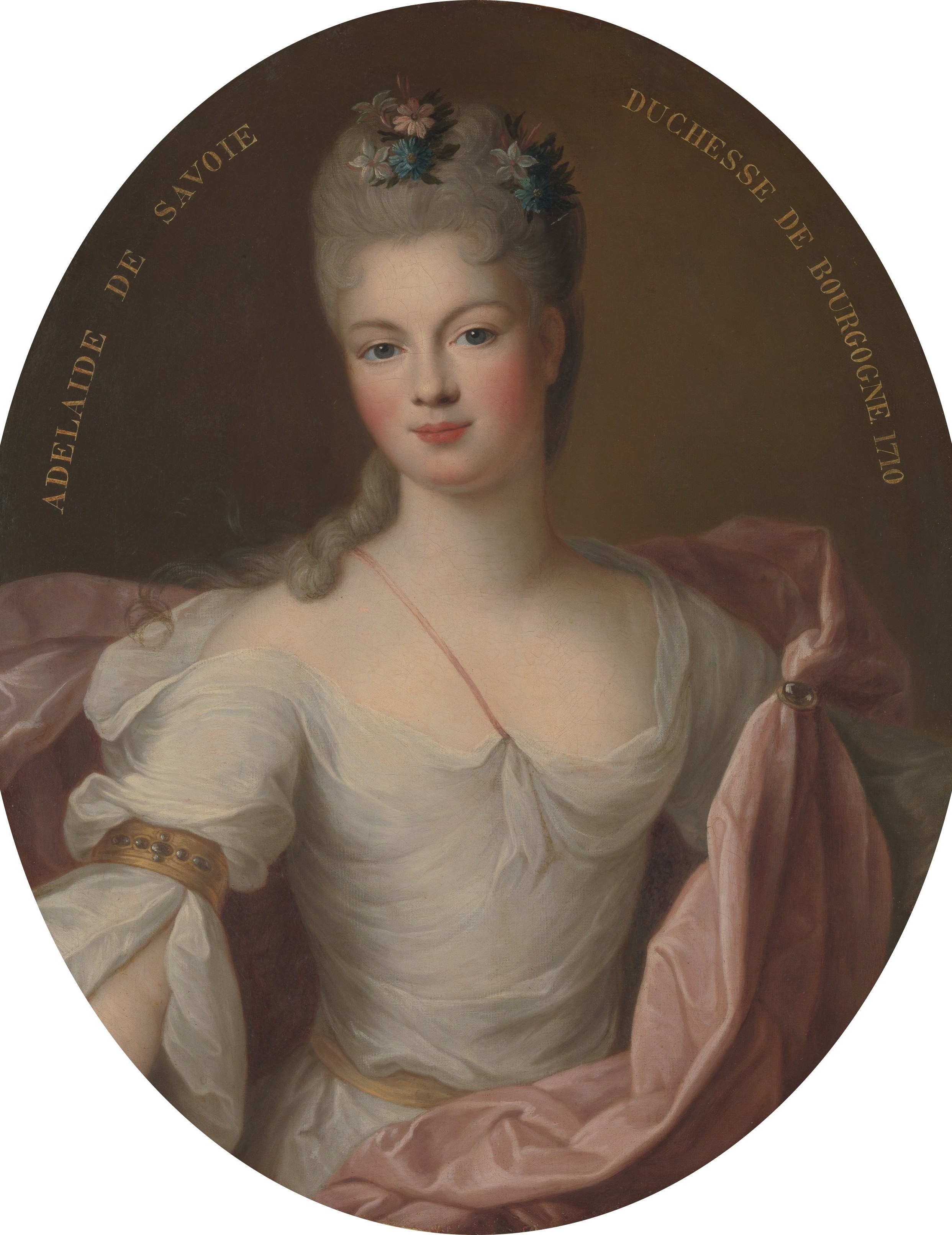
Pierre Gobert painted Marie Adélaïde de Savoie, Duchesse de Bourgogne, in 1710. She is 25 years old, dressed in the luminous silks of the French court. Two years later, she would be dead of measles, plunging the entire court at Versailles into a grief so profound it was said the Sun King himself never fully recovered.
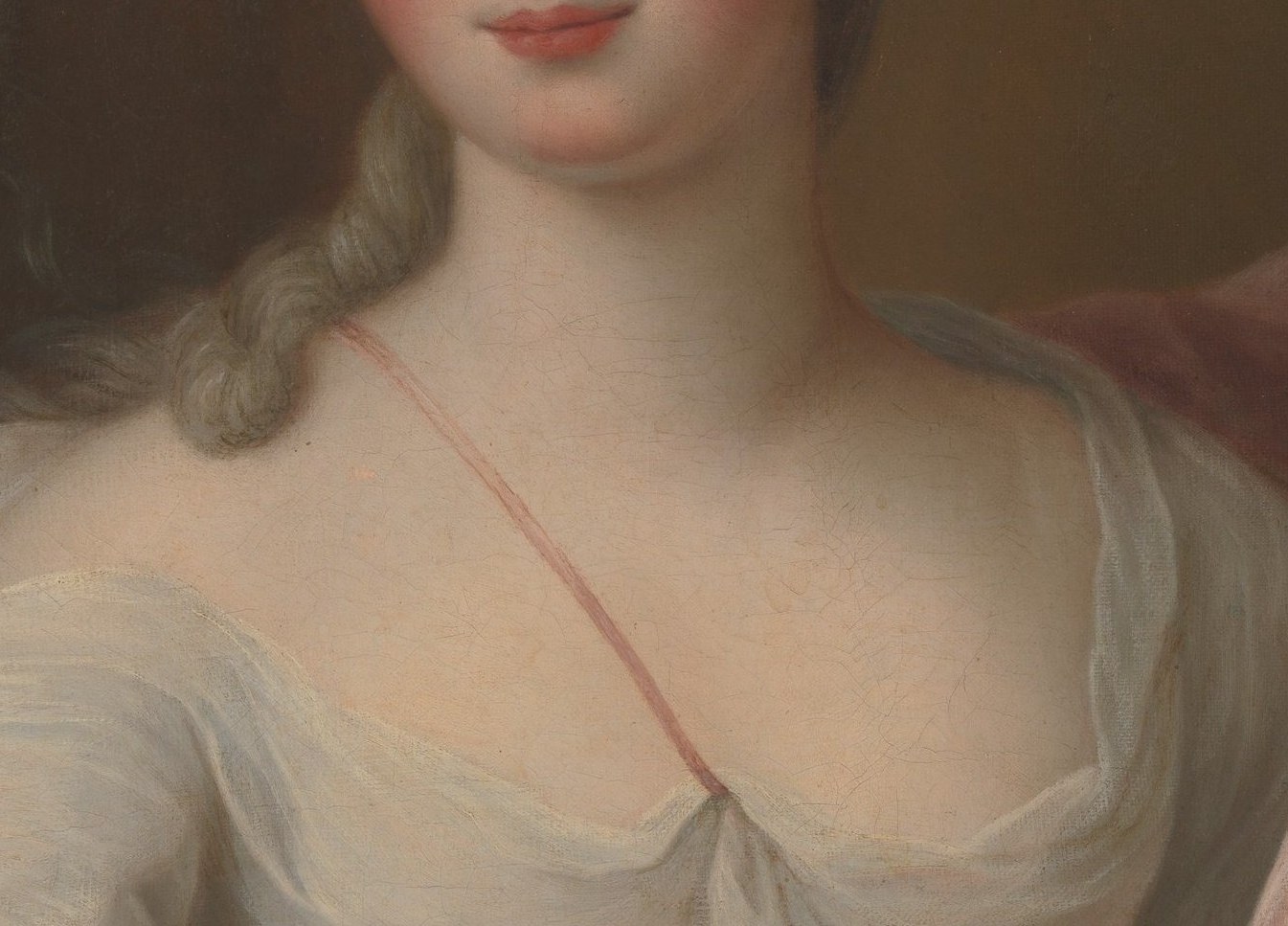
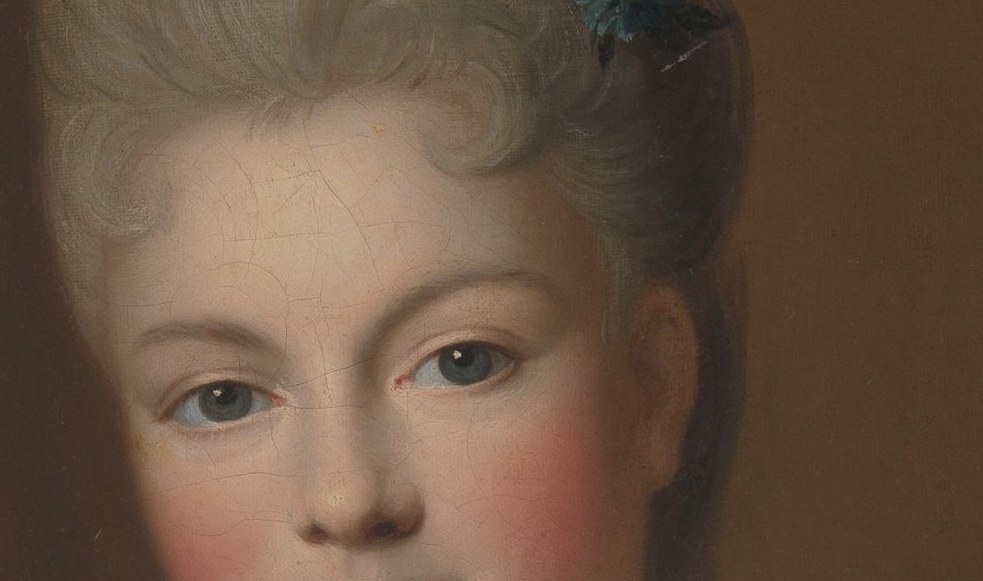
The painting lives in the detail: the slight asymmetry of her dark eyes, the way the pink satin pools around her shoulders, the translucent lace barely resting on her chest. Gobert was not the most famous painter at court, but he captured something his rivals often missed, a person looking back at you, not a rank.
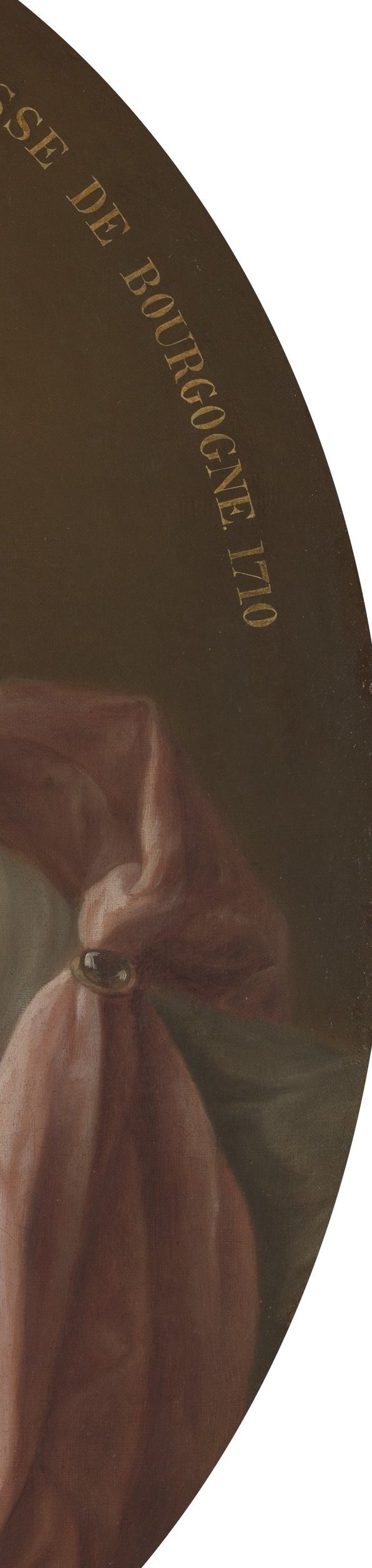
The oval inscription running along the border marks this as both a portrait and a dynastic document. It names her, titles her, and dates her. It is a record made just before the end. Now in the collection of The Metropolitan Museum of Art, the painting endures as a quiet memorial to a young woman who briefly held the most glittering court in Europe in her hands.
There is a human reflex to read tragedy backward into a face. But maybe she just looks like someone who was loved.
Details
Transcript
She was the Duchess of Burgundy. A princess of Savoy, married into the French court at twelve. By twenty-five, she was the heart of Versailles. Look at how Gobert painted her eyes. Direct, gentle, and slightly asymmetrical, alive. Now read the inscription beside her face. This was painted in 1710. Two years later, she was dead. Measles took her at twenty-six. The court collapsed into grief.